
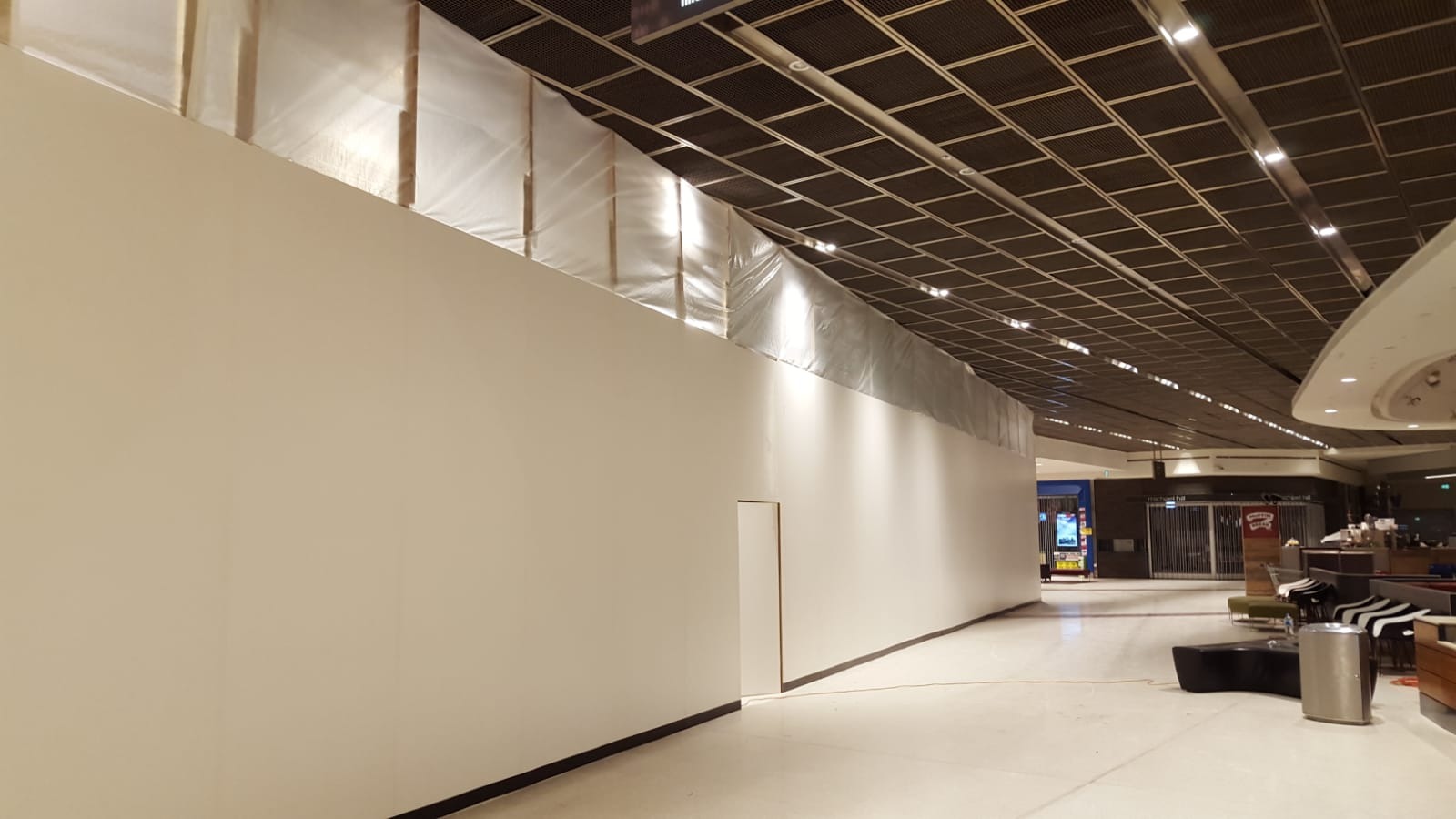
Need professional hoarding removal? Hoardings WA handles safe, compliant dismantling of construction hoarding with minimal site disruption.
Need professional hoarding removal? Hoardings WA handles safe, compliant dismantling of construction hoarding with minimal site disruption.
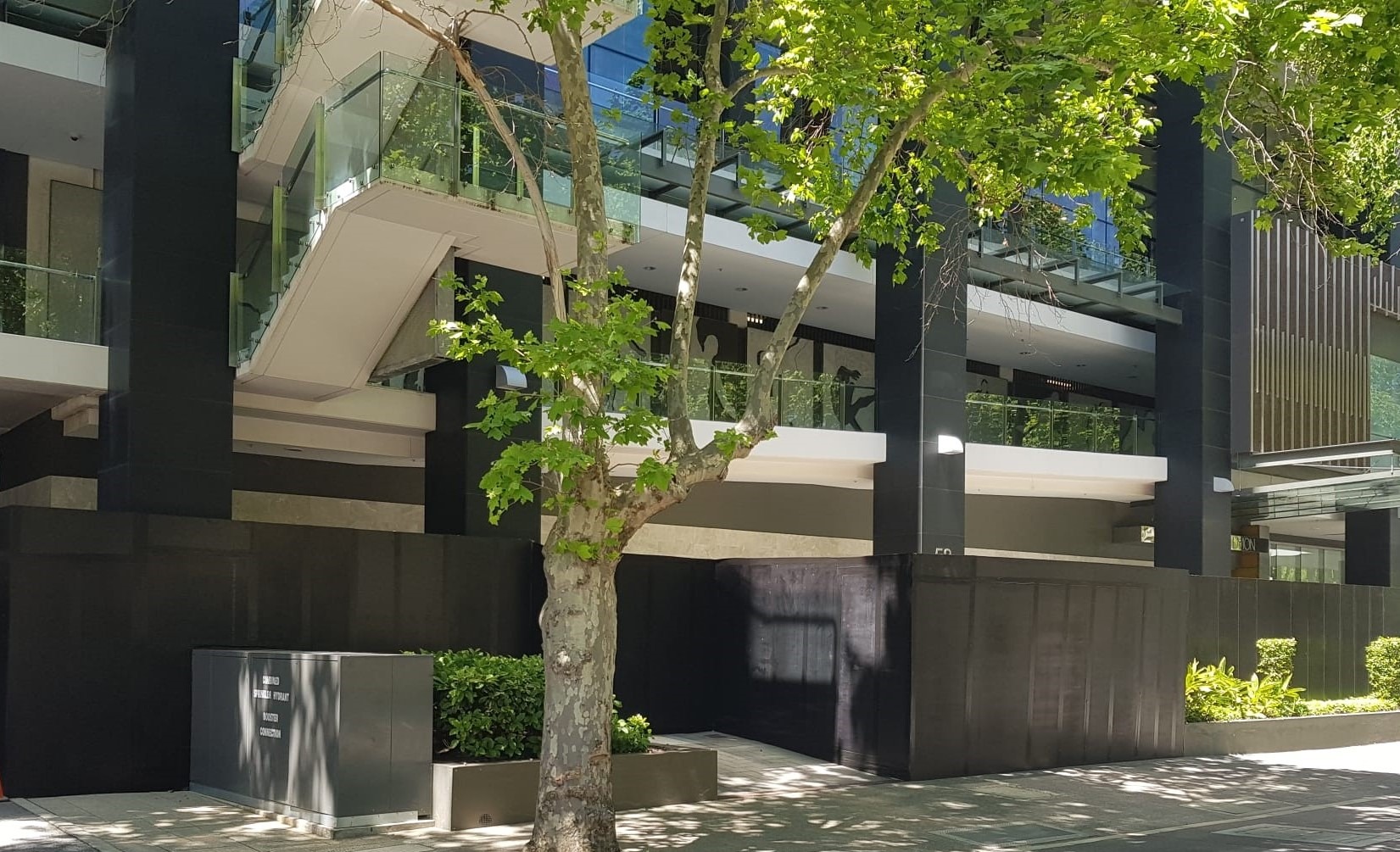
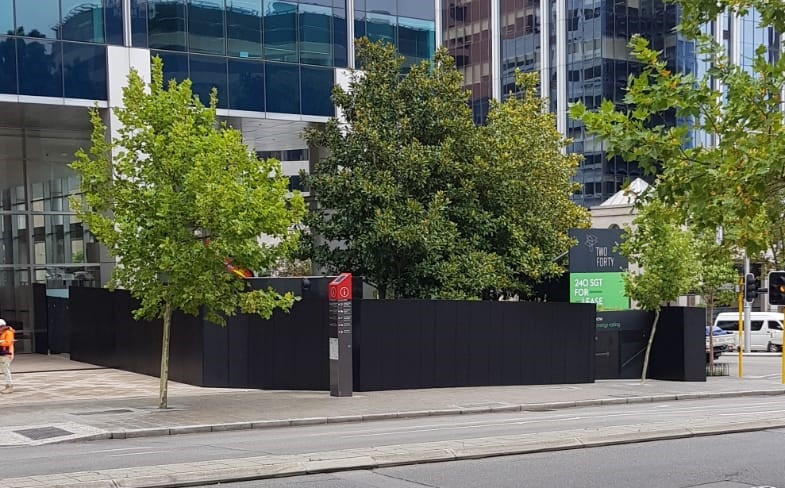
Construction hoarding safety and security is not just about ticking compliance boxes. In Perth, where construction often runs alongside live footpaths, retail strips, and mixed-use developments, hoarding systems protect both the public and the project itself. Done properly, they reduce liability, prevent theft, and create a controlled environment where work can proceed without disruption.
Hoardings WA works with builders, demolition teams, and shop owners who understand that site protection starts at the perimeter.
The first job of construction hoarding is public safety. Pedestrians should never be exposed to falling debris, loose materials, or moving plant. Solid hoarding systems create a physical barrier that shields walkways from tools, dust, and machinery hazards.
In busy Perth areas, particularly CBD and retail corridors, Class A hoardings are commonly required where works occur above or adjacent to public access. These systems provide overhead and side protection, giving pedestrians safe passage even when active works continue just metres away.
Noise and dust containment also fall under public safety. Sealed hoarding panels help reduce the spread of debris and airborne particles, which is critical when projects sit next to offices, cafés, or neighbouring retail stores.
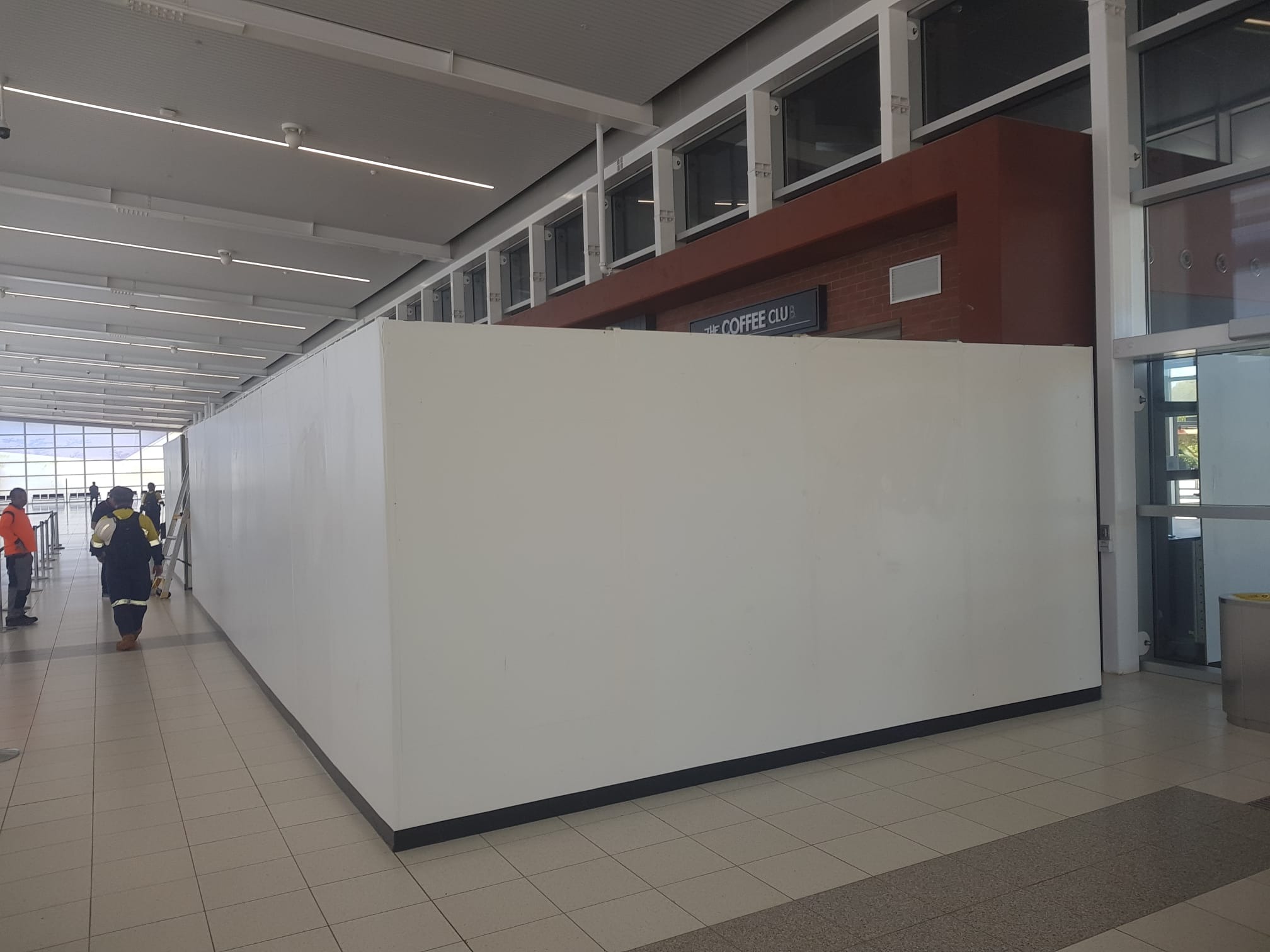
Construction hoarding safety and security also protects the site itself. Unsecured worksites invite theft, vandalism, and unauthorised entry. Solid construction hoarding creates a defined perimeter that limits visibility and reduces temptation.
Temporary fencing can mark a boundary during early stages, but it offers limited resistance against intrusion. As projects scale or materials increase in value, most Perth builders upgrade to solid hoarding systems to strengthen perimeter control.
Security is not only about preventing external threats. It also protects the builder from liability claims linked to trespass injuries or after-hours incidents.

Hoarding systems under two metres high require additional thought. Lower panels can be easier to scale, particularly in public-facing environments.
Anti-climb measures such as roller barriers or rotating top extensions discourage attempts to gain access without creating an aggressive or hostile appearance. These solutions are particularly useful in retail or community-facing projects where aesthetics matter.
For non-aggressive hoarding designs, anti-climb features maintain security without making the site look like a fortress. This balance is important in Perth suburban centres and heritage-sensitive areas.

Not all projects require the same protection level. Class A hoardings are typically used where public access runs directly beside or beneath active construction. These systems provide higher impact resistance and enhanced structural stability.
Class B hoardings suit lower-risk areas where public access is controlled or partially redirected. They still provide strong separation but may not require the same overhead protection.
Choosing the correct class reduces over-engineering costs while ensuring compliance. Builders who select the wrong system often face upgrades after inspections, which slows progress.
Demolition sites demand robust construction hoarding due to unpredictable debris and structural removal risks. Strong perimeter protection prevents materials from reaching public areas and protects adjacent properties.
Utility works, such as underground services or road-side upgrades, rely on hoarding to separate heavy equipment from pedestrian paths. In these cases, temporary fencing may start the job, but solid hoarding often follows once machinery activity increases.
Maintenance projects within shopping centres or commercial buildings frequently use controlled shopfront-style hoarding to isolate work zones while allowing business operations to continue.
Sensitive and heritage-listed sites require particular care. Hoarding must protect both the structure and the surrounding public while respecting aesthetic constraints. Clean panel finishes and stable framing are essential in these environments.
Many Perth builders choose hoardings to rent instead of purchasing outright. Rental systems allow upgrades between Class B and Class A hoardings as risk levels shift during the build.
Long-term projects benefit from ongoing inspections, maintenance adjustments, and modifications as the site evolves. Renting ensures that construction hoarding safety and security standards remain consistent from start to finish.
Perth’s mix of coastal winds, tight retail strips, and active public spaces means perimeter protection cannot be an afterthought. Strong construction hoarding safety and security planning prevents costly shutdowns, protects brand reputation, and keeps regulators satisfied.
The safest projects are usually the ones where the boundary is treated as part of the build, not separate from it.
It protects pedestrians from hazards while preventing unauthorised access, theft, and vandalism on site.
They are typically required when construction activity occurs directly beside or above public access areas.
Temporary fencing works for early-stage or low-risk projects but offers limited protection against intrusion and debris.
Roller barriers and rotating top extensions discourage climbing on lower, non-aggressive hoarding systems.
Yes. Rental systems allow flexibility, compliance upgrades, and maintenance support throughout the project lifecycle.
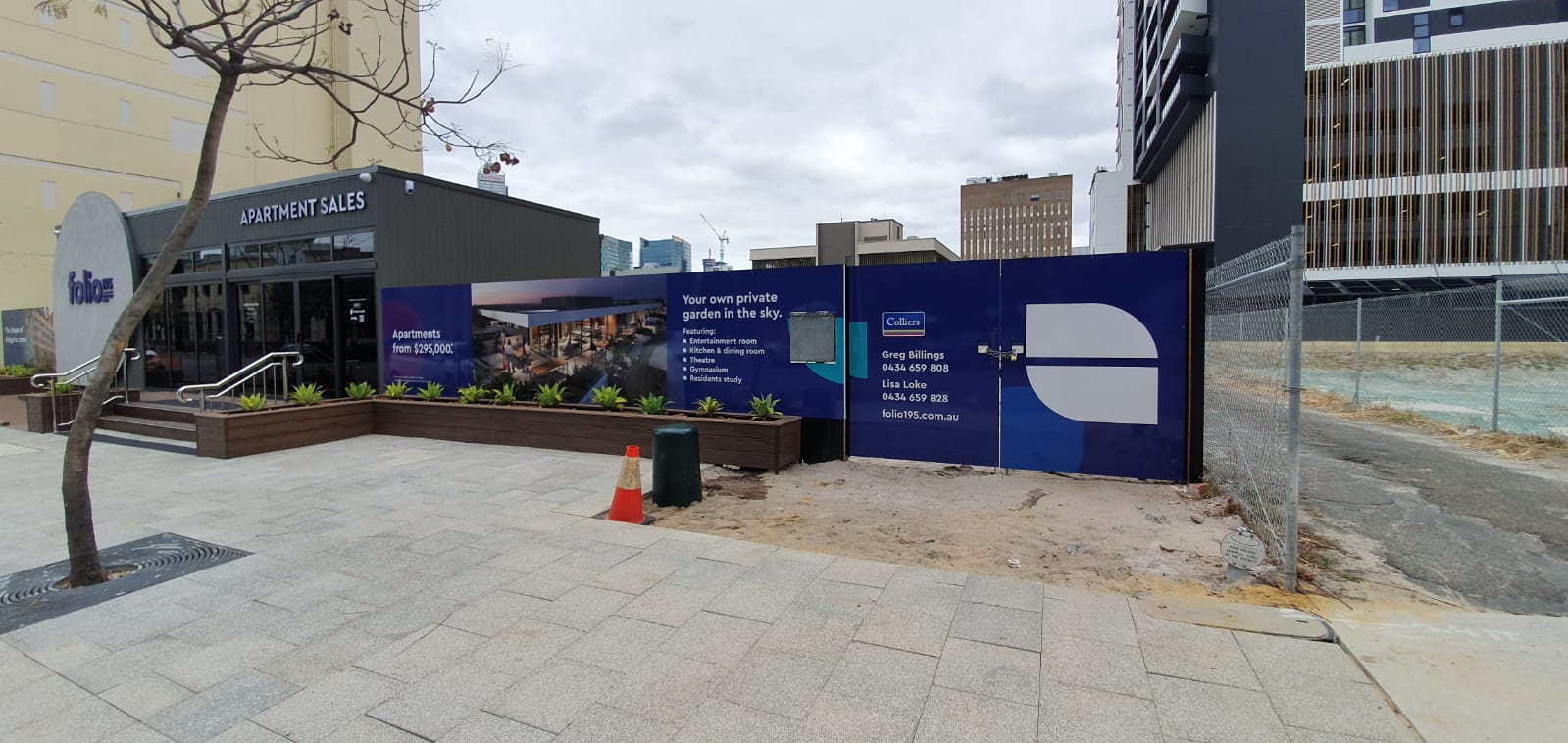
Learn the safety precautions provided by hoarding systems on Perth sites. Hoardings WA covers compliance, access control, and risk reduction.
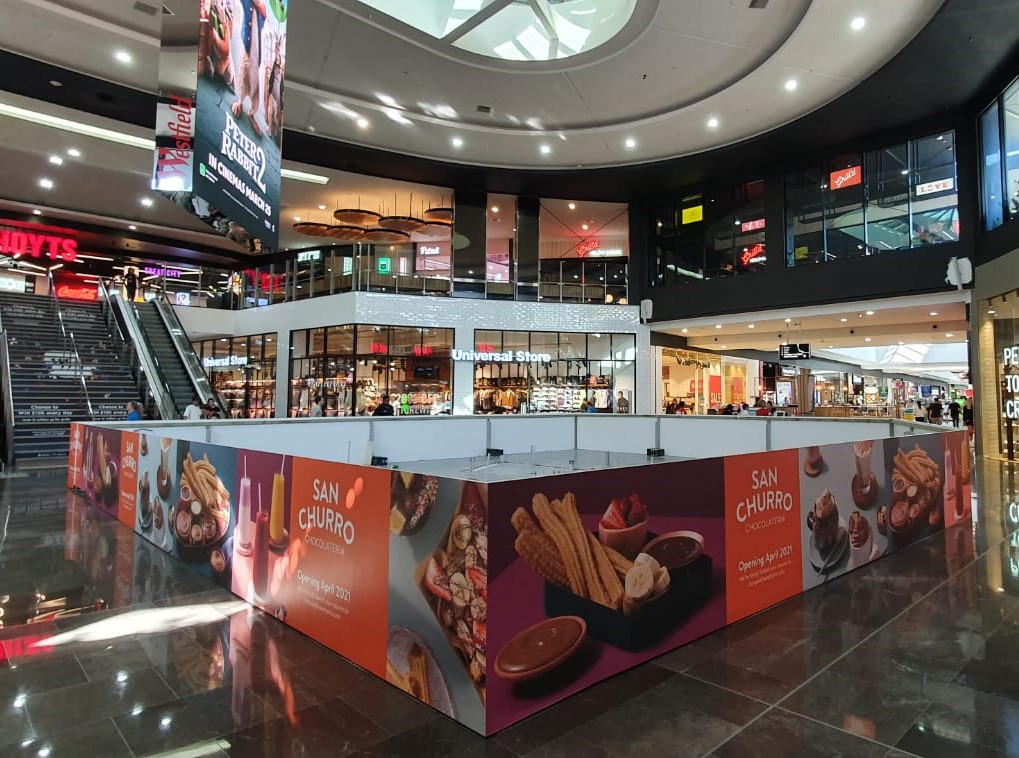
What is shopfront hoarding? Hoardings WA explains how it protects retail and construction sites, manages safety, and supports compliance in Perth.




© 2026 Hoardings WA. Terms and conditions
Recent Comments