
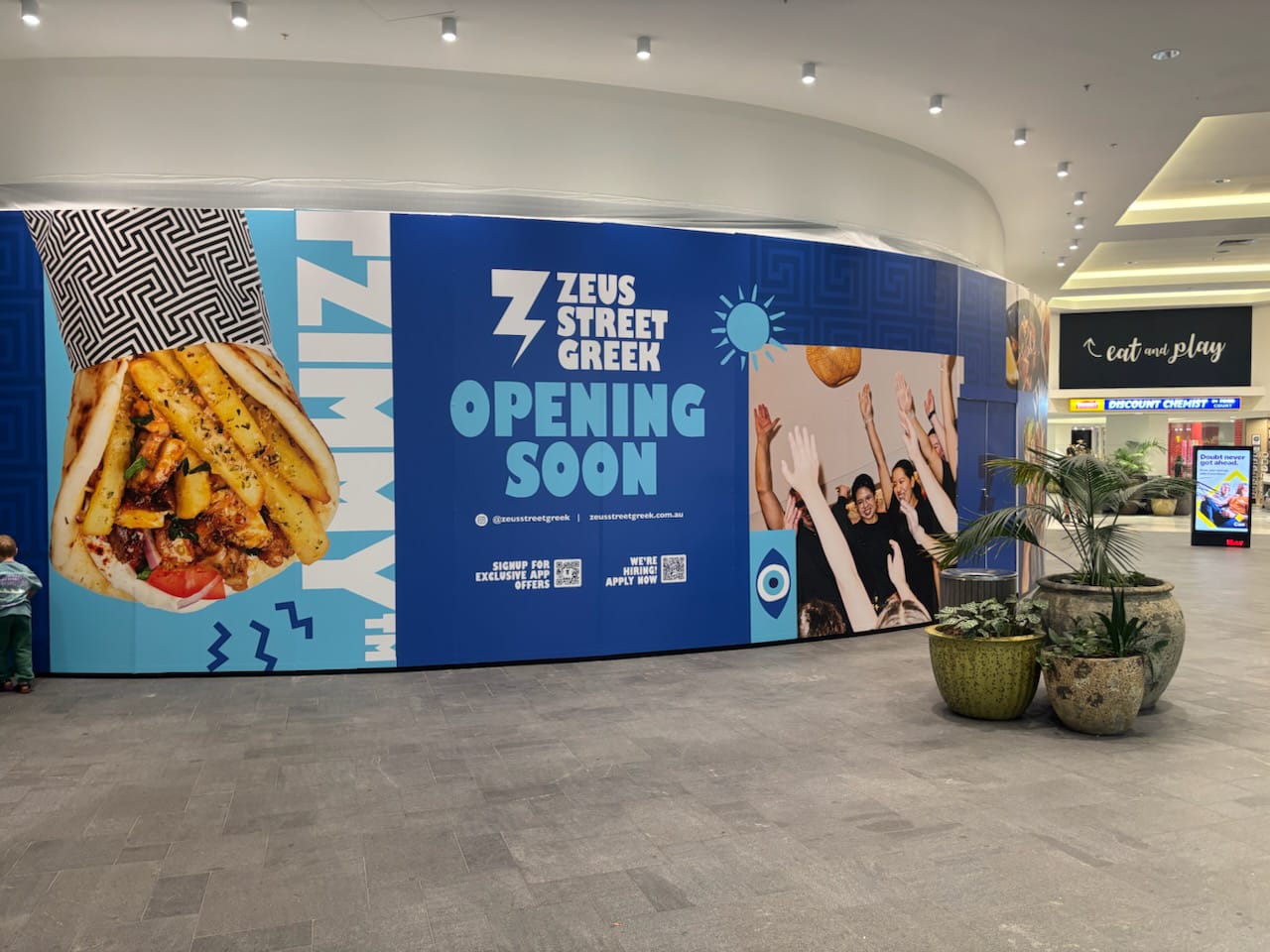
A hoarding system for high-traffic environments is not just about separating people from works. In Perth, it is about controlling movement, managing risk, and keeping projects running without complaints, fines, or shutdowns. Builders working near footpaths, shopping centres, transport hubs, or active retail strips quickly learn that standard solutions fail when pedestrian numbers climb.
Hoardings WA installs hoarding systems across Perth locations where public exposure is constant and tolerance for mistakes is low. This guide explains how hoardings function in busy environments, what standards apply, and how different systems perform when pressure is high.
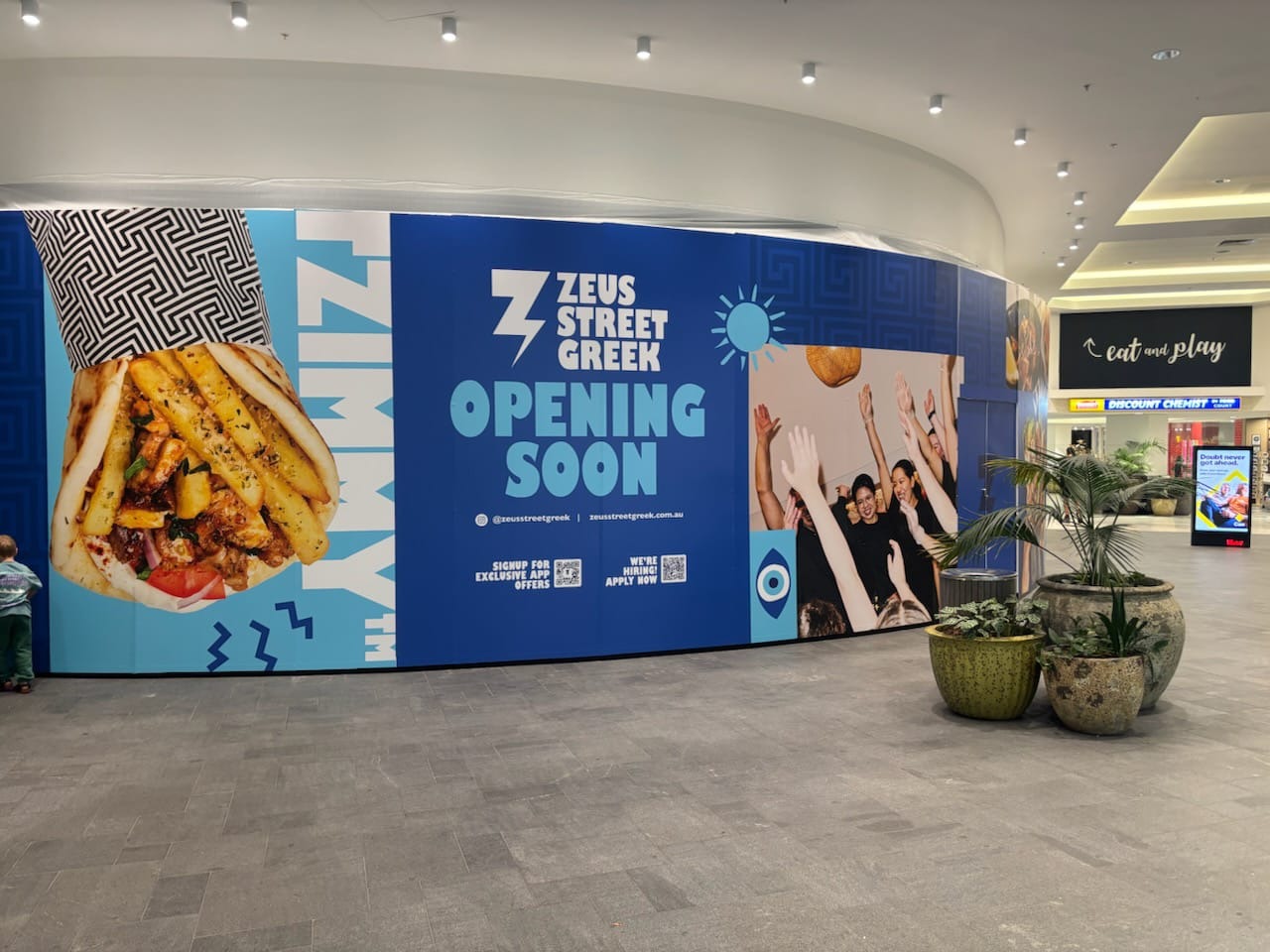
Why High-Traffic Sites Change How Hoardings Are Designed
High-traffic environments introduce unpredictable behaviour. Pedestrians stop, lean, push, photograph, and sometimes try to access restricted zones. Vehicles queue. Deliveries arrive at the wrong time. A hoarding system in these conditions must be rigid, tamper-resistant, and visually clear.
In Perth CBD and major suburban centres, councils expect hoardings to guide foot traffic safely without creating bottlenecks. Poor layouts often trigger redesigns after installation, which costs time and money.
How a Hoarding System Controls Pedestrian Flow
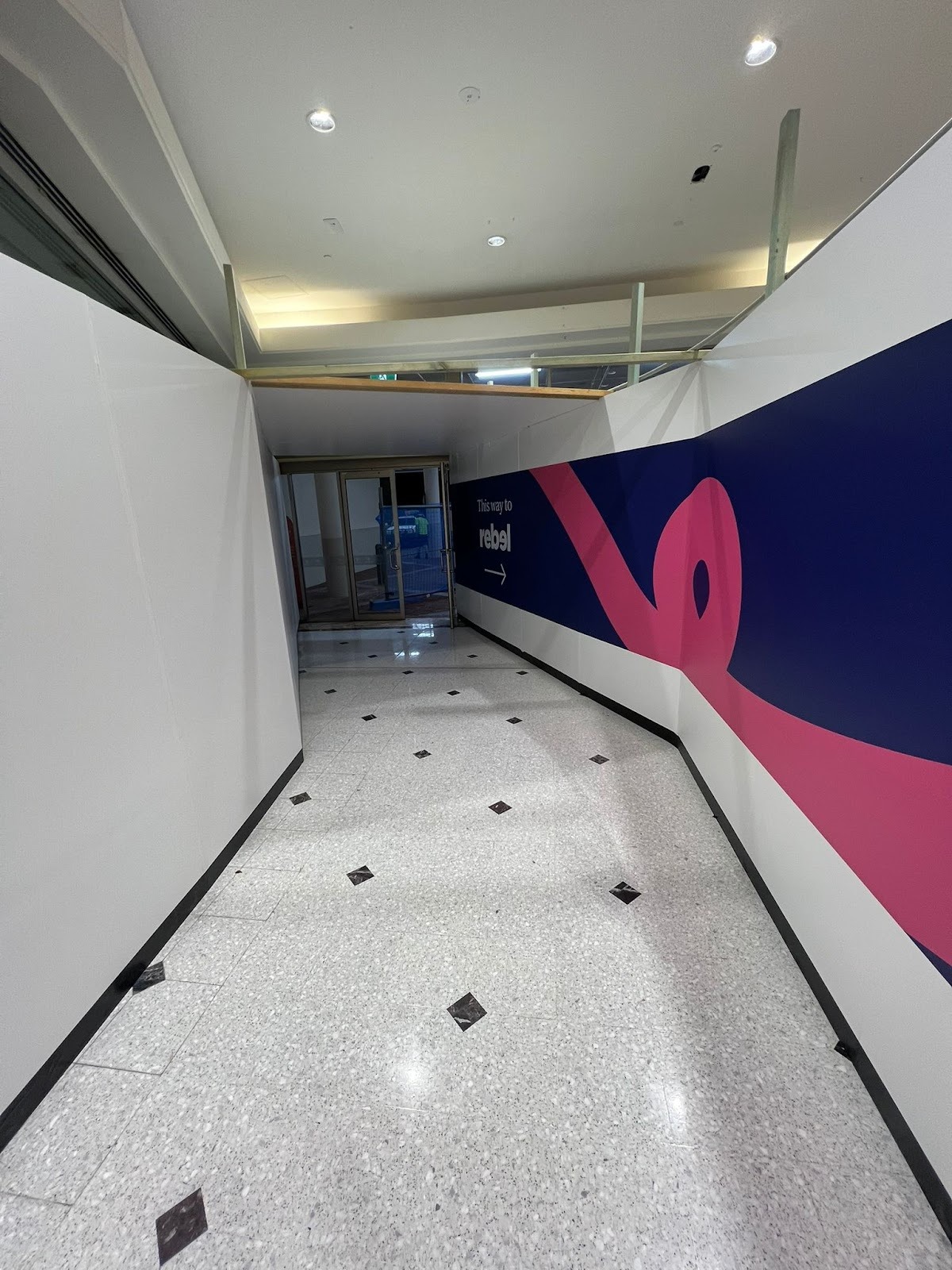
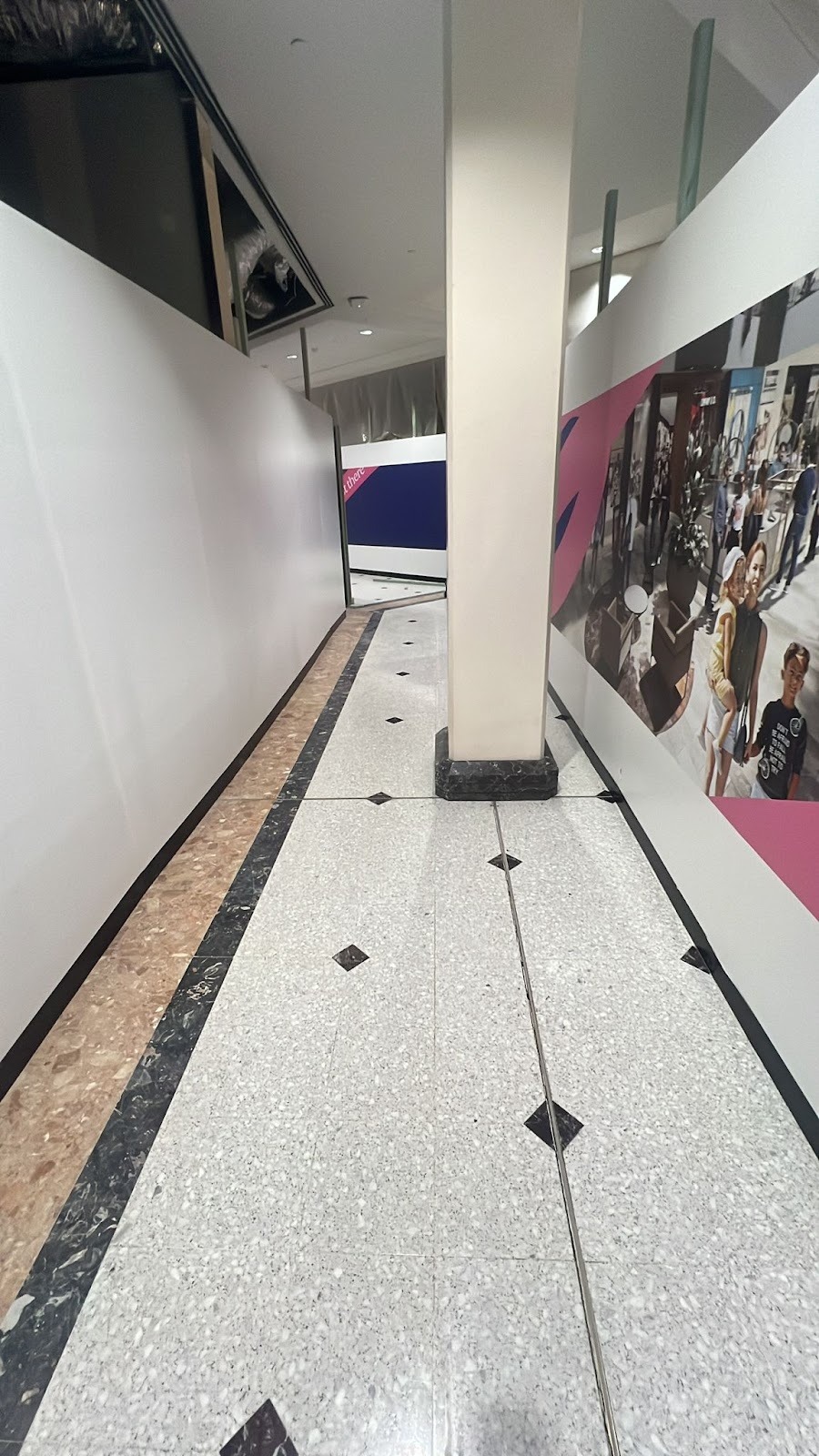
A well-designed hoarding system does more than block access. It directs people where they should walk and removes confusion around site boundaries. Straight runs, clear corners, and consistent panel heights all contribute to safer pedestrian movement.
In high-traffic zones, hoardings often include sightline management so people can see where paths continue. This reduces sudden stops and crowding, which is a common issue around shopfront refurbishments and street-level construction.
Temporary Fencing in Busy Public Areas
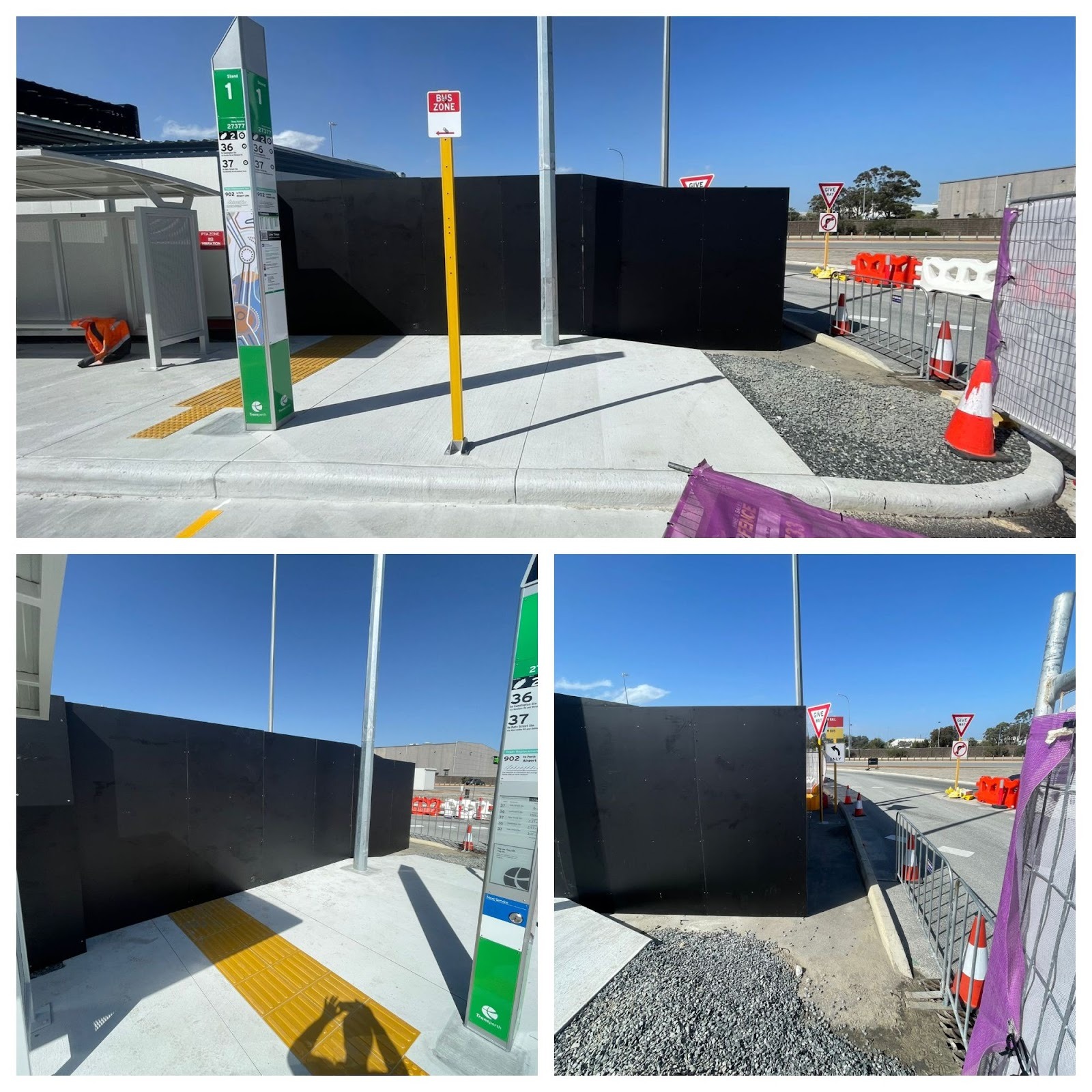
Temporary fencing still appears on some high-traffic sites, usually during early works. In practice, it performs poorly once pedestrian volumes increase. Mesh fencing invites interaction, offers no dust control, and provides limited protection from falling objects.
Most Perth builders transition away from temporary fencing as soon as public interfaces increase. Solid hoarding systems offer better separation and reduce the likelihood of interference from passers-by.
Wind Loading Certified Hoardings in Exposed Locations
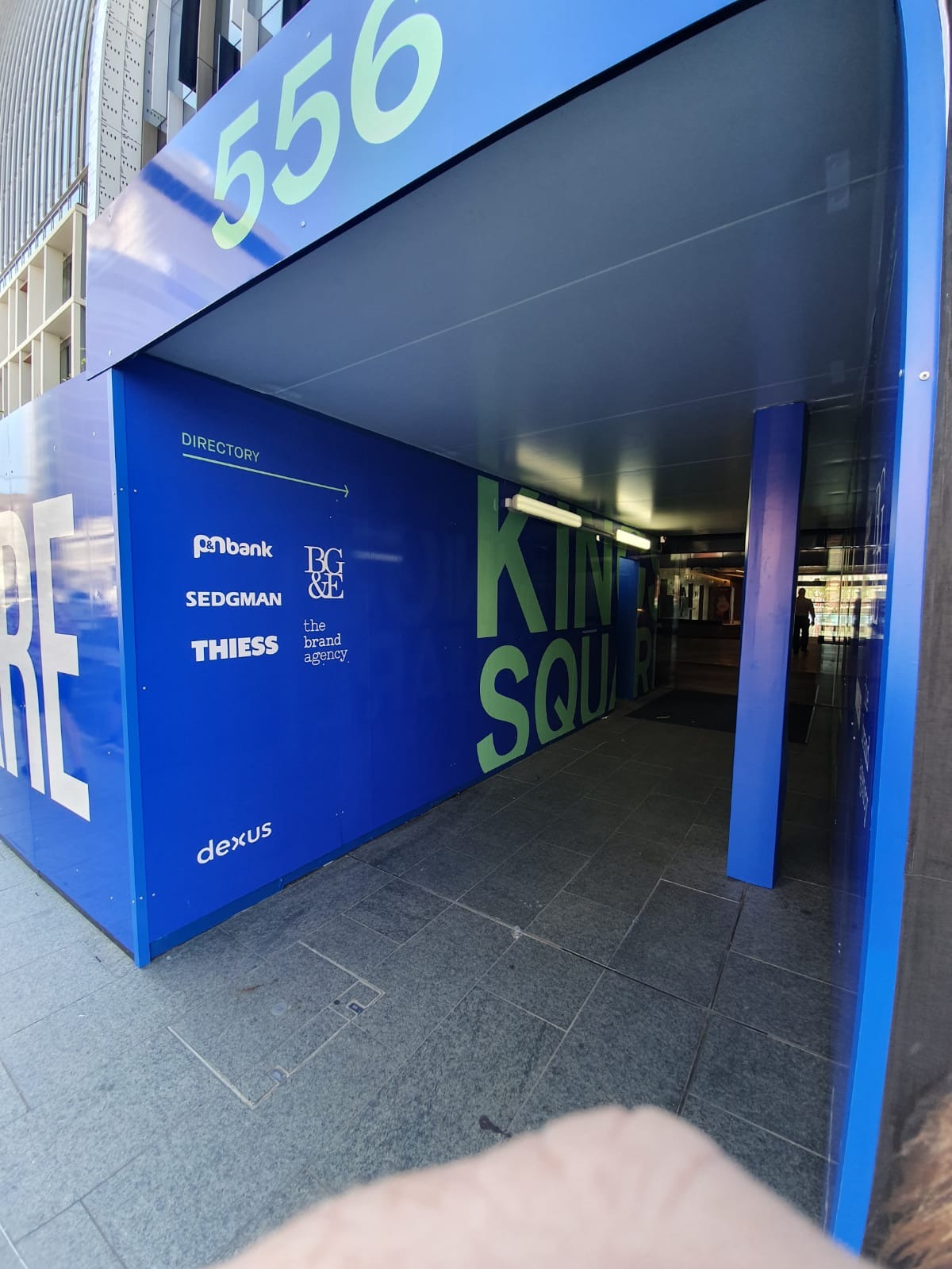
High-traffic environments are often exposed environments. Open streets, intersections, and transport corridors amplify wind loads, particularly around taller buildings. Wind loading certified hoardings are engineered to resist these forces without shifting or lifting.
Perth’s coastal winds make certification essential rather than optional. Panels must be anchored, braced, and installed according to site-specific conditions. Councils and engineers look closely at wind performance on busy streets because failure puts the public directly at risk.
Class A Hoardings for Maximum Public Protection
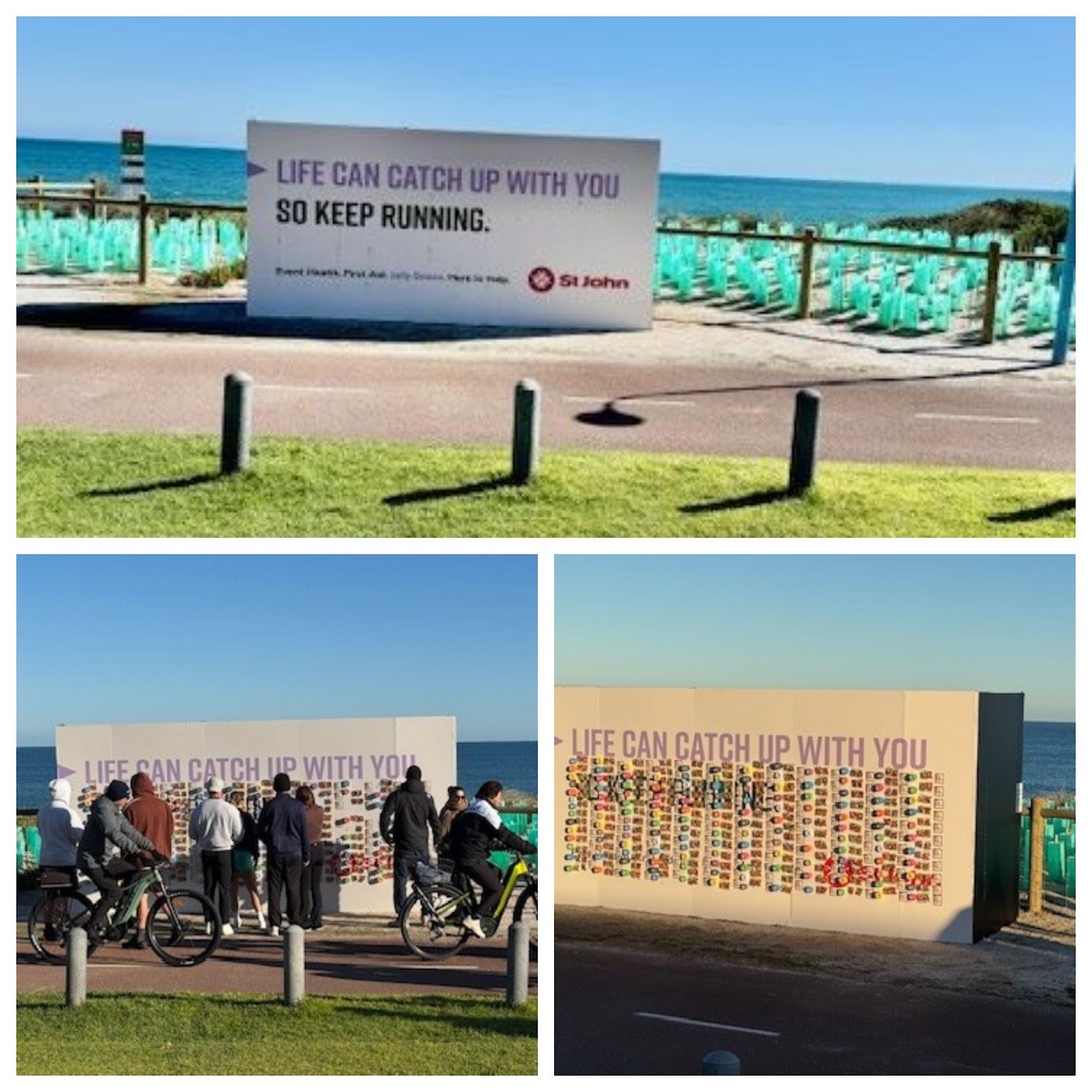
Class A hoardings are typically required where pedestrian access runs directly alongside active works. These systems are fully enclosed, impact resistant, and designed to handle falling debris from height.
In high-traffic environments, Class A hoardings are common beneath multi-storey works, awnings, or scaffolded façades. They allow pedestrian access to remain open while maintaining a high level of protection.
Class B Hoardings for Controlled Access Zones
Class B hoardings suit areas where public access is limited or redirected but still present. They provide strong separation without the same level of overhead protection as Class A systems.
On Perth projects, Class B hoardings are often used around site perimeters where foot traffic is steady but not concentrated directly beneath works. Choosing the wrong class can result in reclassification requests from councils after installation.
Construction Portal Design in High-Traffic Areas
A construction portal is one of the weakest points in any hoarding system if poorly planned. In busy environments, portals must allow vehicle access without interrupting pedestrian flow or creating blind spots.
Strong portals use reinforced frames, controlled swing or sliding gates, and clear signage. In tight Perth streets, portal positioning often determines whether traffic management plans are approved or rejected.
Dust Control Where People Are Close to Works
High pedestrian volumes magnify dust complaints. Solid hoarding systems help create dust suppression zones by sealing off work areas and limiting airflow at ground level.
Retail neighbours, offices, and food venues are particularly sensitive to dust migration. Builders who invest in proper hoarding systems see fewer disputes and less pressure from centre managers and councils.
Local Perspective: Perth Retail and Street-Level Projects
Perth retail strips and CBD laneways leave little room for error. Hoardings must fit tight footprints, comply with council requirements, and stay visually acceptable for months at a time.
Projects that plan hoarding early usually avoid rework. Those that treat it as an afterthought often end up modifying layouts mid-project under council direction.
Renting Hoarding Systems for High-Traffic Environments
Most high-traffic projects benefit from renting hoarding systems rather than purchasing. Rental setups allow upgrades between Class B and Class A hoardings, portal changes, and compliance adjustments as site conditions evolve.
Hoardings WA supports rental arrangements that include inspections, maintenance, and modifications throughout the build, which is critical on long-running public-facing projects.
FAQ
What defines a high-traffic construction environment
Any site where pedestrians, customers, or public vehicles pass close to active works throughout the day is considered high traffic.
Are wind loading certified hoardings required in Perth
On exposed or public-facing sites, yes. Certification is often reviewed during council approvals and inspections.
When should Class A hoardings be used
Class A hoardings are used where pedestrian access runs directly beneath or beside active construction zones.
Can temporary fencing be used on busy sites
It may be acceptable during early works but is rarely suitable once pedestrian numbers increase.
Why is construction portal design important
Portals control access through the hoarding line. Poor design creates safety risks and traffic issues in busy areas.
If you want the next article to target council approval processes, hoarding inspections, or cost planning for public-facing sites, just say the angle and I’ll write it.