
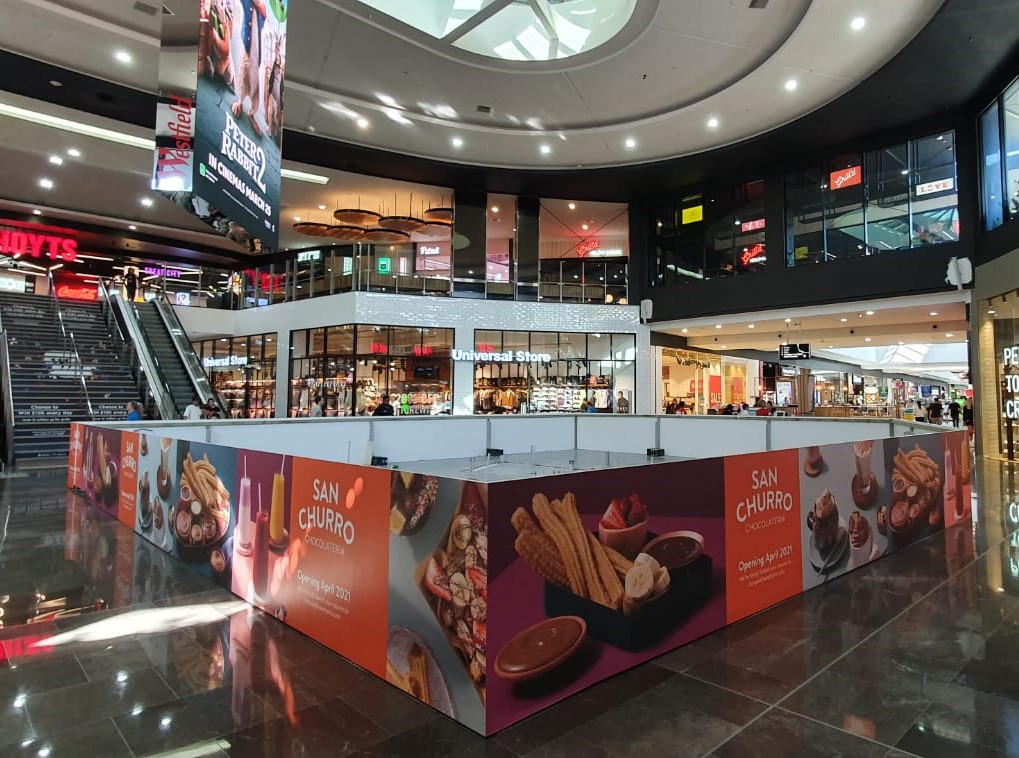
What is shopfront hoarding and why does it matter so much on Perth projects? Shopfront hoarding is a temporary protective structure installed in front of retail tenancies during construction, defits, or refurbishments. Its job is to keep the public safe, secure the work zone, and allow surrounding businesses to operate without disruption. In Perth shopping centres and street-facing retail strips, shopfront hoarding is often mandatory rather than optional.
Hoardings WA works with builders, shop owners, and centre managers across Western Australia, where shopfront hoarding is treated as a frontline safety system, not a cosmetic add-on.
Why Shopfront Hoarding Exists in Retail Environments
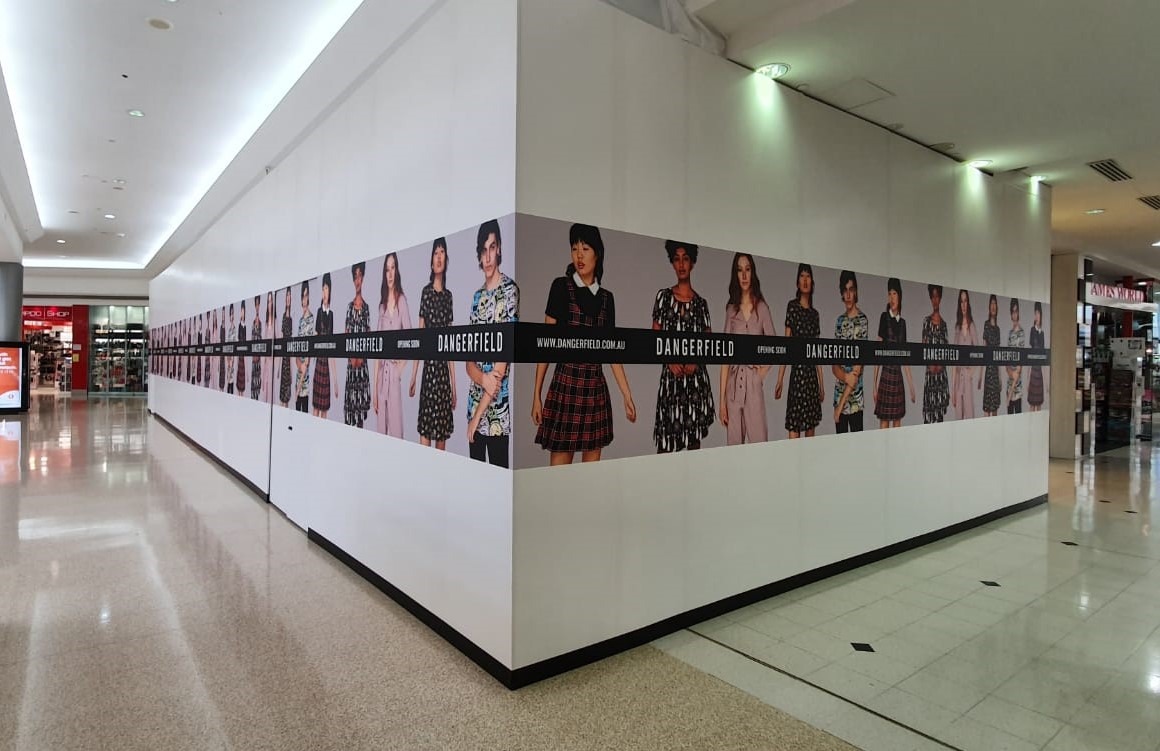
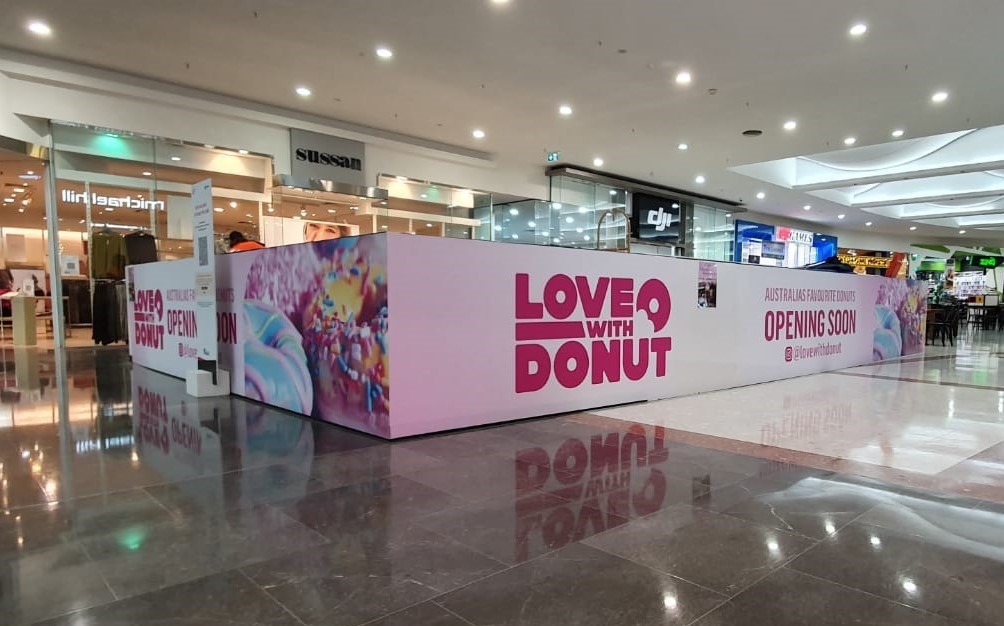
Retail construction happens in live environments. Customers walk past, neighbouring stores trade as usual, and centre management watches closely. Shopfront hoarding creates a controlled barrier between the public and active works, reducing the risk of injury, dust exposure, and unauthorised access.
Unlike basic construction hoarding on isolated sites, shopfront hoarding must balance safety with appearance. A poorly installed system attracts complaints fast and can lead to removal orders or rework.
How Shopfront Hoarding Differs from Standard Construction Hoarding
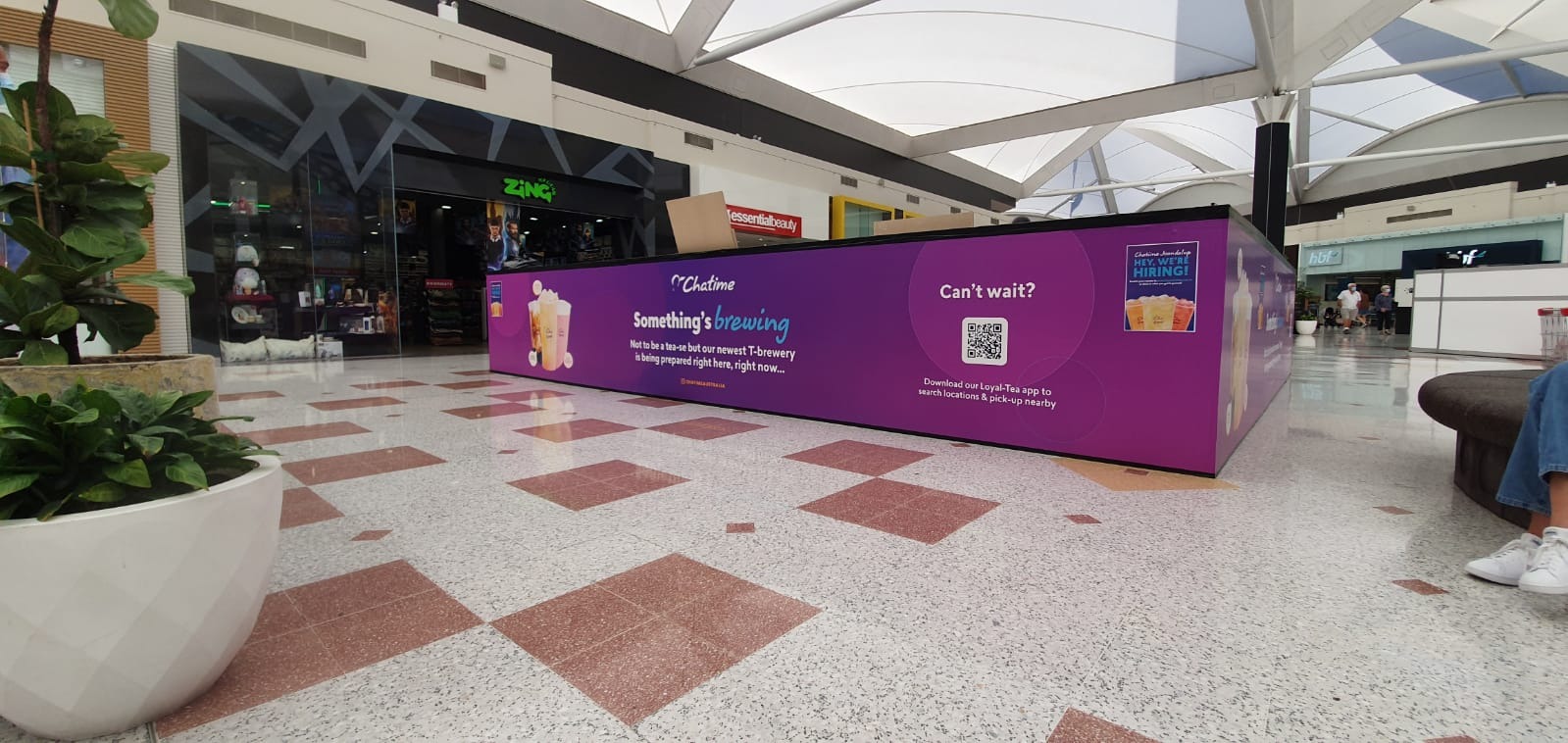
Construction hoarding on external sites focuses on perimeter security and weather exposure. Shopfront hoarding operates indoors or directly along public walkways, where impact resistance and finish quality matter more.
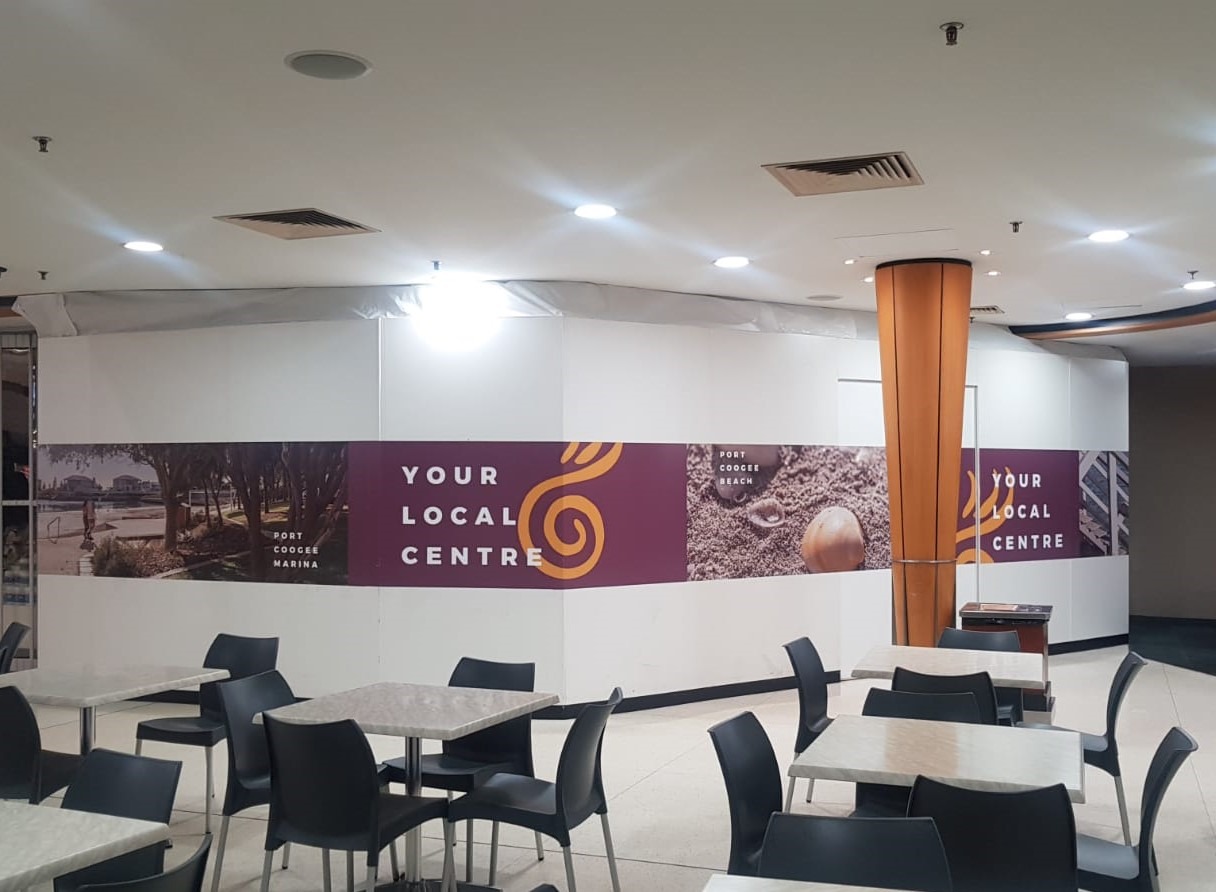
Retail hoardings are usually solid, smooth-faced, and fully sealed. They often include lockable access doors, internal lighting considerations, and strict height controls set by shopping centre guidelines. Temporary fencing rarely meets these requirements.

Class A Hoardings in Shopfront Applications
Class A hoardings are commonly required for shopfront works, particularly when construction occurs above head height. These hoardings are designed to protect pedestrians from falling tools, materials, or debris.
In Perth retail centres, Class A hoardings are frequently specified during ceiling works, façade modifications, or structural changes. Centre management and safety officers expect Class A hoardings where public access runs directly alongside the tenancy.
Hoarding Systems Used for Shopfront Works
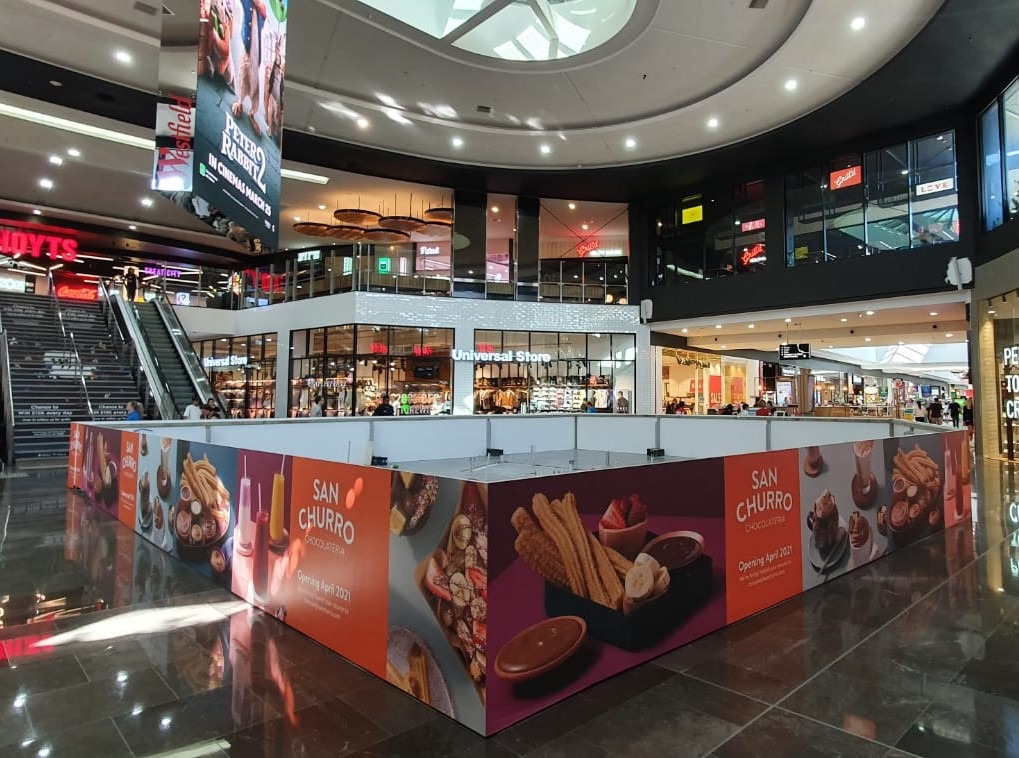
Shopfront hoarding systems are modular, allowing panels to be adjusted as works progress. Strong framing, tight panel joins, and secure fixing points are essential to prevent movement or gaps.
A proper hoarding system also supports maintenance. Panels need to stay straight, clean, and undamaged throughout the project, especially on longer refurbishments where visual presentation affects neighbouring tenants.
| System Type | Retail Suitability | Key Benefit |
| Temporary fencing | Low | Fast install only |
| Solid hoarding systems | High | Safety and presentation |
| Class A hoardings | Very high | Impact protection |
Renting Shopfront Hoardings for Retail Projects
Most Perth builders and shop owners choose hoardings to rent rather than purchase. Retail projects often change scope or timeline, and rental hoarding systems allow flexibility without sunk costs.
Renting also ensures panels meet current standards and centre requirements. Providers handle installation, removal, and adjustments, which reduces pressure on builders already juggling tight retail schedules.
Hoarding Maintenance During Active Retail Builds
Hoarding maintenance is not optional on shopfront sites. Panels are touched, leaned on, and occasionally damaged by equipment or deliveries. Regular inspections keep the hoarding compliant and presentable.
In Perth centres, damaged or dirty hoardings are often flagged quickly by management. Prompt maintenance avoids disputes and protects the professional image of both the builder and the tenant.
Temporary Fencing and Why It Rarely Works for Shopfronts
Temporary fencing may appear cheaper, but it fails in retail settings. Mesh panels allow dust to escape, attract interference, and provide no visual separation. Most shopping centres prohibit temporary fencing outright for shopfront works.
Solid shopfront hoarding is the standard because it delivers safety, privacy, and control in spaces where the public is always close.
Perth Retail Reality: Why Planning Hoarding Early Saves Time
Retail projects in Perth move fast. Late decisions on shopfront hoarding often result in rushed installs, incorrect panel heights, or non-compliant systems. Early planning allows the hoarding to integrate cleanly with access paths, fire exits, and centre rules.
Builders who treat shopfront hoarding as part of the construction program, not an afterthought, avoid delays and costly revisions.
FAQ
What is shopfront hoarding used for
Shopfront hoarding protects the public and secures retail construction works while allowing nearby stores to remain open.
Are Class A hoardings required for shopfront works
They are often required when work is carried out above pedestrian height or where falling object risk exists.
Can temporary fencing be used instead of shopfront hoarding
In most retail environments, no. Temporary fencing does not meet safety or presentation standards.
How long does shopfront hoarding stay installed
It typically remains for the duration of the defit or fit-out and must be maintained throughout.
Is hoarding maintenance the builder’s responsibility
Yes. Builders are responsible for keeping hoardings safe, secure, and presentable for the entire project.