
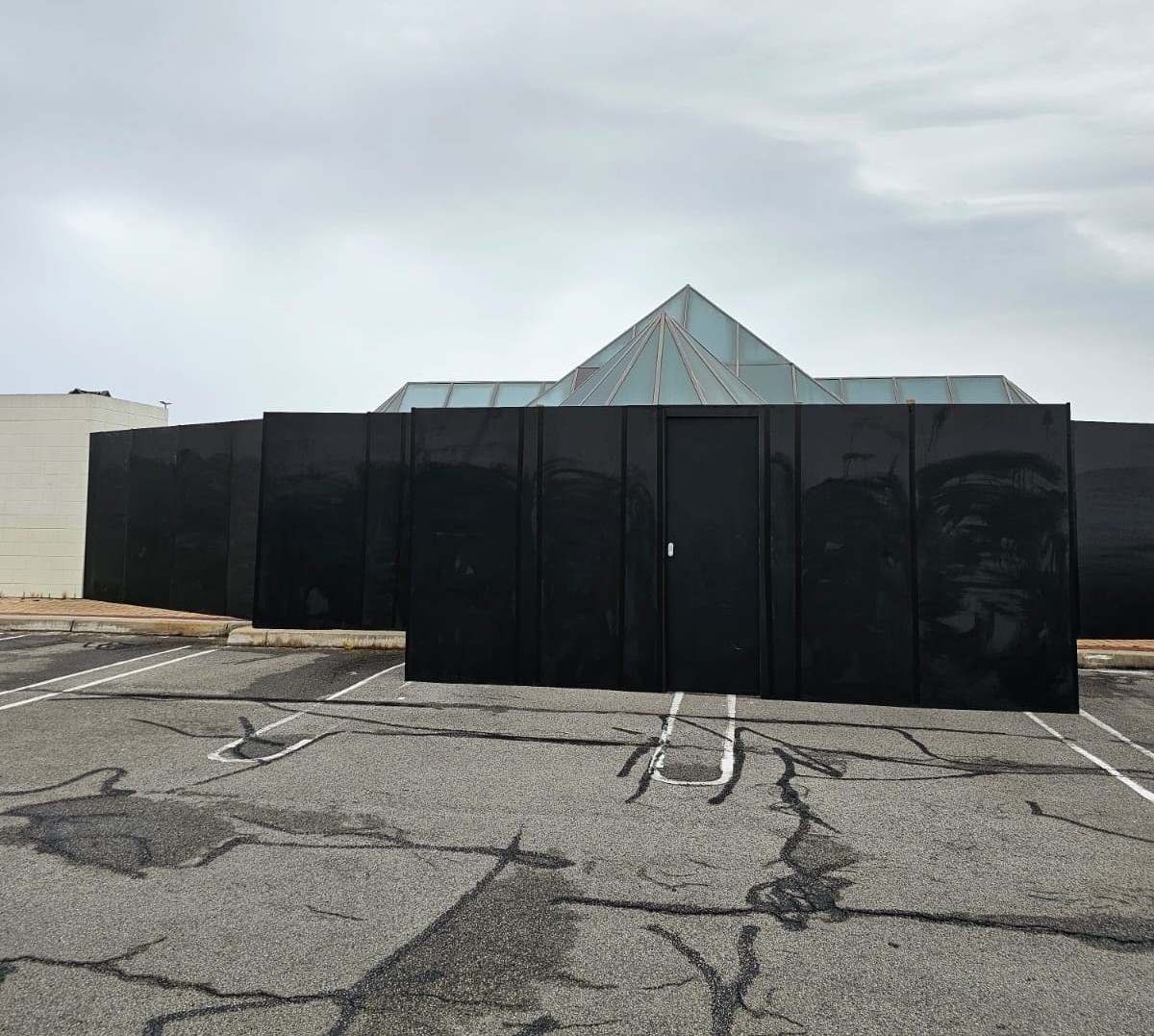
Construction sites can’t operate without barriers—and not just any barriers. In Australia, especially Perth, construction hoarding guidelines aren’t suggestions. They’re strict codes that dictate how, where, and when you can install hoardings. Ignore them, and your site could be shut down before the first brick is even laid.
Whether you’re running a major commercial build or a small strip-out project, you need to know exactly how to meet hoarding compliance—not just for council sign-off, but for public safety and project credibility.

Understanding Hoarding Compliance Is Non-Negotiable
Every region in Australia has its own set of construction hoarding guidelines, but they all share one message: don’t improvise. Perth, in particular, has no patience for unsafe or non-compliant temporary hoardings. If your site hoardings block pedestrian paths without clearance, lack wind resistance certification, or use unapproved materials, you’re exposing your entire project to risk.
You need engineered hoarding systems that meet council standards, especially if you’re working near public zones or high foot traffic areas. Temporary hoarding that doesn’t pass inspection can result in hefty fines and stalled schedules.
Engineer Certification and Structural Stability Matter
This isn’t the place to cut corners. If your hoarding exceeds certain height limits or is exposed to strong wind zones, local construction hoarding guidelines require that it be signed off by a qualified structural engineer. That includes wind-loading specs, anchoring methods, and bracing systems.
In simple terms: your hoarding has to stand up to real-world conditions. Perth weather isn’t kind to poorly installed barriers. One gust, one panel failure, and you’re liable for far more than just property damage.
Visibility, Signage, and Safe Access
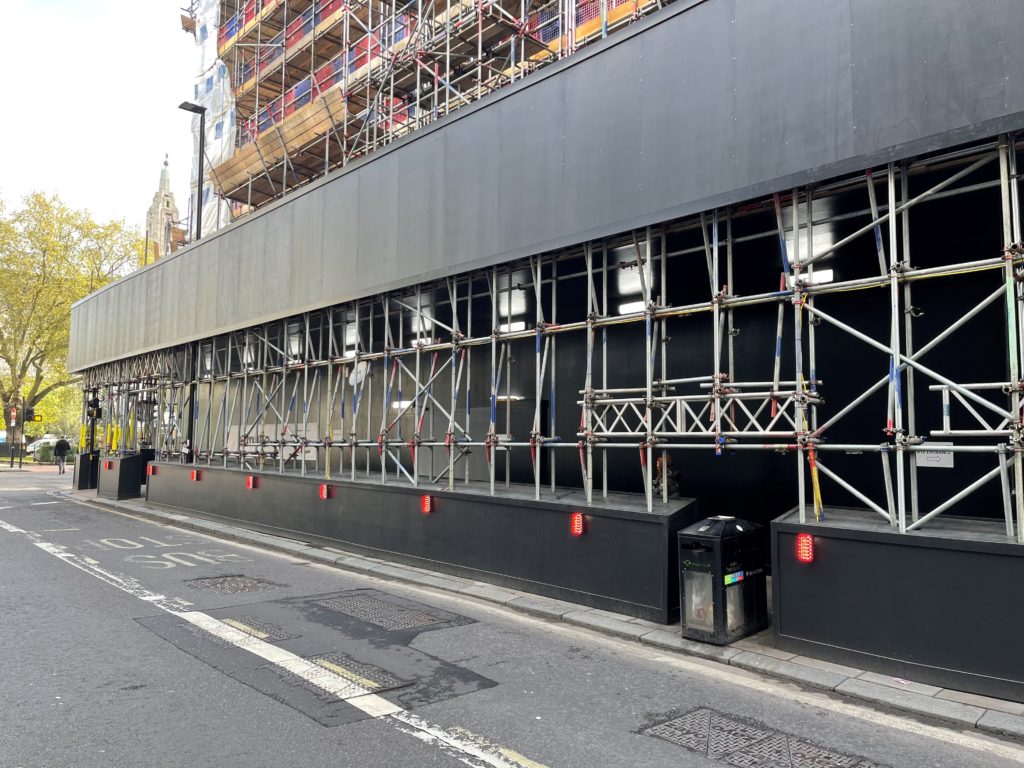
When your hoardings interfere with public walkways or roads, visibility becomes a legal issue. Most councils demand that your temporary hoarding includes reflective strips, directional signage, and in some cases, adequate lighting. You’re not just building a wall—you’re building a safe route around or past your site.
Don’t forget access points either. Construction hoarding guidelines often call for lockable gates, emergency access doors, and clearly marked personnel entry zones. If your hoardings become a barrier to first responders or the public, your compliance falls apart fast.

Public Image and Environmental Control
Hoardings aren’t invisible. They’re one of the most visible parts of your project—especially in high-density zones like Perth’s city centre. Construction hoarding guidelines increasingly address aesthetics and environmental impact. That means no warped timber, no graffiti, and no unsecured flapping tarps.
Your hoarding should contain noise, suppress dust, and if possible, present a professional image. Printed panels, neat finishes, and integrated branding don’t just look better—they reduce complaints and build goodwill with nearby residents and businesses.
Routine Inspections Keep You Covered
Your hoarding may pass inspection on day one—but what about week four, or after a storm rolls through? Temporary hoarding needs ongoing maintenance. According to best practice construction hoarding guidelines, regular checks should be scheduled, especially following severe weather or after work involving machinery near the barrier.
Loose bolts, cracked panels, or degraded fixings can escalate from minor annoyances to major hazards. Daily visual checks and weekly reports should be standard. If you wait until something fails, it’s already too late.

Local Knowledge Makes All the Difference
Regulations aren’t one-size-fits-all. A hoarding system approved in Sydney might get flagged in Perth. That’s why working with local professionals who understand construction hoarding guidelines is critical. They know which permits you need, how to deal with local councils, and how to install hoardings that won’t get flagged during an unannounced inspection.
More importantly, they help you avoid delays caused by misinterpretation or non-compliance—issues that too often derail even well-planned jobs.
The Takeaway
Meeting construction hoarding guidelines isn’t a bureaucratic exercise—it’s a crucial part of safe, legal, and efficient project delivery. From engineering sign-offs to compliant signage and secure installations, every detail counts. Temporary hoarding isn’t something to “sort later.” It’s a core part of your site setup.
Want hoardings done right the first time? Hoardings WA delivers fully compliant, no-fuss hoarding hire and installation across Perth. Get in touch—no delays, no shortcuts.