
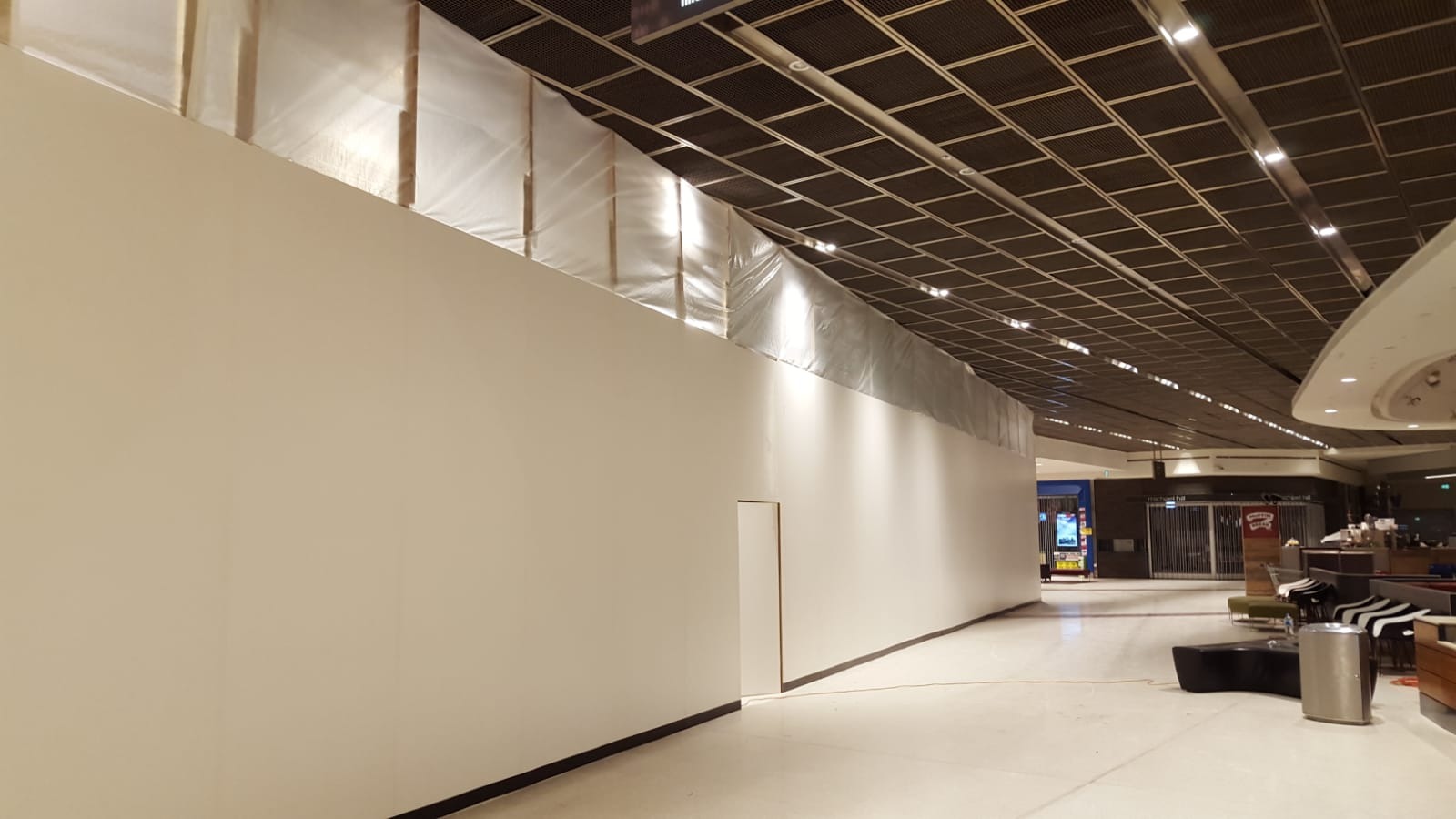
Need professional hoarding removal? Hoardings WA handles safe, compliant dismantling of construction hoarding with minimal site disruption.
Need professional hoarding removal? Hoardings WA handles safe, compliant dismantling of construction hoarding with minimal site disruption.
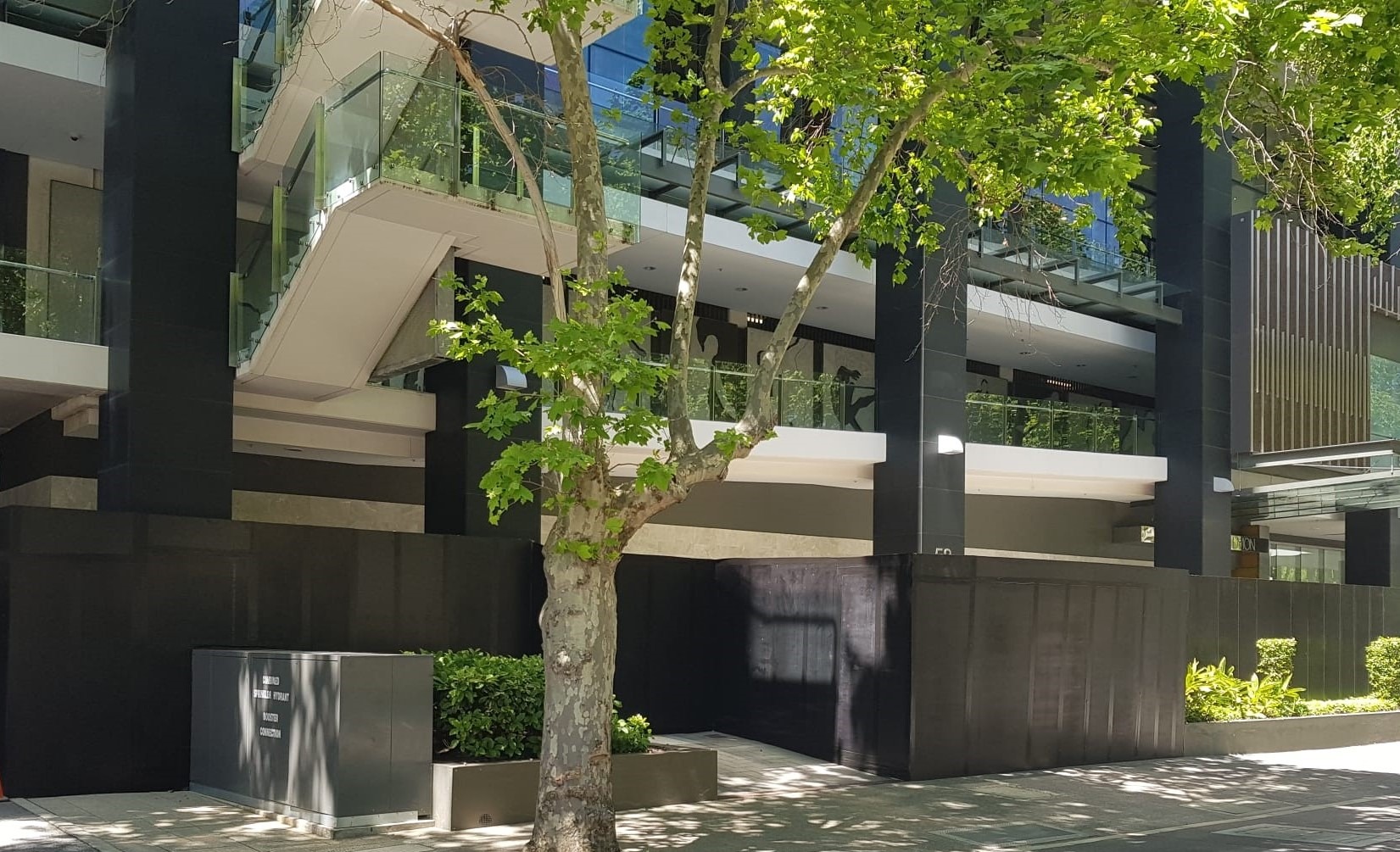
Construction hoarding safety and security is not just about ticking compliance boxes. In Perth, where construction often runs alongside live footpaths, retail strips, and mixed-use developments, hoarding systems protect both the public and the project itself. Done properly, they reduce liability, prevent theft, and create a controlled environment where work can proceed without disruption.
Hoardings WA works with builders, demolition teams, and shop owners who understand that site protection starts at the perimeter.
The first job of construction hoarding is public safety. Pedestrians should never be exposed to falling debris, loose materials, or moving plant. Solid hoarding systems create a physical barrier that shields walkways from tools, dust, and machinery hazards.
In busy Perth areas, particularly CBD and retail corridors, Class A hoardings are commonly required where works occur above or adjacent to public access. These systems provide overhead and side protection, giving pedestrians safe passage even when active works continue just metres away.
Noise and dust containment also fall under public safety. Sealed hoarding panels help reduce the spread of debris and airborne particles, which is critical when projects sit next to offices, cafés, or neighbouring retail stores.
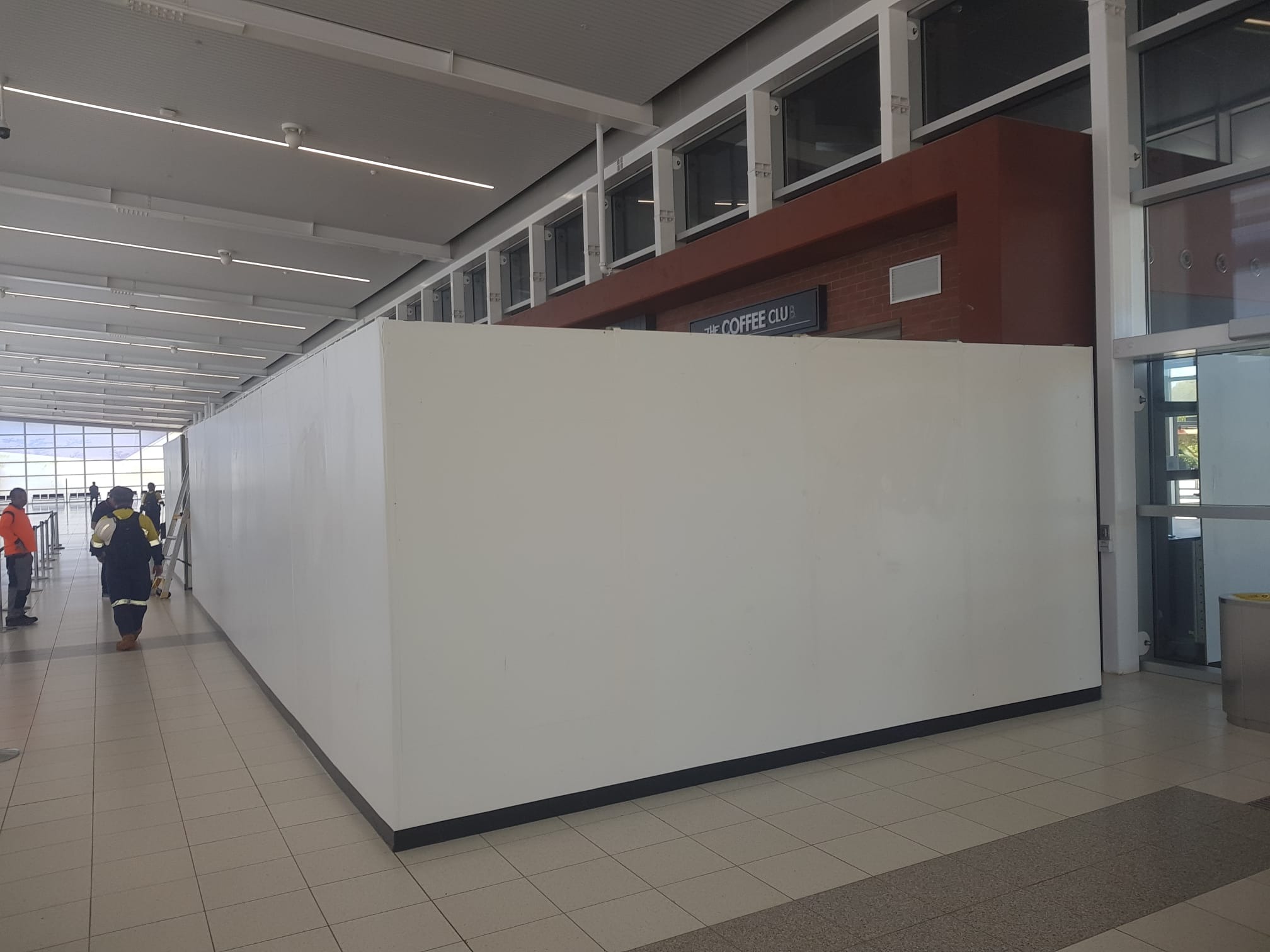
Construction hoarding safety and security also protects the site itself. Unsecured worksites invite theft, vandalism, and unauthorised entry. Solid construction hoarding creates a defined perimeter that limits visibility and reduces temptation.
Temporary fencing can mark a boundary during early stages, but it offers limited resistance against intrusion. As projects scale or materials increase in value, most Perth builders upgrade to solid hoarding systems to strengthen perimeter control.
Security is not only about preventing external threats. It also protects the builder from liability claims linked to trespass injuries or after-hours incidents.
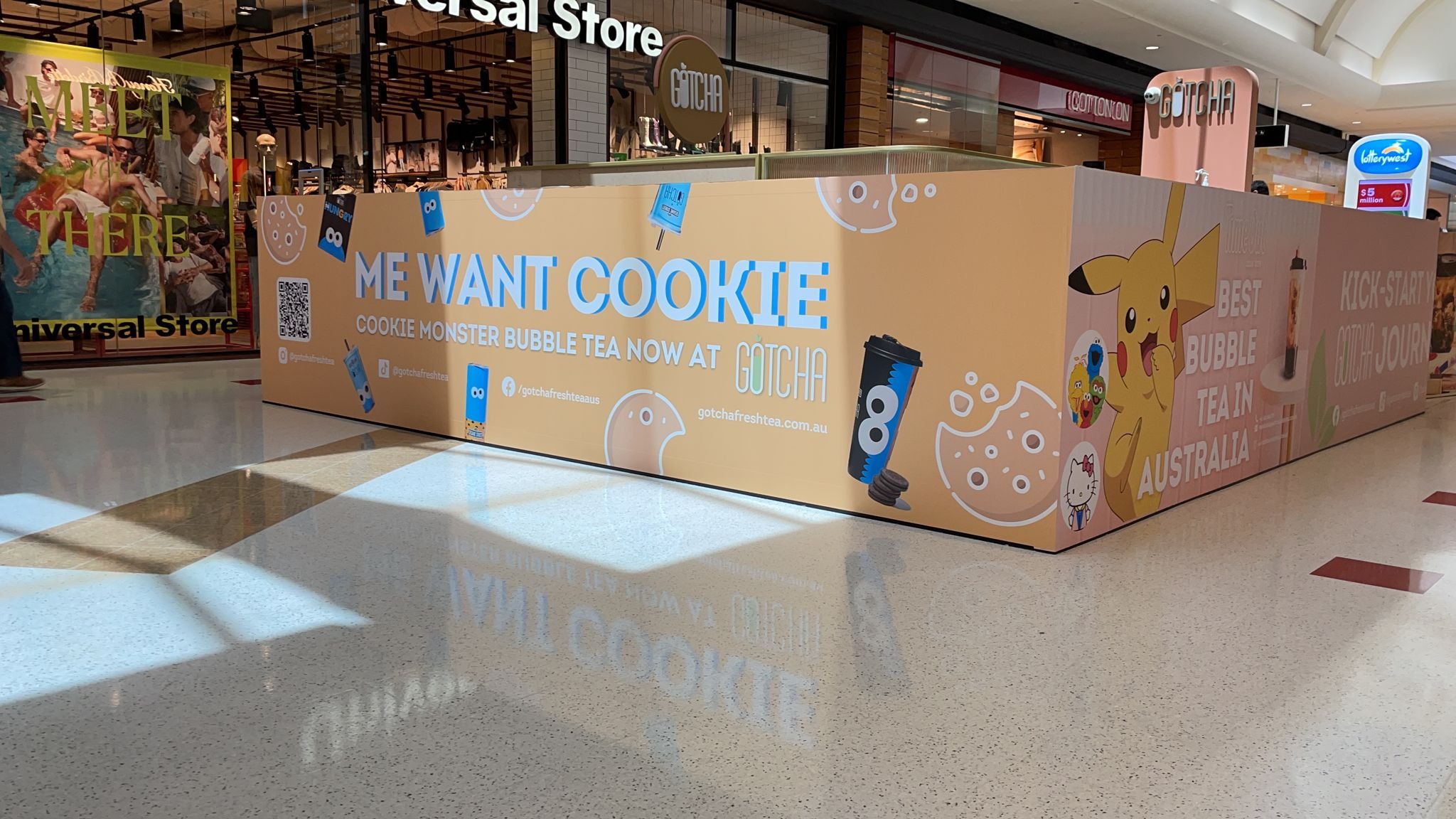
Hoarding systems under two metres high require additional thought. Lower panels can be easier to scale, particularly in public-facing environments.
Anti-climb measures such as roller barriers or rotating top extensions discourage attempts to gain access without creating an aggressive or hostile appearance. These solutions are particularly useful in retail or community-facing projects where aesthetics matter.
For non-aggressive hoarding designs, anti-climb features maintain security without making the site look like a fortress. This balance is important in Perth suburban centres and heritage-sensitive areas.

Not all projects require the same protection level. Class A hoardings are typically used where public access runs directly beside or beneath active construction. These systems provide higher impact resistance and enhanced structural stability.
Class B hoardings suit lower-risk areas where public access is controlled or partially redirected. They still provide strong separation but may not require the same overhead protection.
Choosing the correct class reduces over-engineering costs while ensuring compliance. Builders who select the wrong system often face upgrades after inspections, which slows progress.
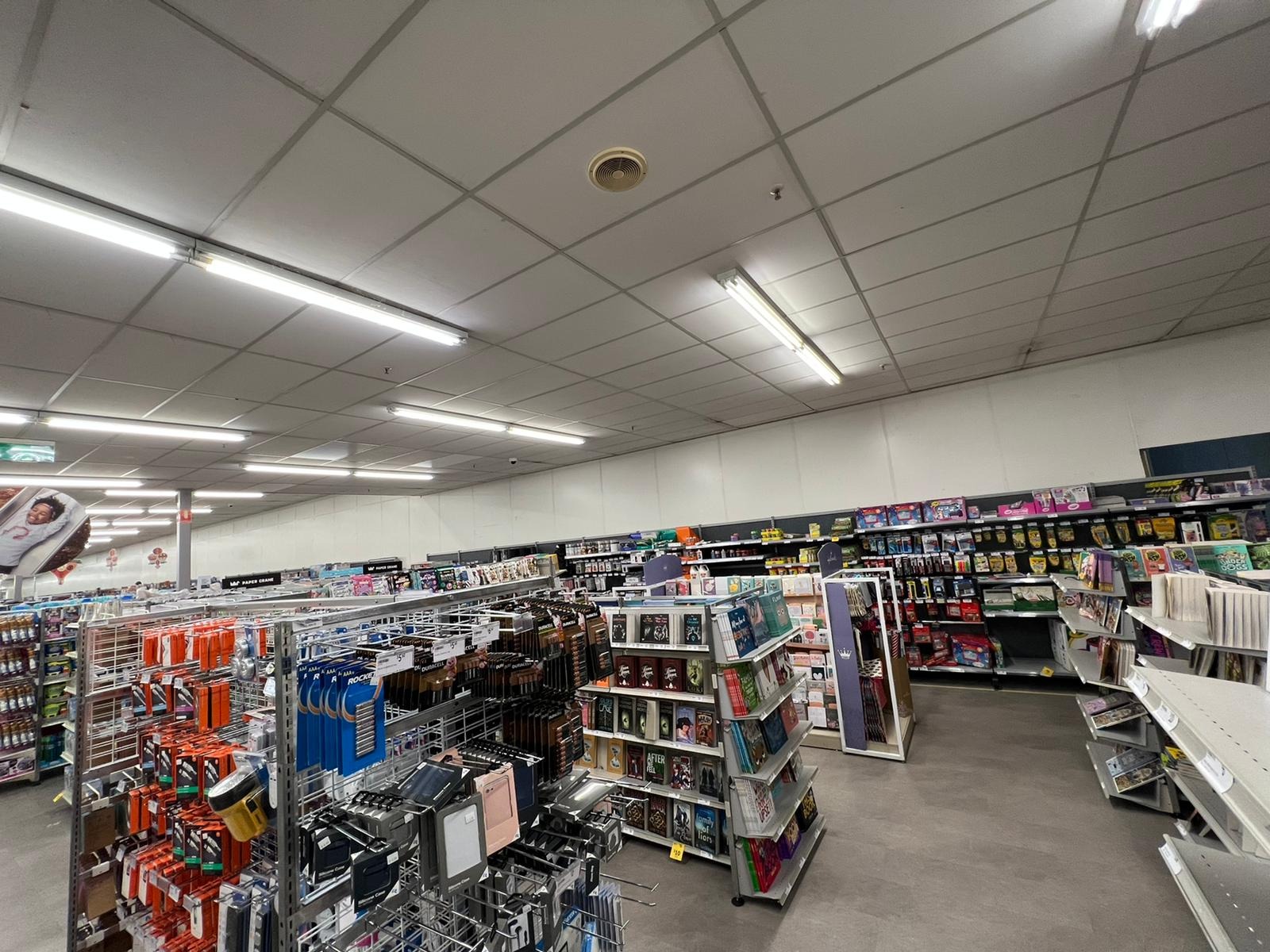
Demolition sites demand robust construction hoarding due to unpredictable debris and structural removal risks. Strong perimeter protection prevents materials from reaching public areas and protects adjacent properties.
Utility works, such as underground services or road-side upgrades, rely on hoarding to separate heavy equipment from pedestrian paths. In these cases, temporary fencing may start the job, but solid hoarding often follows once machinery activity increases.
Maintenance projects within shopping centres or commercial buildings frequently use controlled shopfront-style hoarding to isolate work zones while allowing business operations to continue.
Sensitive and heritage-listed sites require particular care. Hoarding must protect both the structure and the surrounding public while respecting aesthetic constraints. Clean panel finishes and stable framing are essential in these environments.
Many Perth builders choose hoardings to rent instead of purchasing outright. Rental systems allow upgrades between Class B and Class A hoardings as risk levels shift during the build.
Long-term projects benefit from ongoing inspections, maintenance adjustments, and modifications as the site evolves. Renting ensures that construction hoarding safety and security standards remain consistent from start to finish.
Perth’s mix of coastal winds, tight retail strips, and active public spaces means perimeter protection cannot be an afterthought. Strong construction hoarding safety and security planning prevents costly shutdowns, protects brand reputation, and keeps regulators satisfied.
The safest projects are usually the ones where the boundary is treated as part of the build, not separate from it.
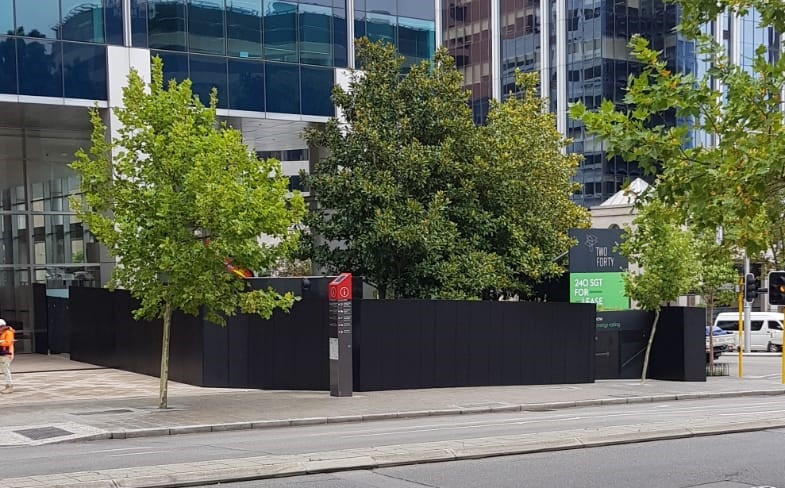
It protects pedestrians from hazards while preventing unauthorised access, theft, and vandalism on site.
They are typically required when construction activity occurs directly beside or above public access areas.
Temporary fencing works for early-stage or low-risk projects but offers limited protection against intrusion and debris.
Roller barriers and rotating top extensions discourage climbing on lower, non-aggressive hoarding systems.
Yes. Rental systems allow flexibility, compliance upgrades, and maintenance support throughout the project lifecycle.
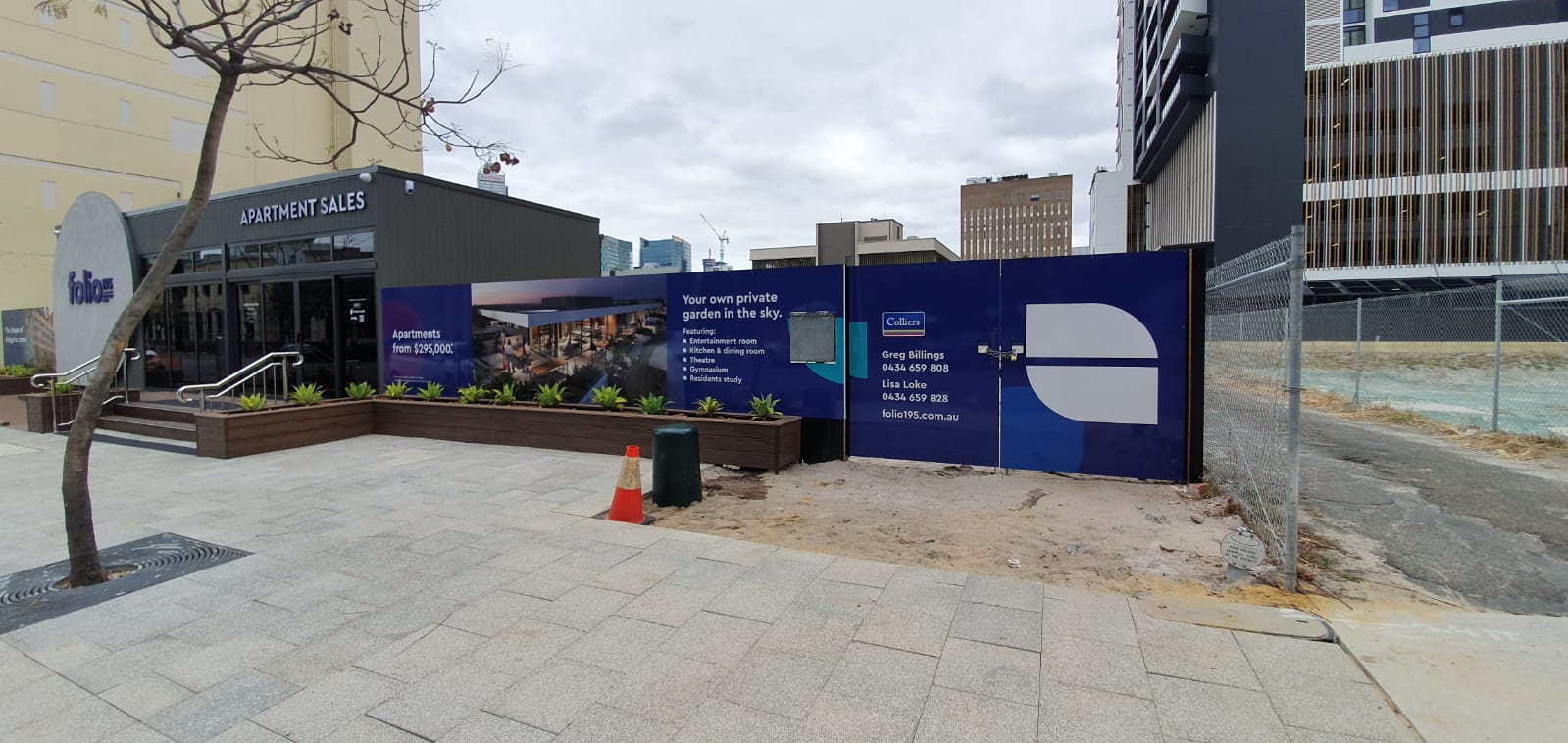
Learn the safety precautions provided by hoarding systems on Perth sites. Hoardings WA covers compliance, access control, and risk reduction.
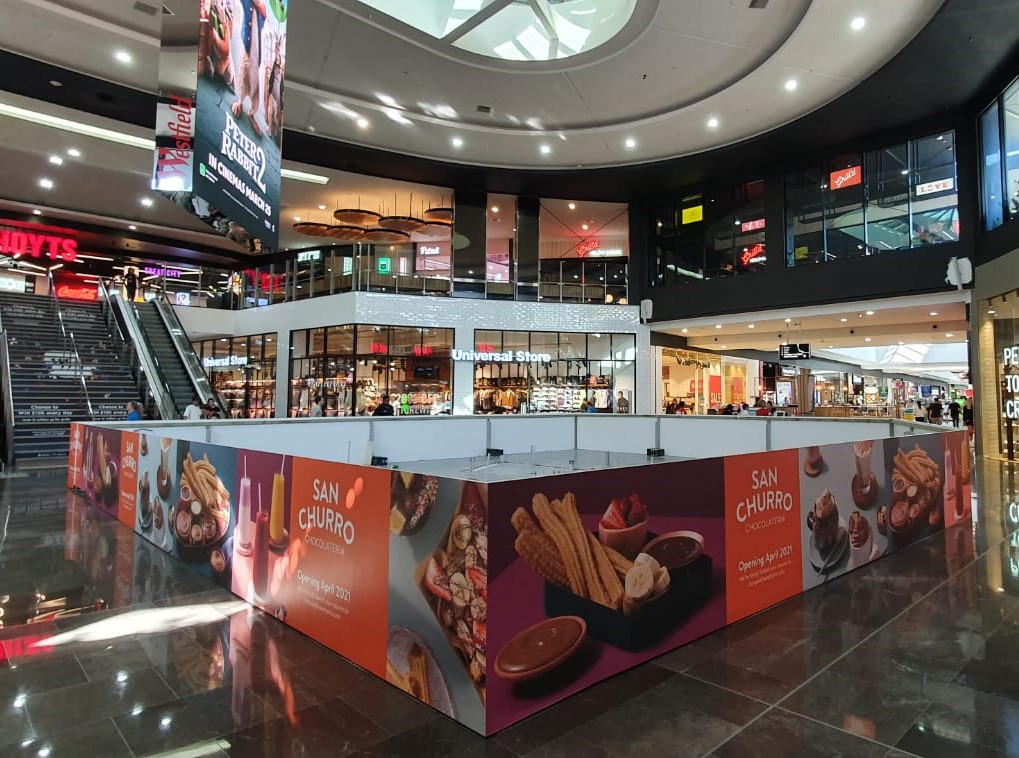
What is shopfront hoarding? Hoardings WA explains how it protects retail and construction sites, manages safety, and supports compliance in Perth.
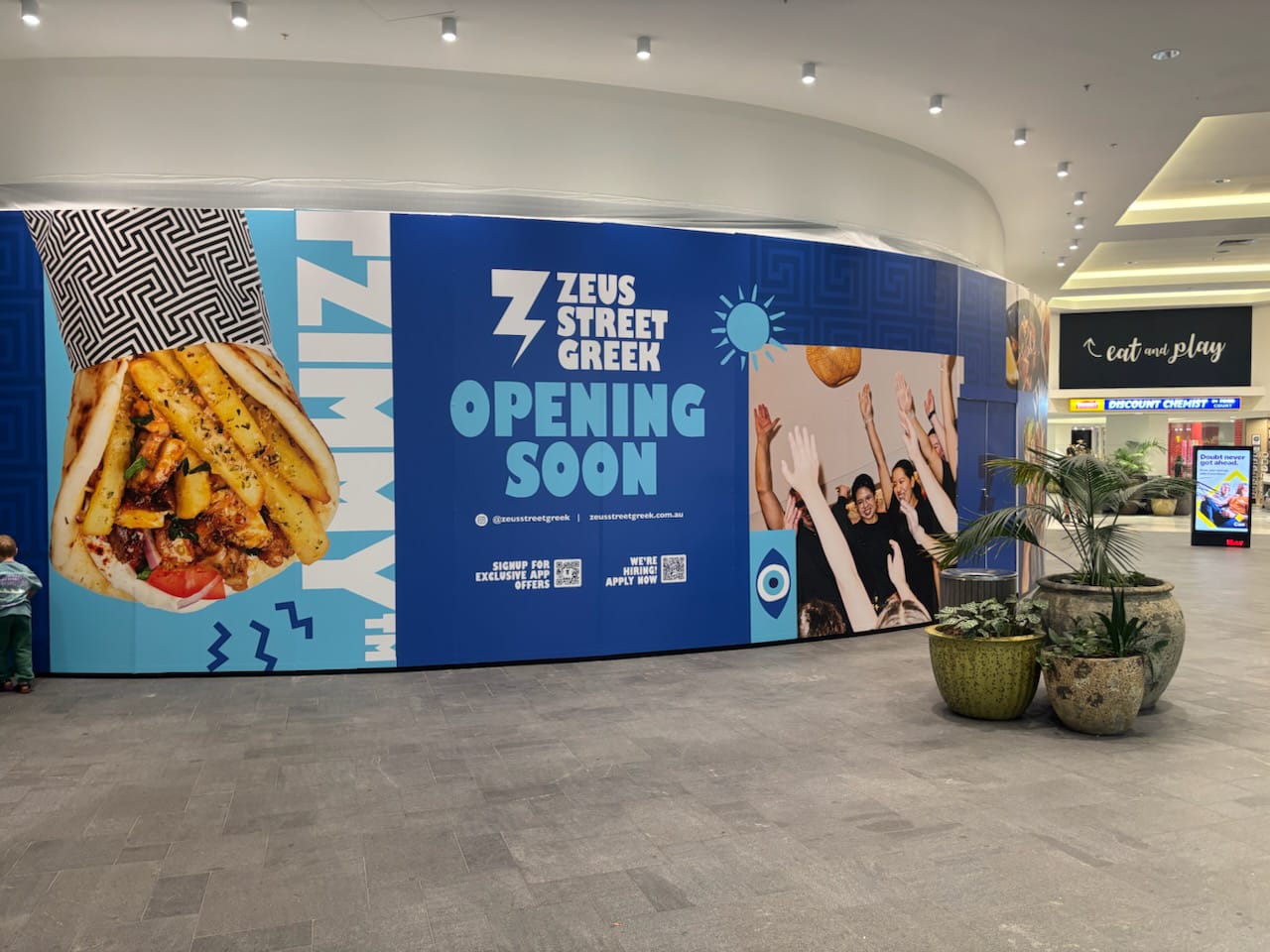
A hoarding system for high-traffic environments is not just about separating people from works. In Perth, it is about controlling movement, managing risk, and keeping projects running without complaints, fines, or shutdowns. Builders working near footpaths, shopping centres, transport hubs, or active retail strips quickly learn that standard solutions fail when pedestrian numbers climb.
Hoardings WA installs hoarding systems across Perth locations where public exposure is constant and tolerance for mistakes is low. This guide explains how hoardings function in busy environments, what standards apply, and how different systems perform when pressure is high.
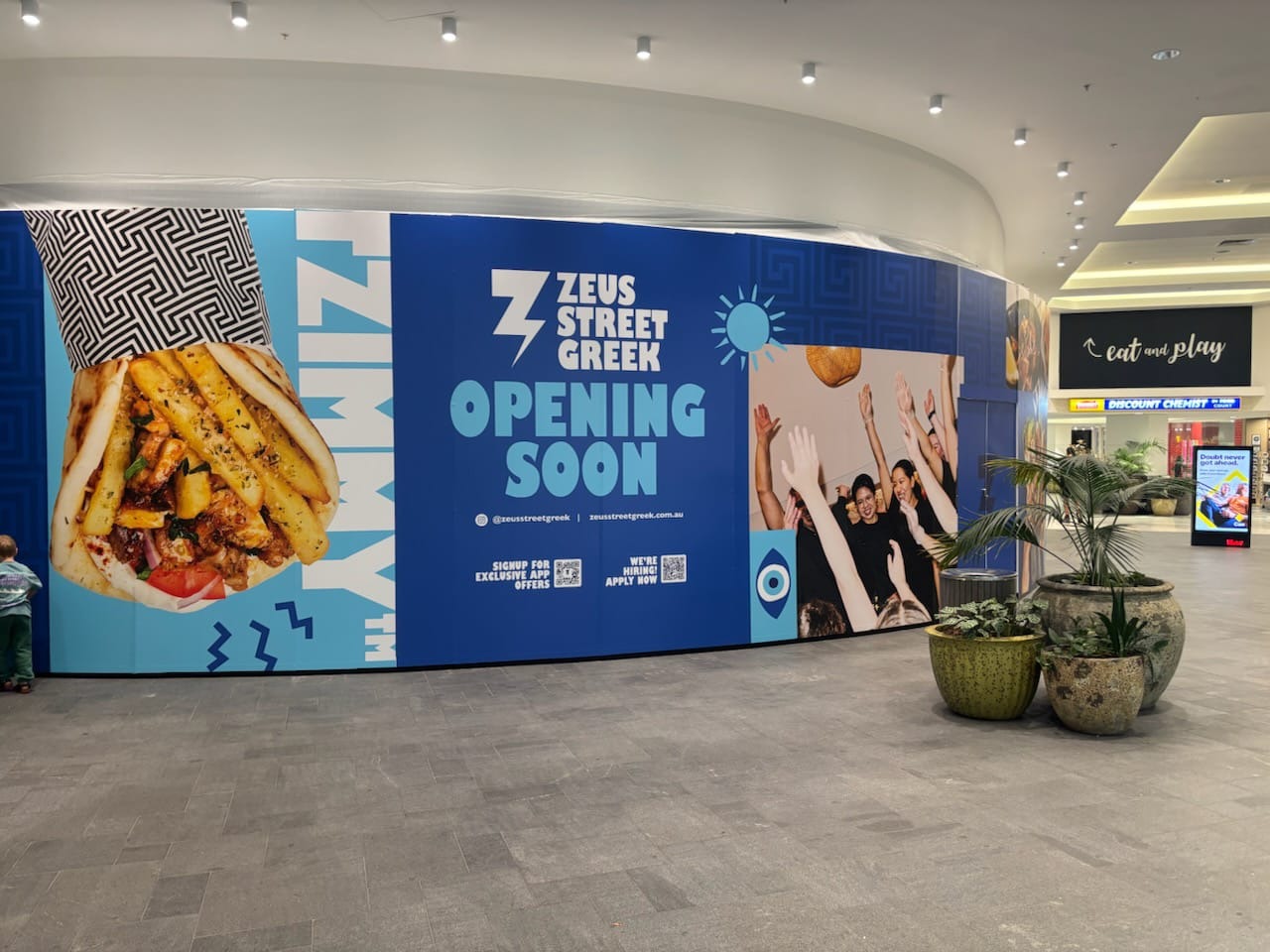
High-traffic environments introduce unpredictable behaviour. Pedestrians stop, lean, push, photograph, and sometimes try to access restricted zones. Vehicles queue. Deliveries arrive at the wrong time. A hoarding system in these conditions must be rigid, tamper-resistant, and visually clear.
In Perth CBD and major suburban centres, councils expect hoardings to guide foot traffic safely without creating bottlenecks. Poor layouts often trigger redesigns after installation, which costs time and money.
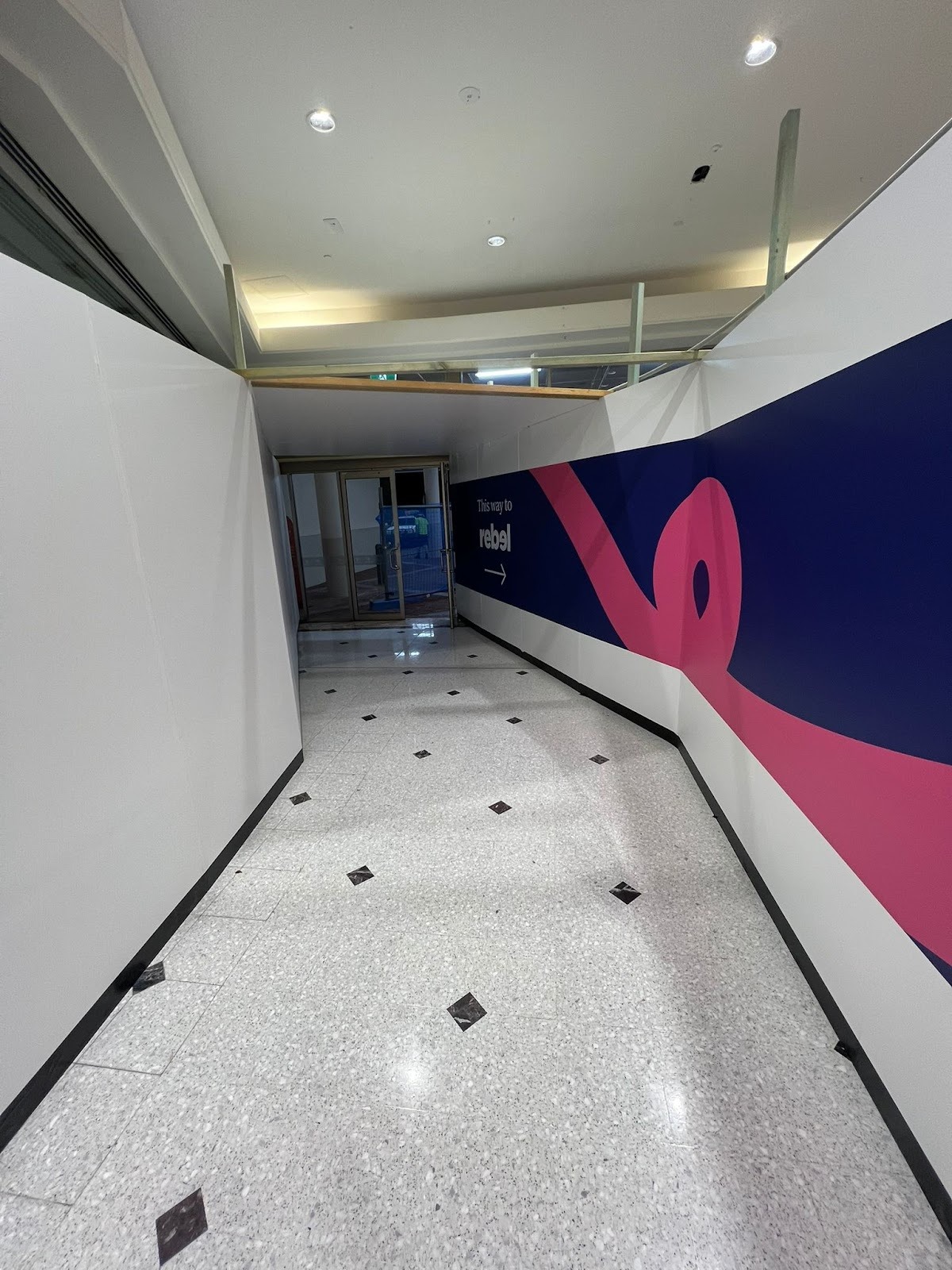
A well-designed hoarding system does more than block access. It directs people where they should walk and removes confusion around site boundaries. Straight runs, clear corners, and consistent panel heights all contribute to safer pedestrian movement.
In high-traffic zones, hoardings often include sightline management so people can see where paths continue. This reduces sudden stops and crowding, which is a common issue around shopfront refurbishments and street-level construction.
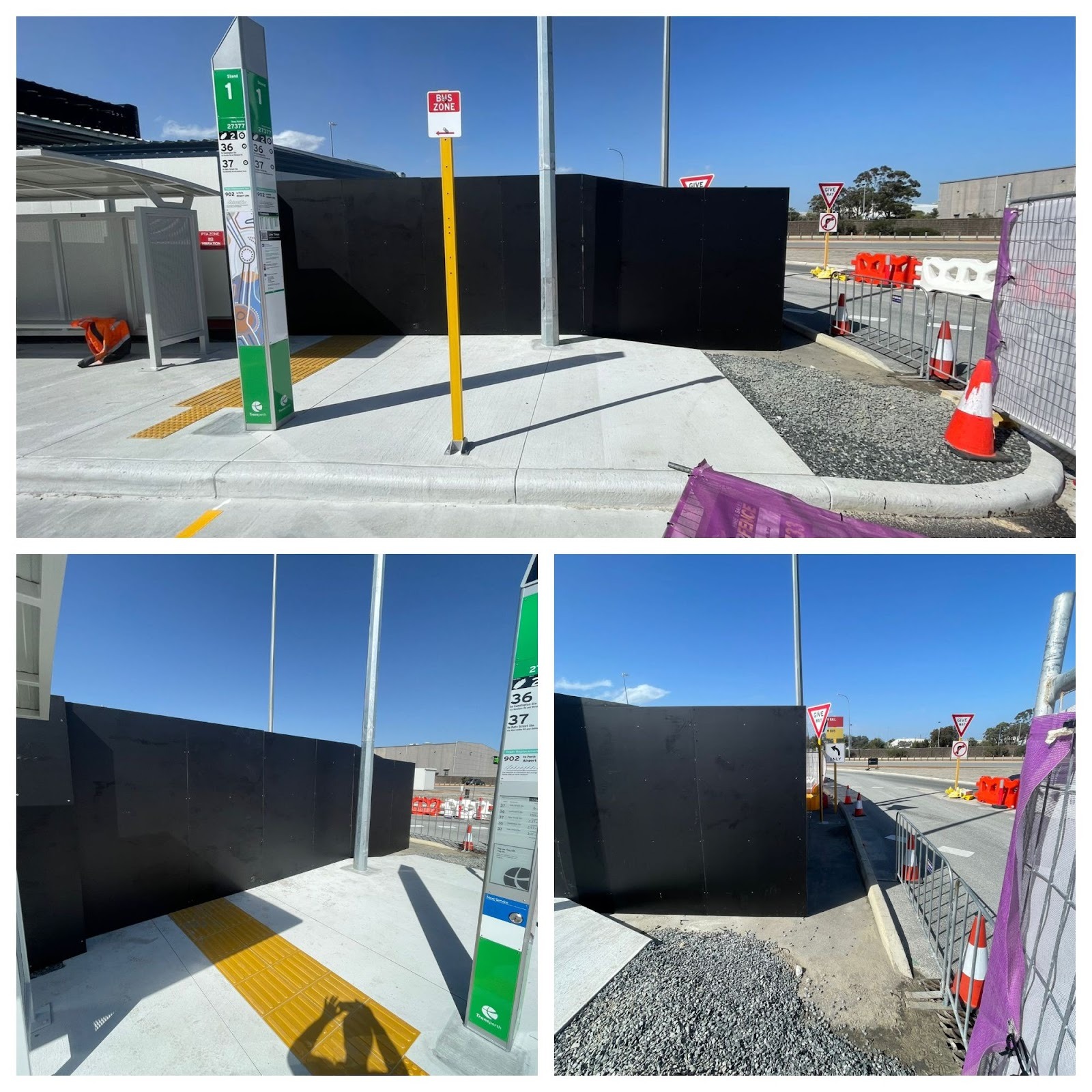
Temporary fencing still appears on some high-traffic sites, usually during early works. In practice, it performs poorly once pedestrian volumes increase. Mesh fencing invites interaction, offers no dust control, and provides limited protection from falling objects.
Most Perth builders transition away from temporary fencing as soon as public interfaces increase. Solid hoarding systems offer better separation and reduce the likelihood of interference from passers-by.
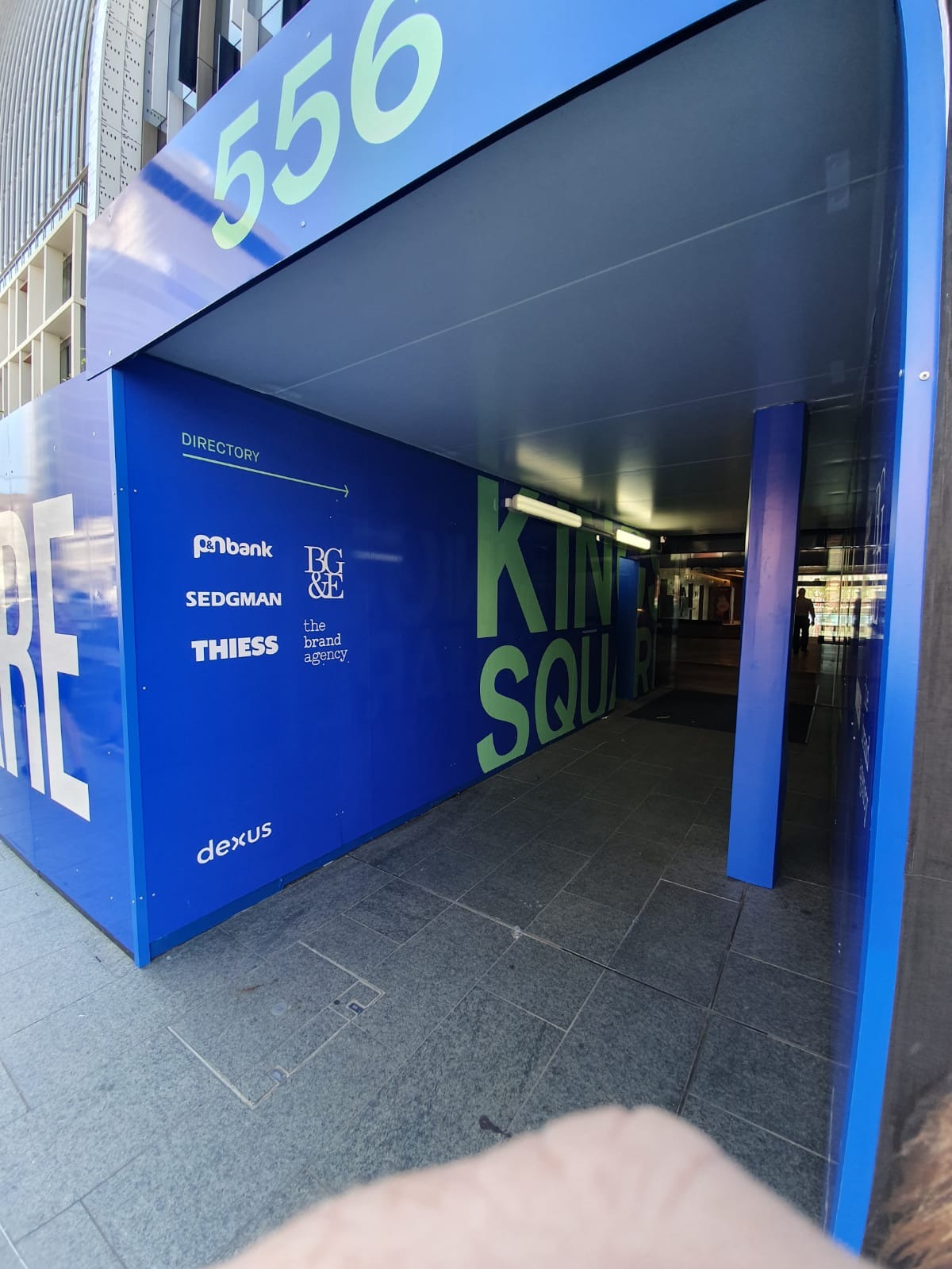
High-traffic environments are often exposed environments. Open streets, intersections, and transport corridors amplify wind loads, particularly around taller buildings. Wind loading certified hoardings are engineered to resist these forces without shifting or lifting.
Perth’s coastal winds make certification essential rather than optional. Panels must be anchored, braced, and installed according to site-specific conditions. Councils and engineers look closely at wind performance on busy streets because failure puts the public directly at risk.
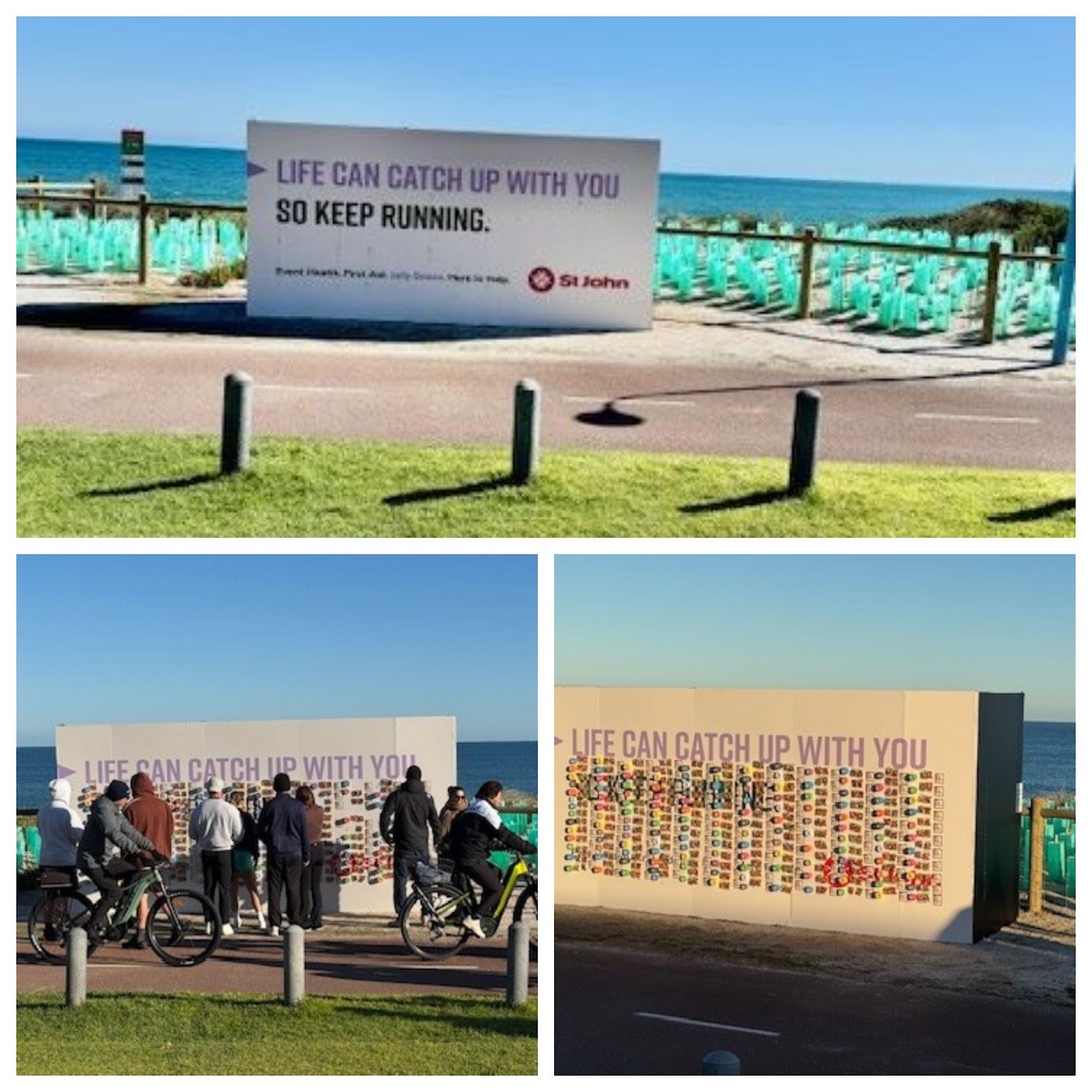
Class A hoardings are typically required where pedestrian access runs directly alongside active works. These systems are fully enclosed, impact resistant, and designed to handle falling debris from height.
In high-traffic environments, Class A hoardings are common beneath multi-storey works, awnings, or scaffolded façades. They allow pedestrian access to remain open while maintaining a high level of protection.
Class B hoardings suit areas where public access is limited or redirected but still present. They provide strong separation without the same level of overhead protection as Class A systems.
On Perth projects, Class B hoardings are often used around site perimeters where foot traffic is steady but not concentrated directly beneath works. Choosing the wrong class can result in reclassification requests from councils after installation.
A construction portal is one of the weakest points in any hoarding system if poorly planned. In busy environments, portals must allow vehicle access without interrupting pedestrian flow or creating blind spots.
Strong portals use reinforced frames, controlled swing or sliding gates, and clear signage. In tight Perth streets, portal positioning often determines whether traffic management plans are approved or rejected.
High pedestrian volumes magnify dust complaints. Solid hoarding systems help create dust suppression zones by sealing off work areas and limiting airflow at ground level.
Retail neighbours, offices, and food venues are particularly sensitive to dust migration. Builders who invest in proper hoarding systems see fewer disputes and less pressure from centre managers and councils.
Perth retail strips and CBD laneways leave little room for error. Hoardings must fit tight footprints, comply with council requirements, and stay visually acceptable for months at a time.
Projects that plan hoarding early usually avoid rework. Those that treat it as an afterthought often end up modifying layouts mid-project under council direction.
Most high-traffic projects benefit from renting hoarding systems rather than purchasing. Rental setups allow upgrades between Class B and Class A hoardings, portal changes, and compliance adjustments as site conditions evolve.
Hoardings WA supports rental arrangements that include inspections, maintenance, and modifications throughout the build, which is critical on long-running public-facing projects.
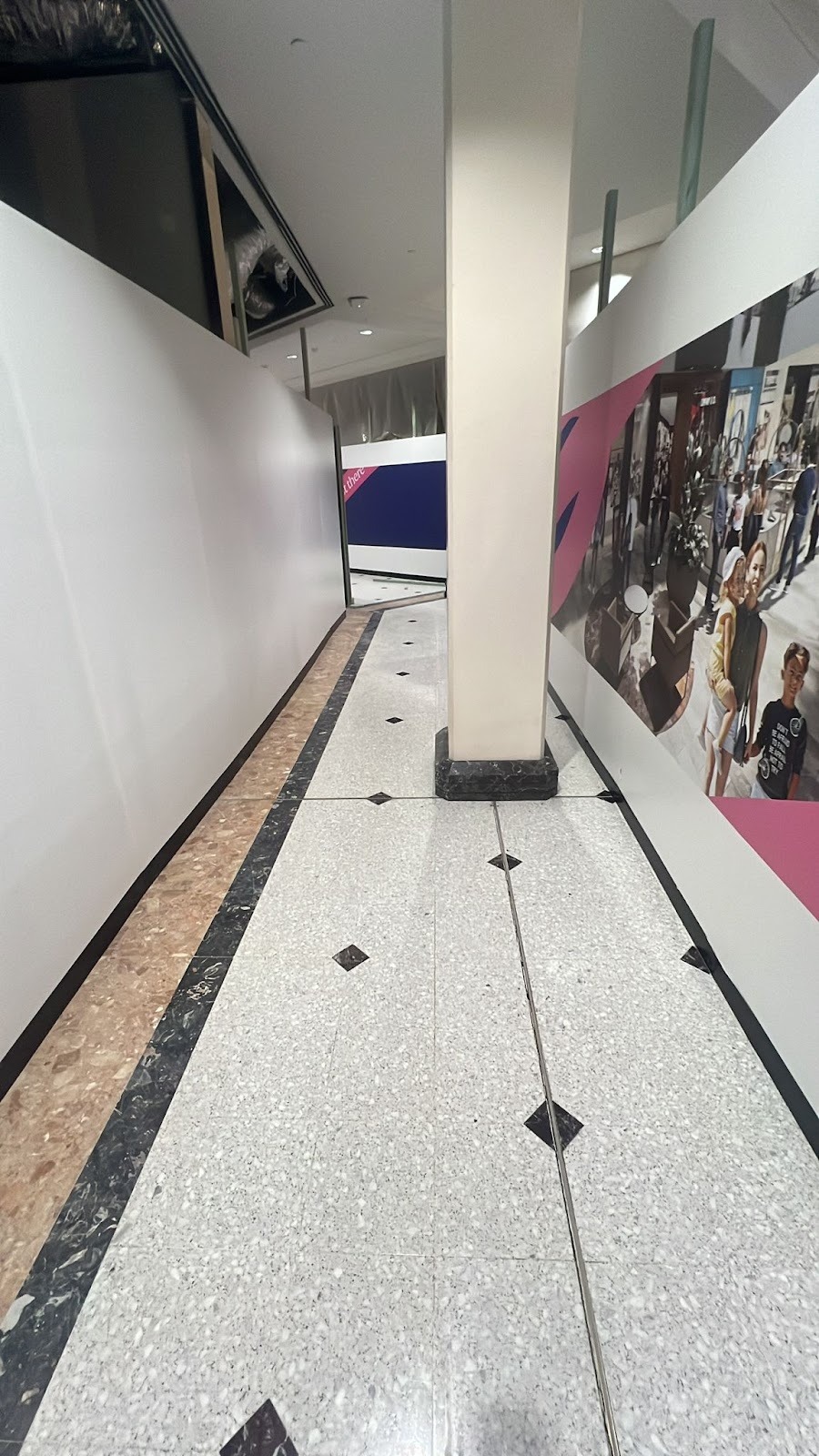
Any site where pedestrians, customers, or public vehicles pass close to active works throughout the day is considered high traffic.
On exposed or public-facing sites, yes. Certification is often reviewed during council approvals and inspections.
Class A hoardings are used where pedestrian access runs directly beneath or beside active construction zones.
It may be acceptable during early works but is rarely suitable once pedestrian numbers increase.
Portals control access through the hoarding line. Poor design creates safety risks and traffic issues in busy areas.
If you want the next article to target council approval processes, hoarding inspections, or cost planning for public-facing sites, just say the angle and I’ll write it.
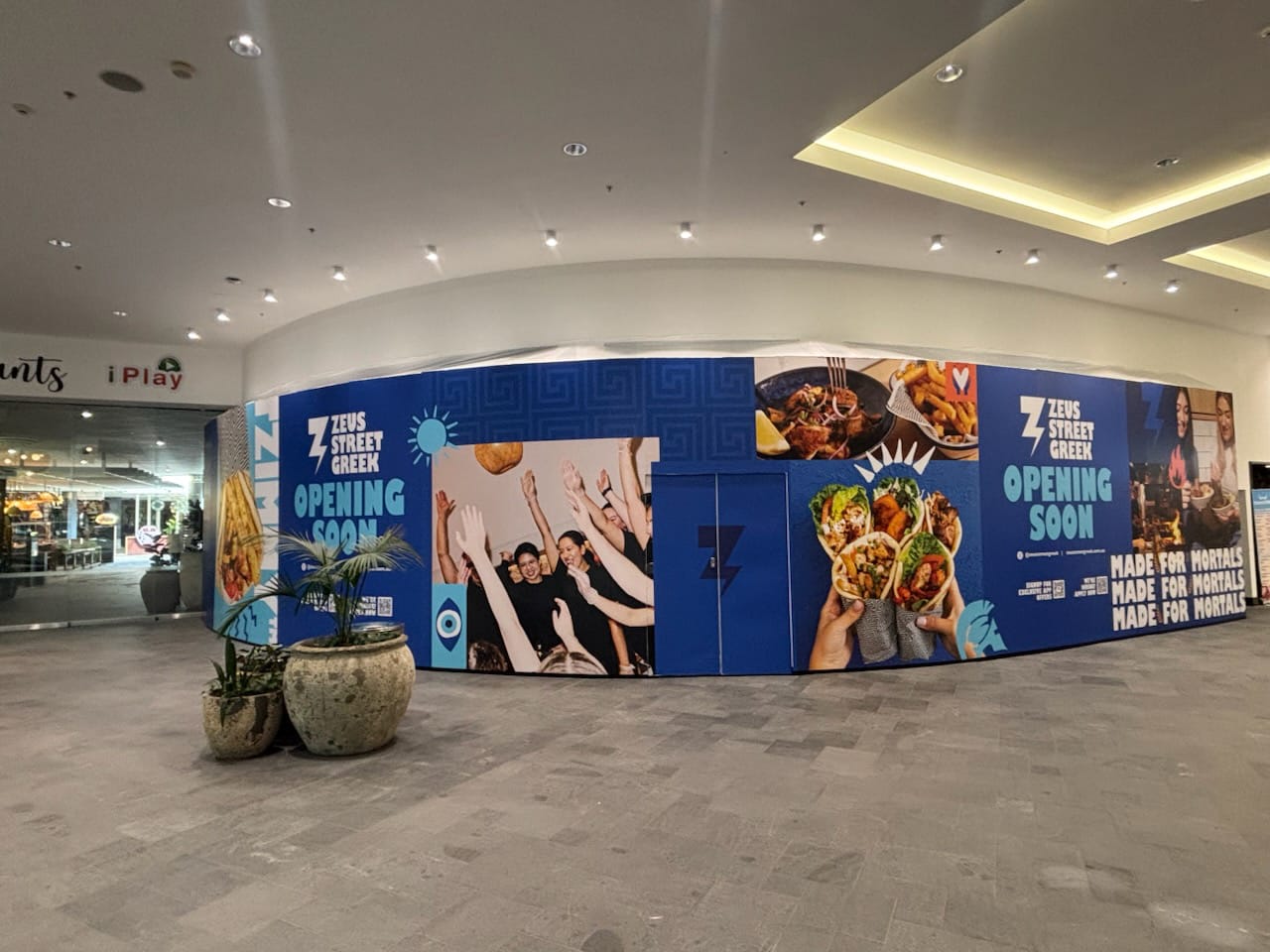
Hoarding systems for high-rise construction play a different role compared to ground-level projects. Once a site goes vertical, wind exposure, public risk, and access control become harder to manage. In Perth’s CBD and inner-city corridors, high-rise hoardings are not just perimeter barriers. They are engineered safety systems designed to protect pedestrians, manage dust, and withstand serious wind loading.
Hoardings WA supports builders and project managers working on multi-storey developments where compliance, stability, and site flow must stay locked in from day one.
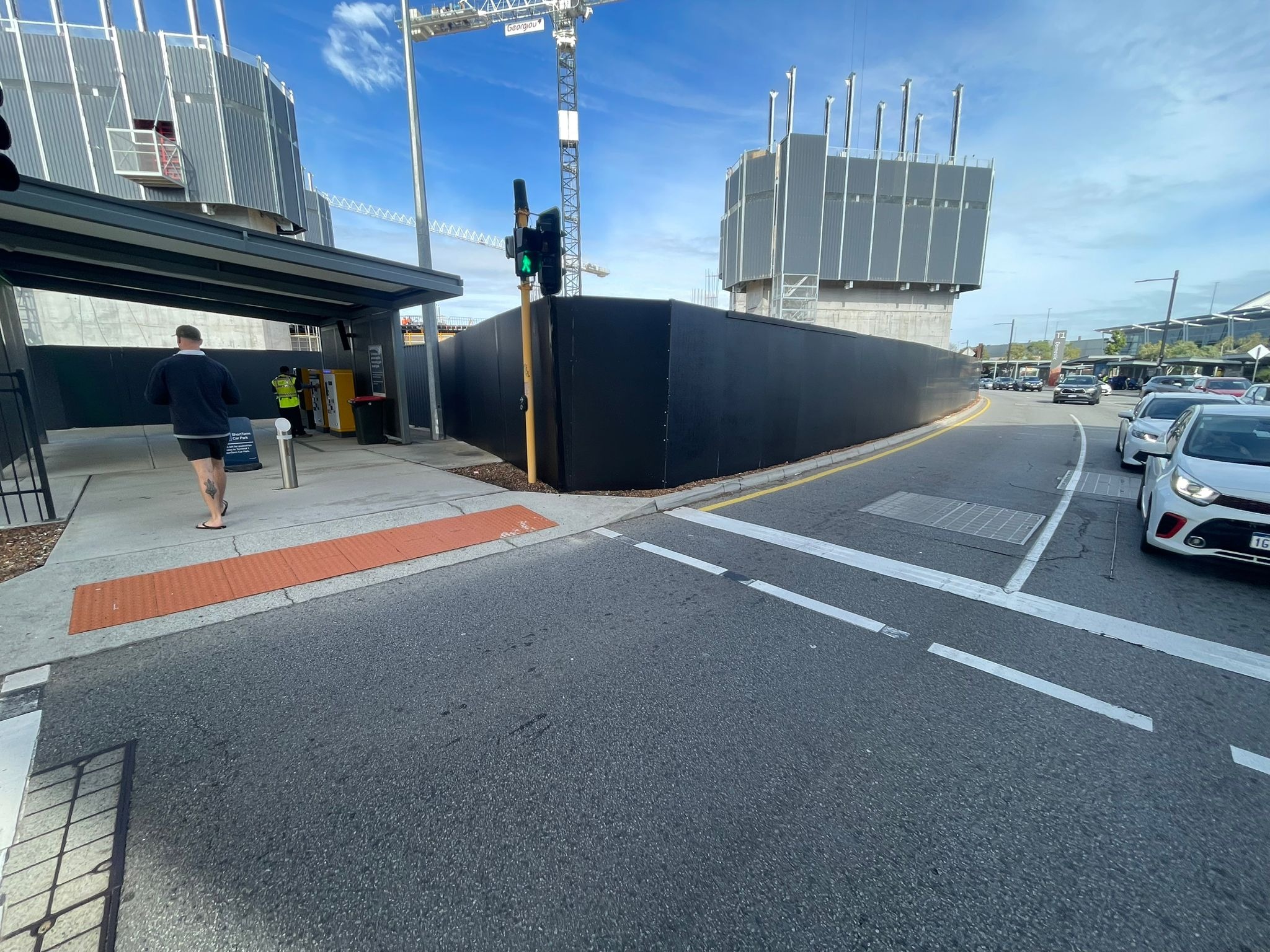
High-rise construction increases risk at street level. Falling debris, wind tunnels, and high pedestrian traffic all raise the bar for site separation. Standard temporary fencing rarely meets the requirements once buildings exceed a few storeys, especially in exposed Perth locations.
Purpose-built hoarding systems provide full enclosure, controlled access, and engineered resistance to wind and impact. On busy city sites, they are essential to keep projects compliant and reputational risk under control.
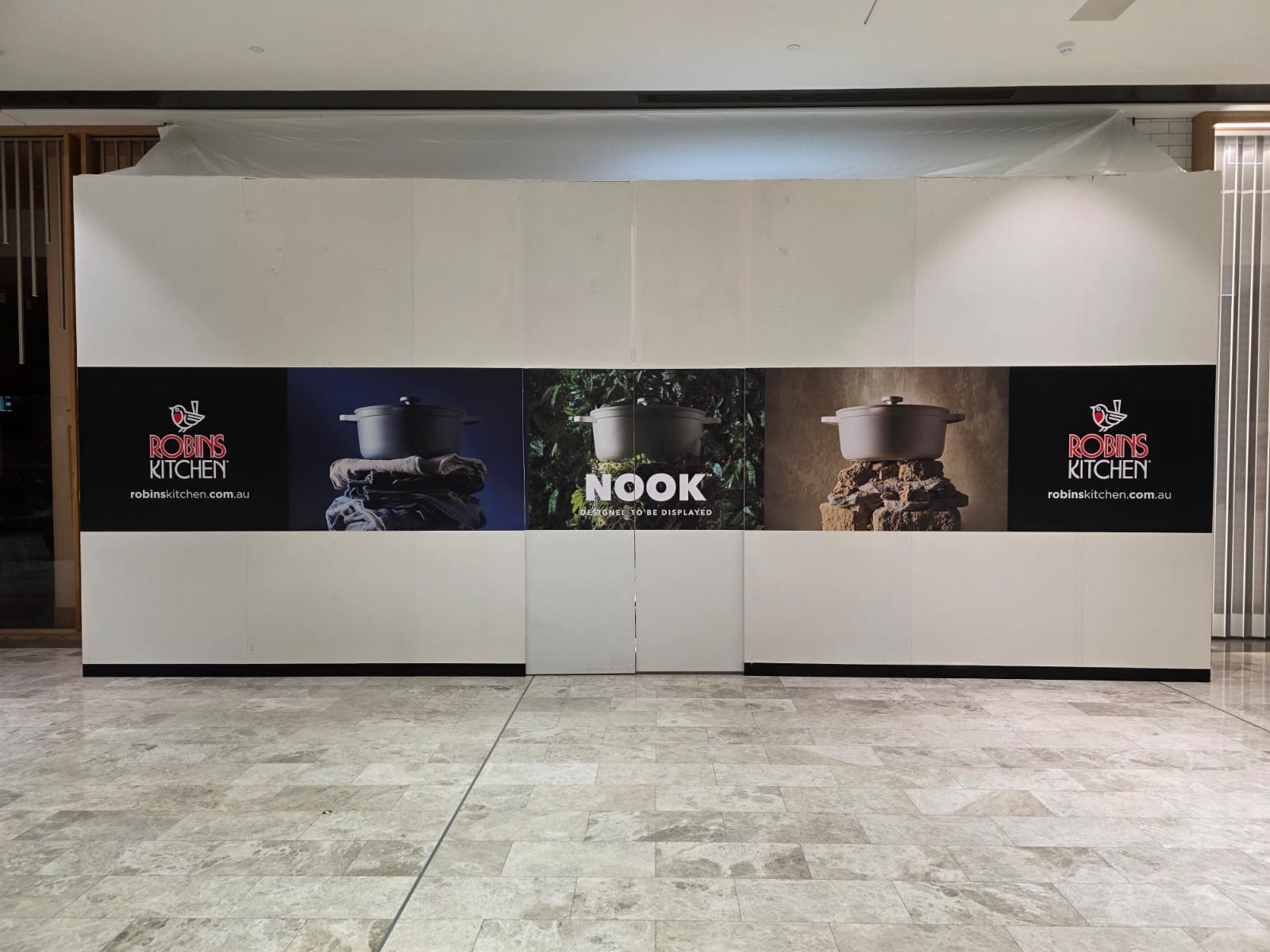
Perth’s coastal climate creates strong and unpredictable wind patterns, particularly around tall structures. Wind loading certified hoardings are designed to resist uplift and lateral pressure created by wind funneling between buildings.
On high-rise sites, hoardings must be engineered with reinforced frames, secure anchoring, and bracing that matches local wind ratings. Without certification, panels can shift or fail, leading to shutdowns and safety breaches.
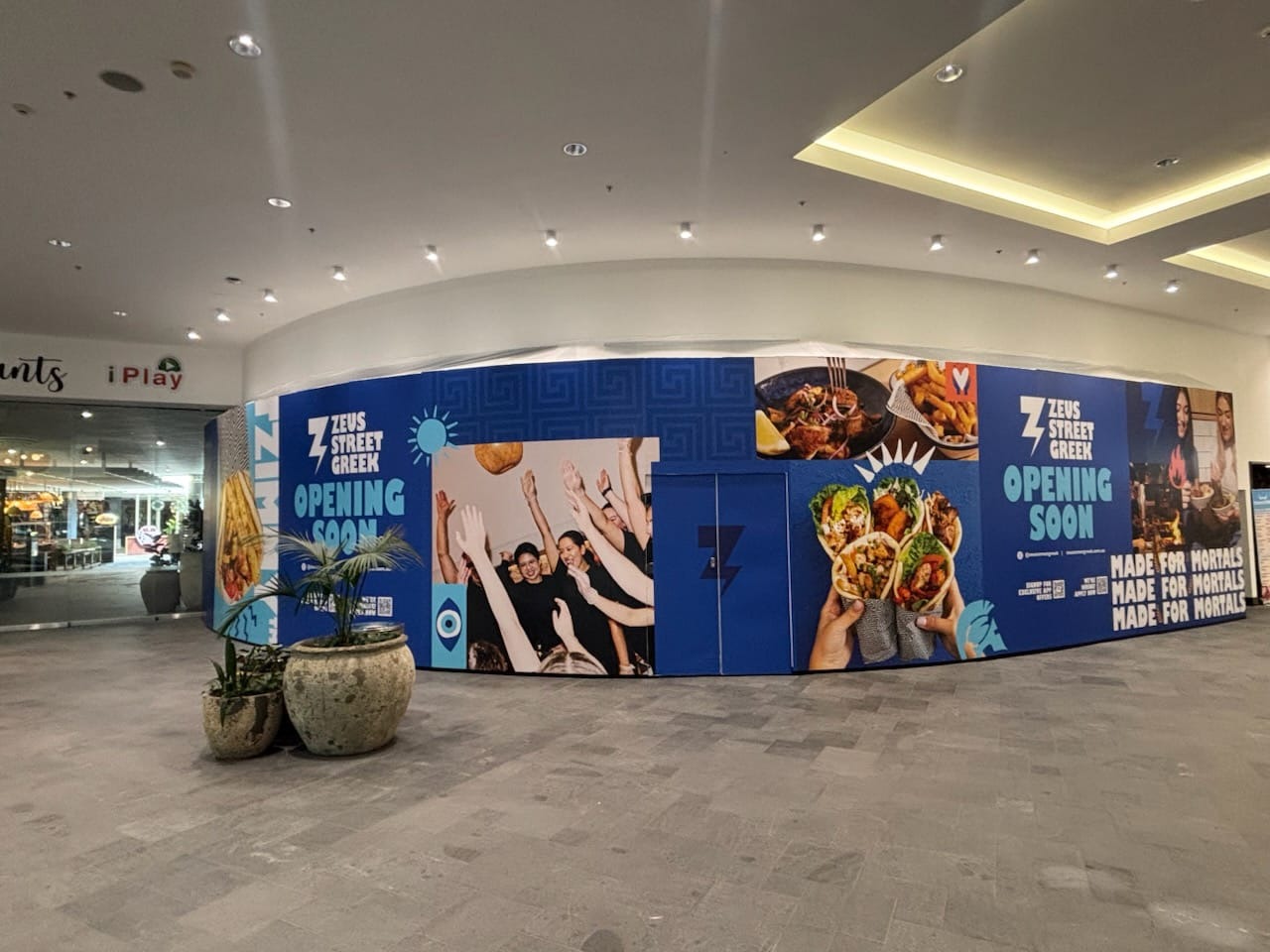
Impact certified hoardings are critical when construction activity occurs above public areas. These systems are designed to absorb force from dropped tools, materials, or debris without collapsing into pedestrian zones.
In Perth CBD projects, impact resistance is often a non-negotiable condition tied to council approval. Builders working near footpaths, laneways, or transport routes rely on impact rated hoarding to maintain safe access below active work zones.
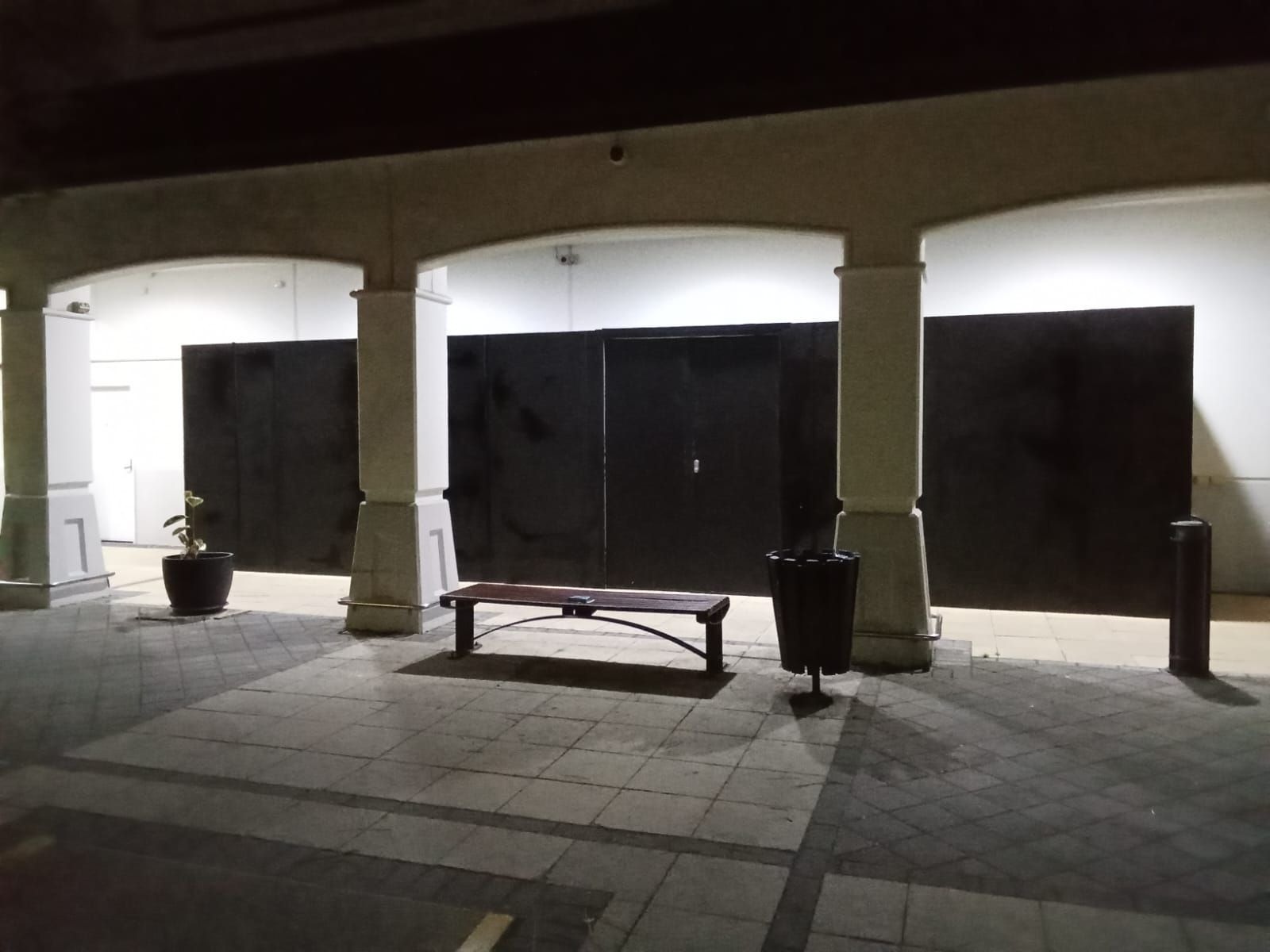
High-rise sites need clearly defined access points that do not disrupt surrounding streets. A construction portal allows vehicles, equipment, and workers to move in and out while keeping the hoarding line secure.
Well-designed portals include reinforced framing, lockable gates, and visibility controls for traffic marshals. On tight Perth streets, this reduces congestion and helps sites operate without constant council complaints.
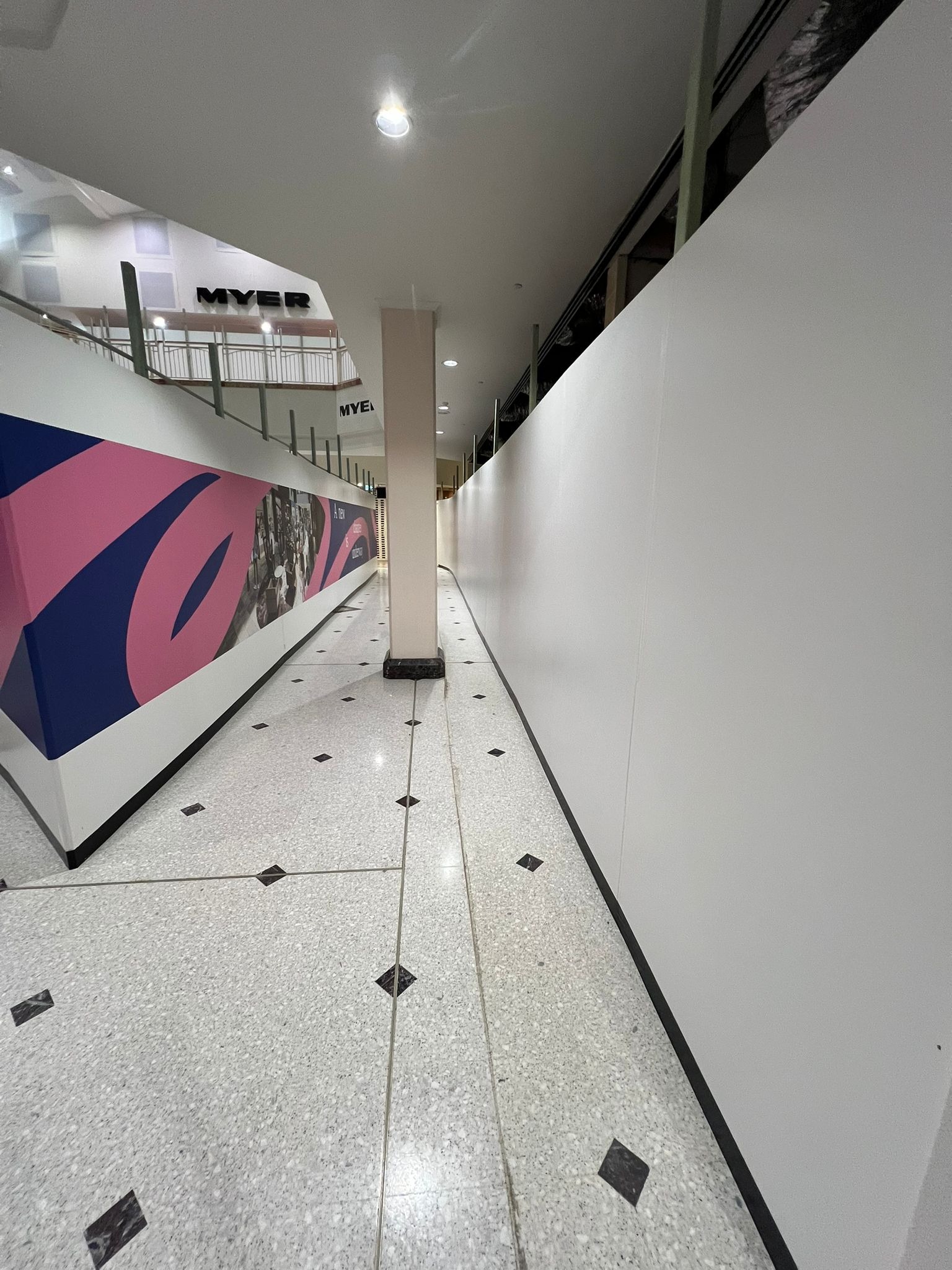
Dust behaves differently on tall builds. Wind carries it further, and negative pressure around high-rise structures can pull fine particles into public areas. A dust suppression work zone uses solid hoarding, sealed joins, and internal barriers to control spread.
Retail neighbours, offices, and residential towers nearby benefit directly from this setup. Builders benefit too, because complaints and stop-work orders drop fast when dust is managed properly.
Temporary fencing still has a place during early ground works, but its usefulness drops as soon as the structure rises. Mesh fencing offers minimal dust control, little impact resistance, and poor performance in high winds.
Most high-rise projects transition from temporary fencing to solid hoarding systems once structural works begin. Planning this change early prevents rushed installs and compliance gaps.
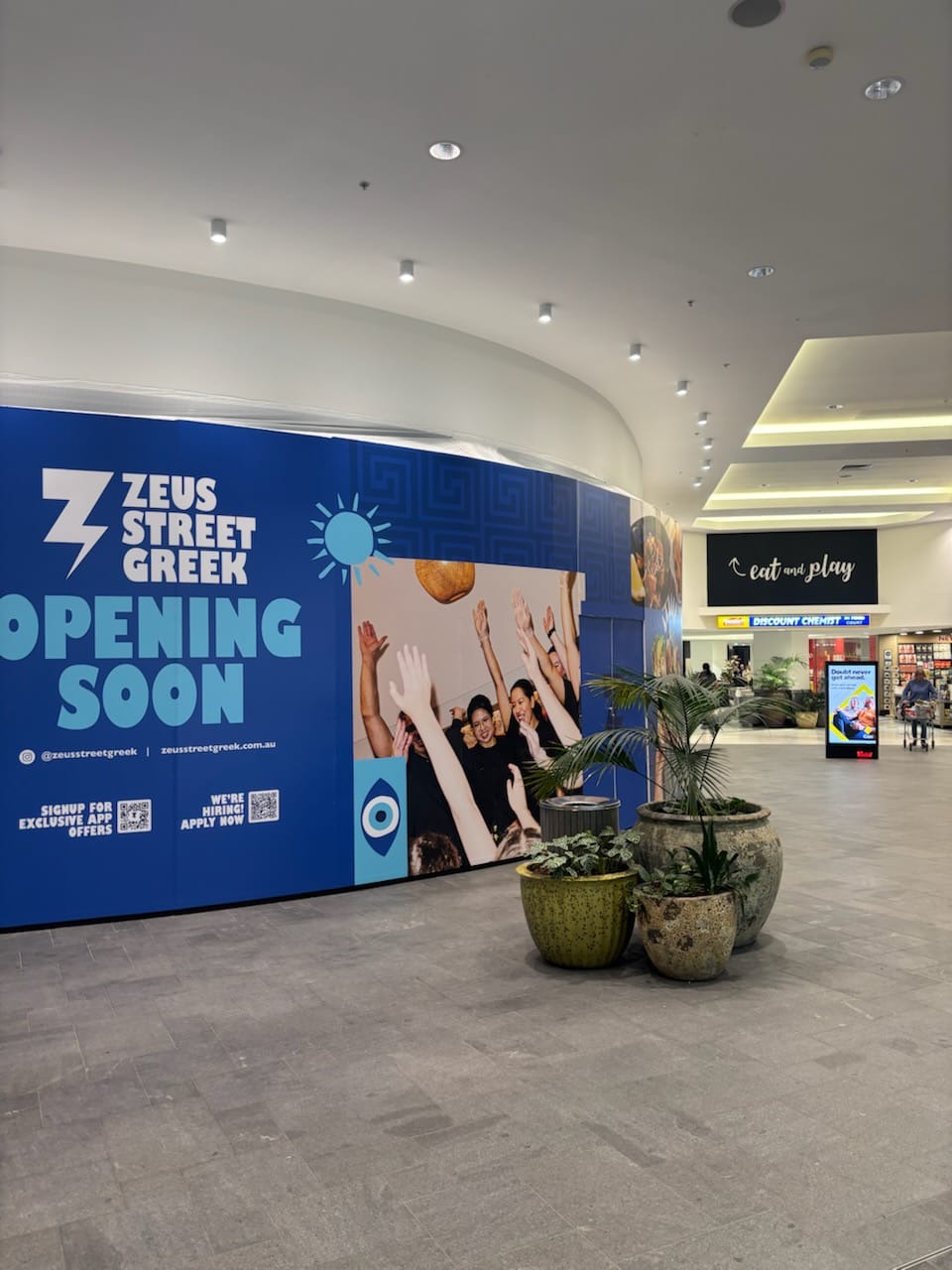
A recent Perth CBD high-rise required continuous pedestrian access beneath active upper floors. The solution used wind loading certified hoardings combined with impact rated panels and integrated construction portals. The hoarding line stayed in place for over twelve months without incident, even during winter wind events.
Local council inspections passed without issue because the system was designed specifically for high-rise exposure, not adapted from low-rise setups.
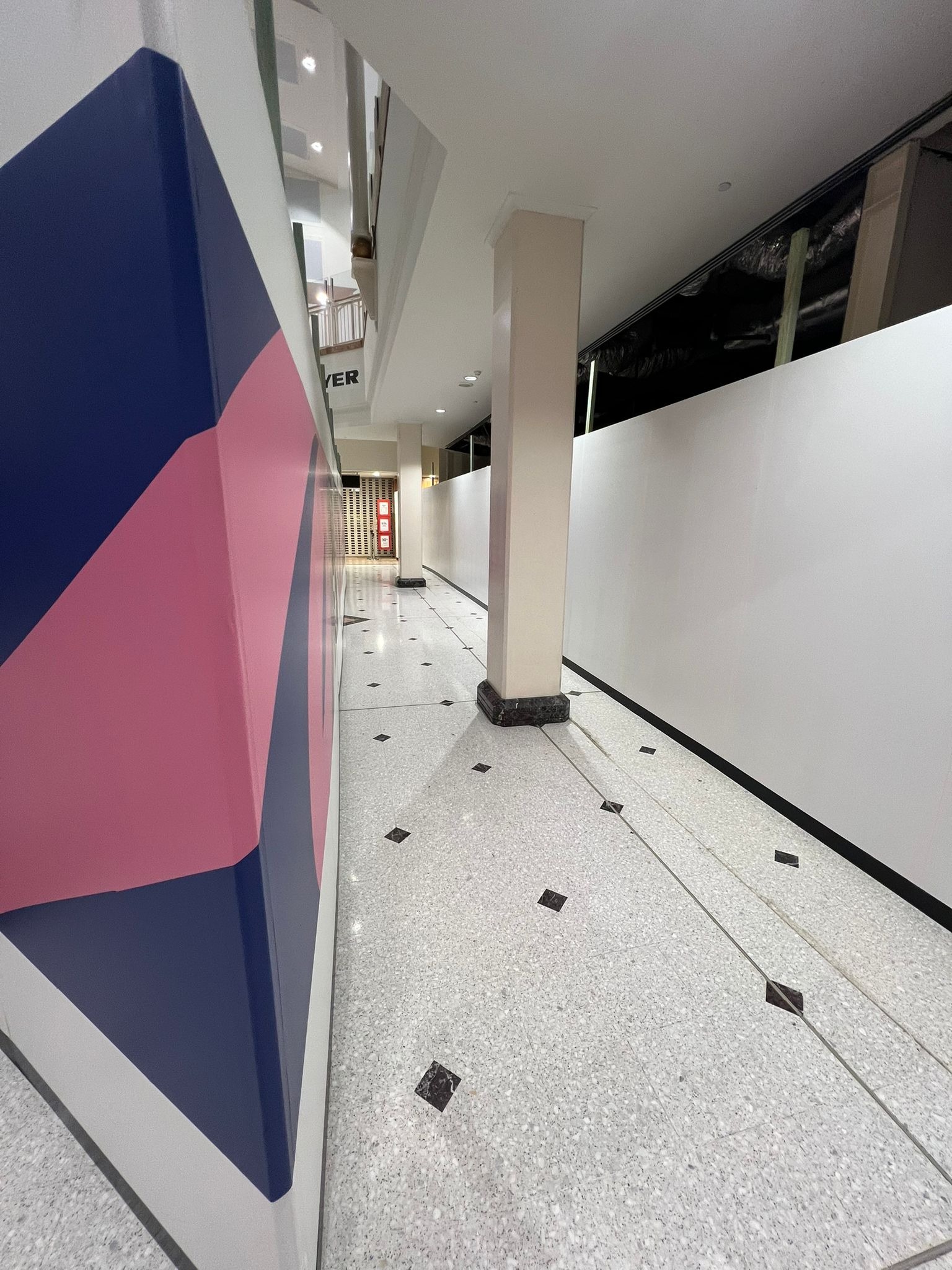
Most builders choose to rent hoarding systems for high-rise construction due to changing site conditions. As the building rises, hoarding requirements evolve. Renting allows upgrades to stronger panels, portal adjustments, and reconfiguration without sunk costs.
Hoardings WA supports long-term rental setups that include inspections, maintenance, and compliance checks throughout the project lifecycle.
High-rise hoardings must handle higher wind loads, falling object risks, and heavier pedestrian exposure than low-rise sites.
On exposed or multi-storey projects, yes. Councils and engineers expect certification aligned with local wind conditions.
Only during early stages. Once the building rises, solid hoarding systems are usually required.
A construction portal controls vehicle and personnel access through the hoarding line without compromising site security.
They typically remain for the duration of structural and façade works, with inspections carried out regularly.
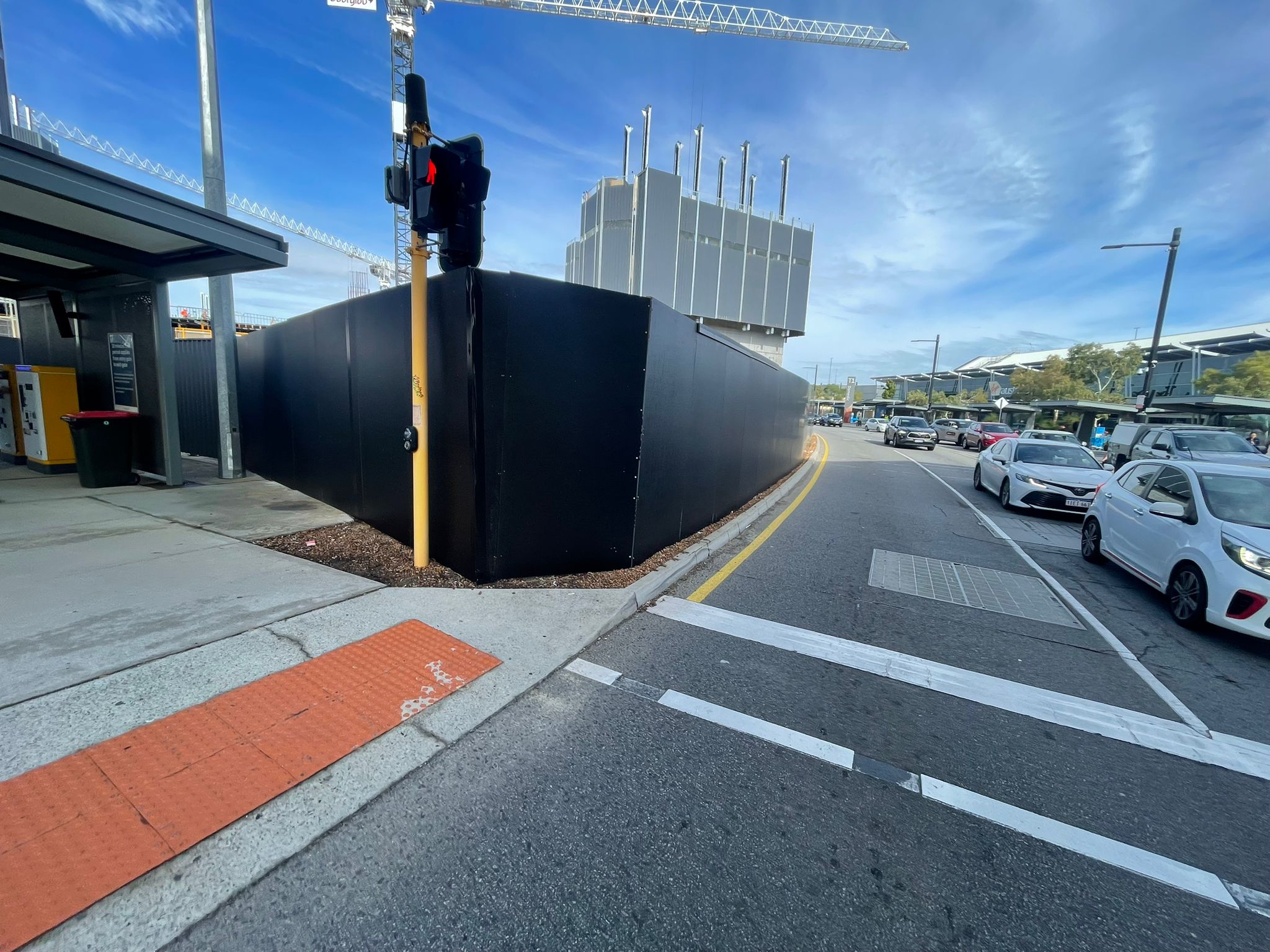
Construction hoarding tips matter because the wrong setup slows down a site, frustrates councils, and puts your workers at risk. Hoardings WA deals with this stuff every day across Perth’s retail fit-outs, commercial builds, and event sites. If you want hoarding systems that comply, last, and keep your project moving, the guide below cuts straight to what works.
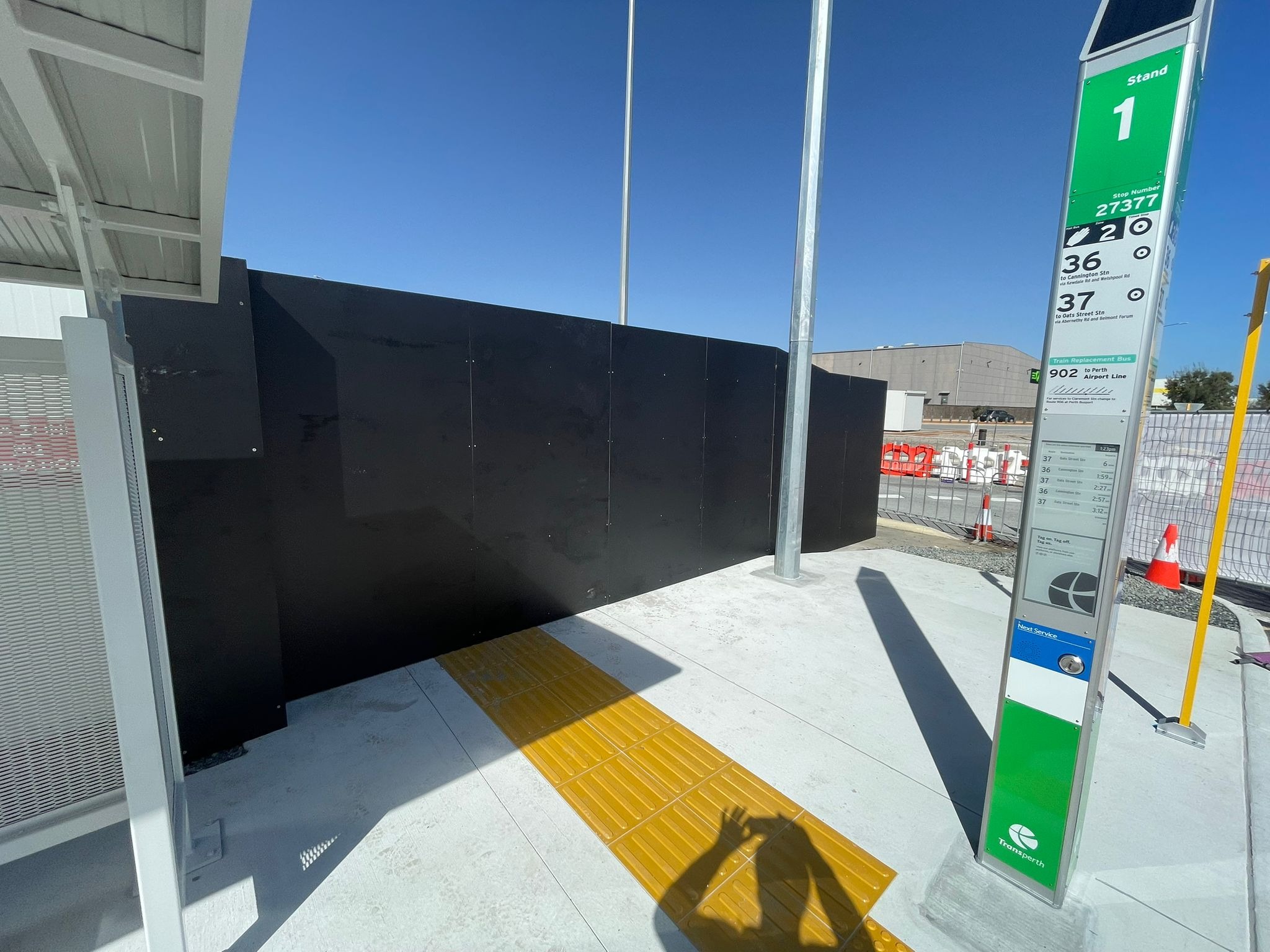
Strong hoarding gives you control. It protects foot traffic, shields active work zones, and keeps project areas secure. Perth councils expect solid compliance, from CBD retail strips to industrial corners in Osborne Park or Welshpool, so your hoarding design needs to match both the environment and the risk level.
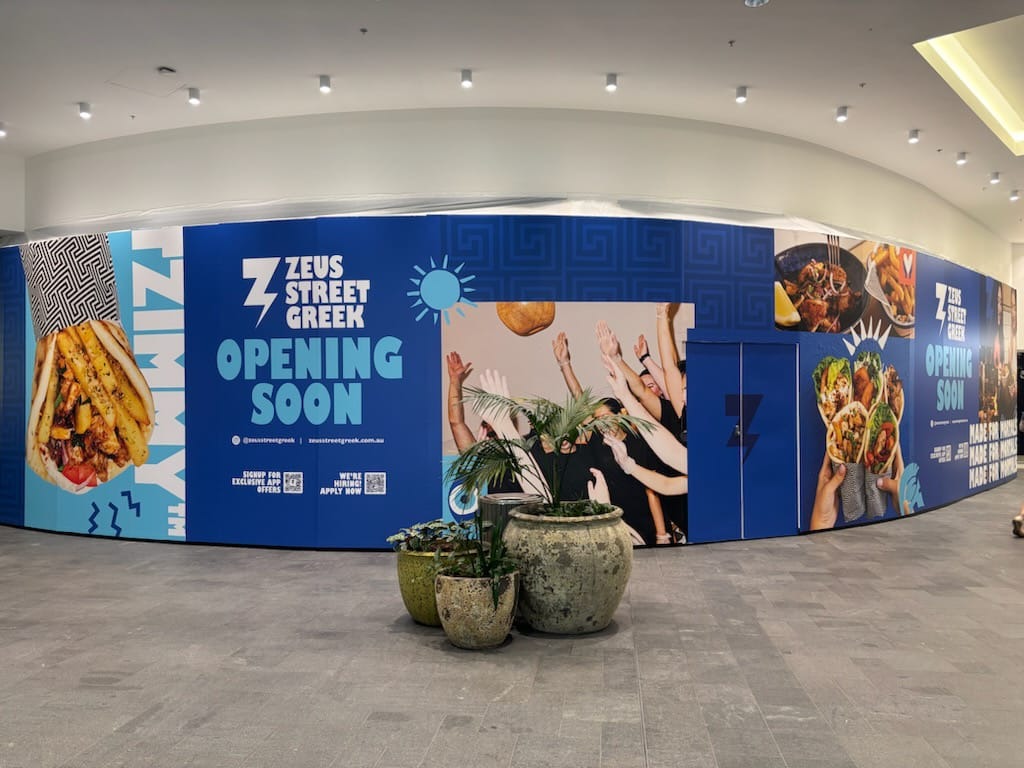
Choosing between temporary fencing and solid hoarding depends on visibility, foot traffic, and how sensitive the work is. Retail strips usually need full panels to hide messy fit-outs, while industrial sites lean toward mesh if visibility helps operations.
| Requirement | Temporary Fencing | Solid Hoarding |
| Privacy | Low | High |
| Security | Moderate | High |
| Branding Space | Limited | Full surface |
| Wind Load | Lower | Higher, needs bracing |
| Best For | Events and low-risk zones | Retail, CBD, long-term works |
The busiest sites in Perth need hoarding that holds firm, handles wind, and doesn’t interrupt public flow. A simple rule: the more foot traffic around you, the stronger the structure and the more important the sightlines. Retail alleys in the CBD or major shopping centres like Carousel and Karrinyup benefit from tall, fully braced hoardings with clean surfaces ready for messaging.
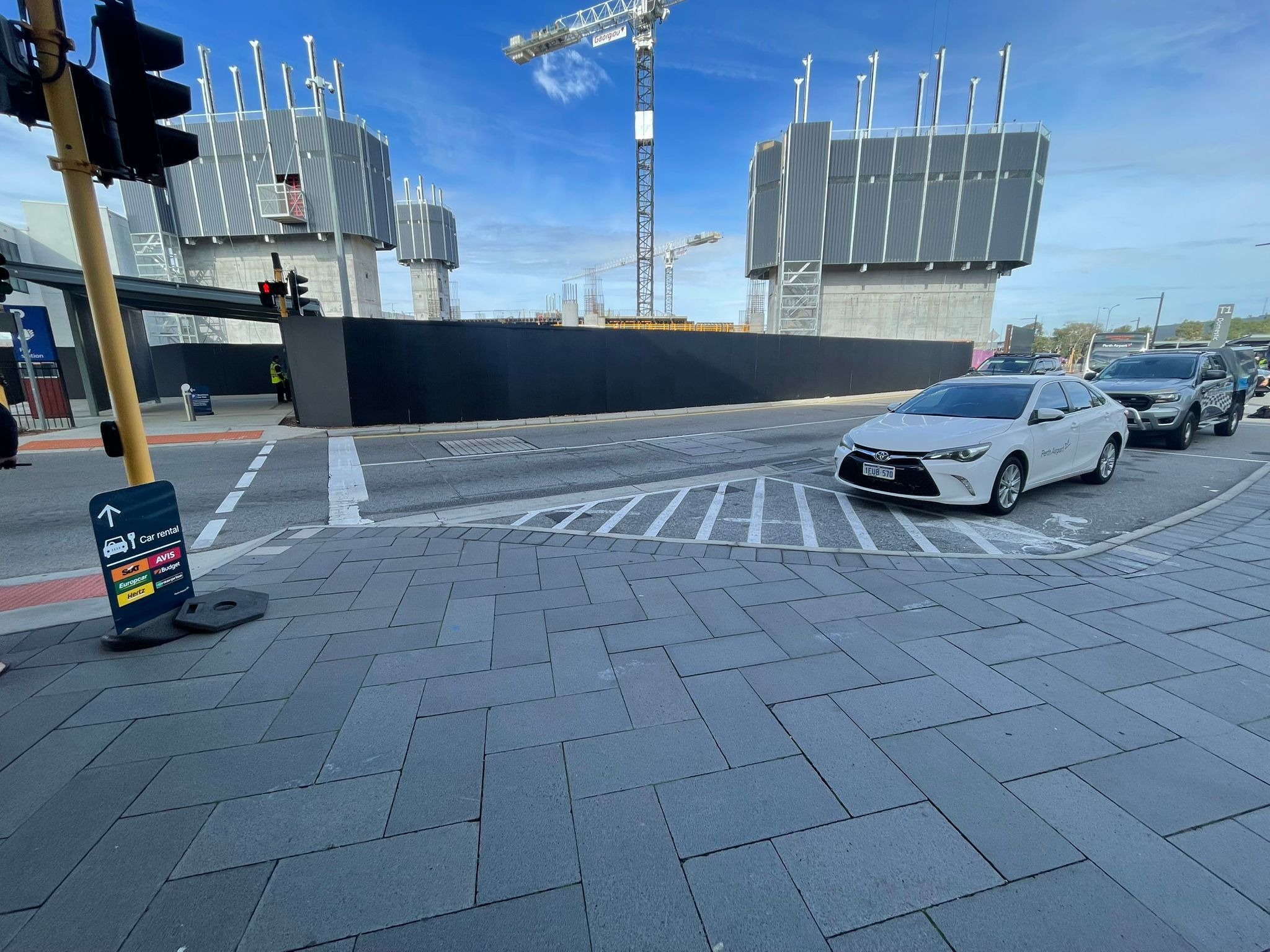
Every hoarding system must handle WA’s wind ratings and WorkSafe WA requirements. Your hoarding crew should understand load conditions, bracing requirements, and panel weight. Look for a provider that has experience with Perth’s tighter CBD restrictions and can handle shire-specific permits for places like Stirling, Vincent, or the City of Perth.
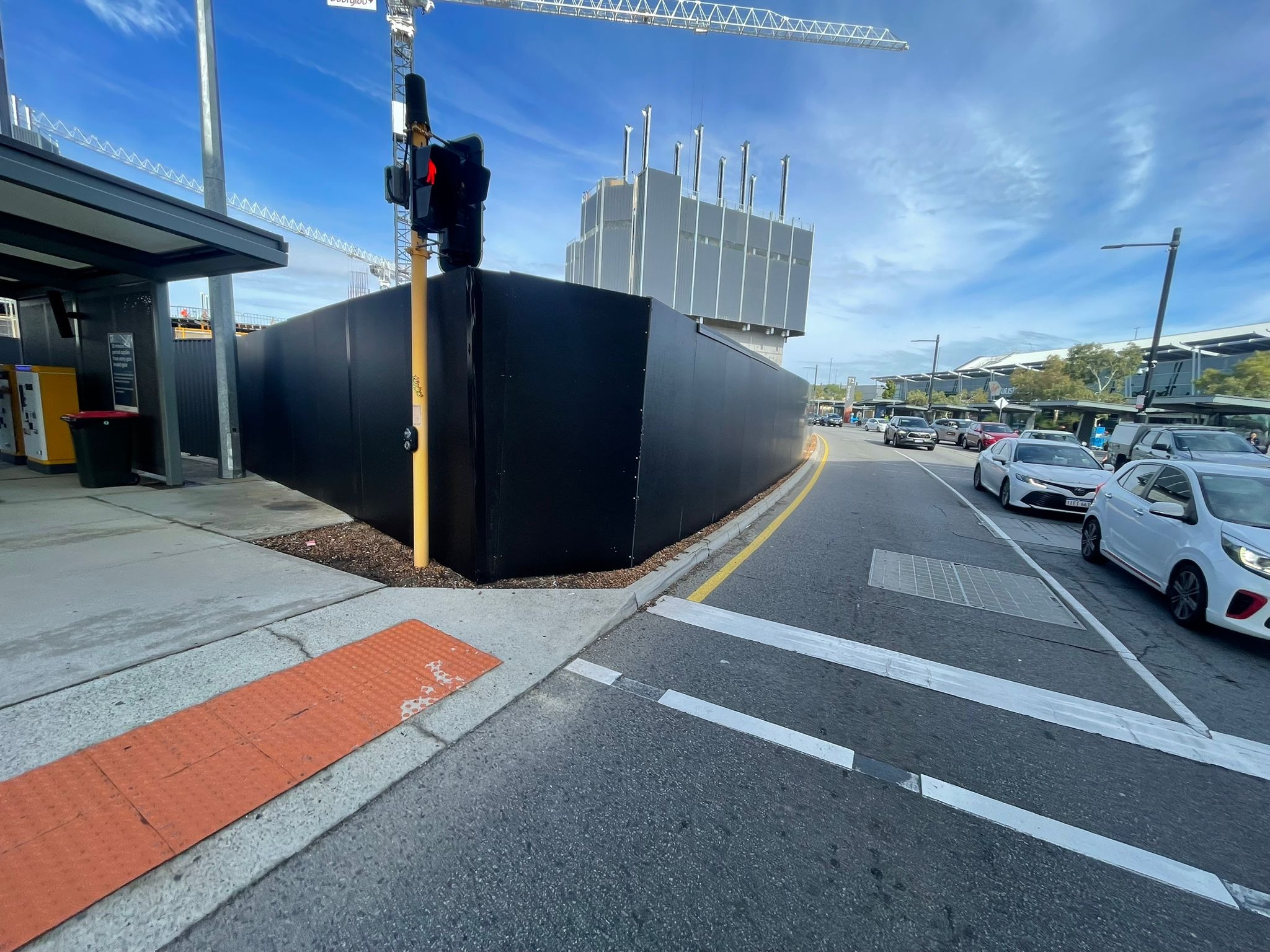
Hiring hoardings gives you flexibility. Fit-outs often run shorter than planned, while commercial renovations stretch longer than expected. Renting lets you scale up or down and gives you access to better hardware without the long-term storage headache. Hoardings WA routinely adjusts rental setups when project scopes change, which saves businesses time and keeps compliance intact.
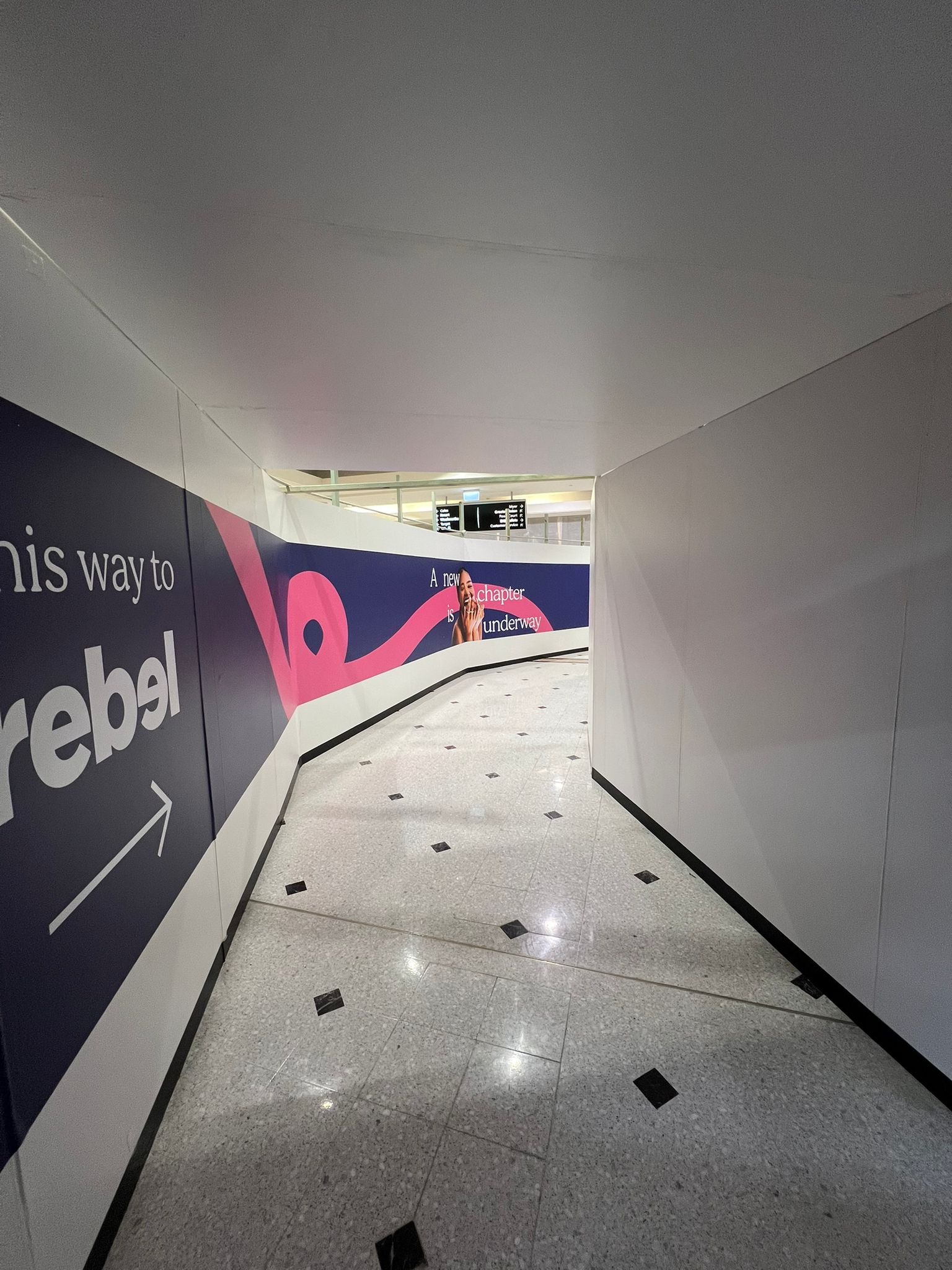
Event producers love modular event walls because they set up quickly and look sharp. Perth events often face tight deadlines, so the walls need to be transportable, smooth-faced, and easy to brand. The right setup prevents delays during bump-in and stops the classic last-minute scramble that increases labour cost.
A recent CBD fit-out needed overnight installation to avoid disrupting nearby tenants. The site required solid hoarding, reinforced bracing, and clean surfaces for immediate tenancy branding. Because the hoarding team knew the City of Perth’s approval quirks, the store opened on schedule without compliance issues or rework. Strong planning saved the builder two full days.
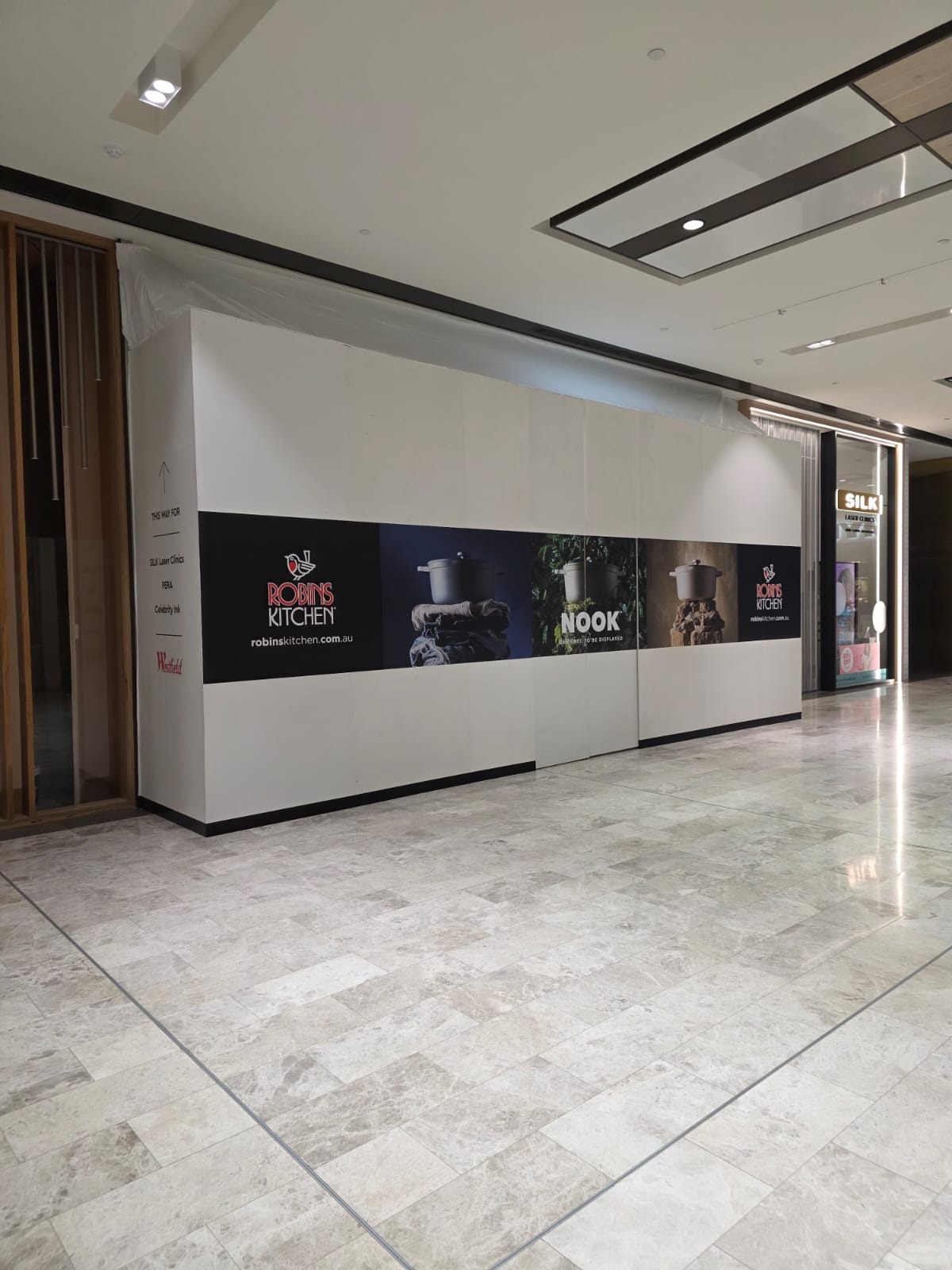
Pricing shifts based on height, panel type, bracing, access points, and project duration. Solid hoarding costs more upfront but often reduces downtime because it lasts longer in rough conditions. Temporary fencing is cheaper day one, but for long projects the rental costs narrow the gap. Perth’s wind conditions also influence the engineering needed, which affects the final quote.
A clean hoarding install starts with site assessment, followed by panel selection, engineering checks, and ground preparation. Once installed, regular inspections keep everything tight, especially after heavy winds or high public traffic days. Smart operators treat hoarding the same way they treat scaffolding: check it early, check it often.
Usually yes. The City of Perth requires approval for anything blocking public access or altering pedestrian flow. Consult the guidelines early to avoid hold-ups.
Most commercial zones use panels around 2.1 to 2.4 metres high, but retail strips often want higher panels for privacy and branding.
It can for low-risk or short-term work, but it won’t deliver privacy or strong security. Anything involving public traffic usually needs solid hoarding.
Small sites can be done within hours. Larger commercial zones or complex corners in the CBD may require staged installation across one or two nights.
Solid hoarding with engineered bracing is the safest choice. WA’s coastal winds punish under-braced structures, so engineering checks are essential.
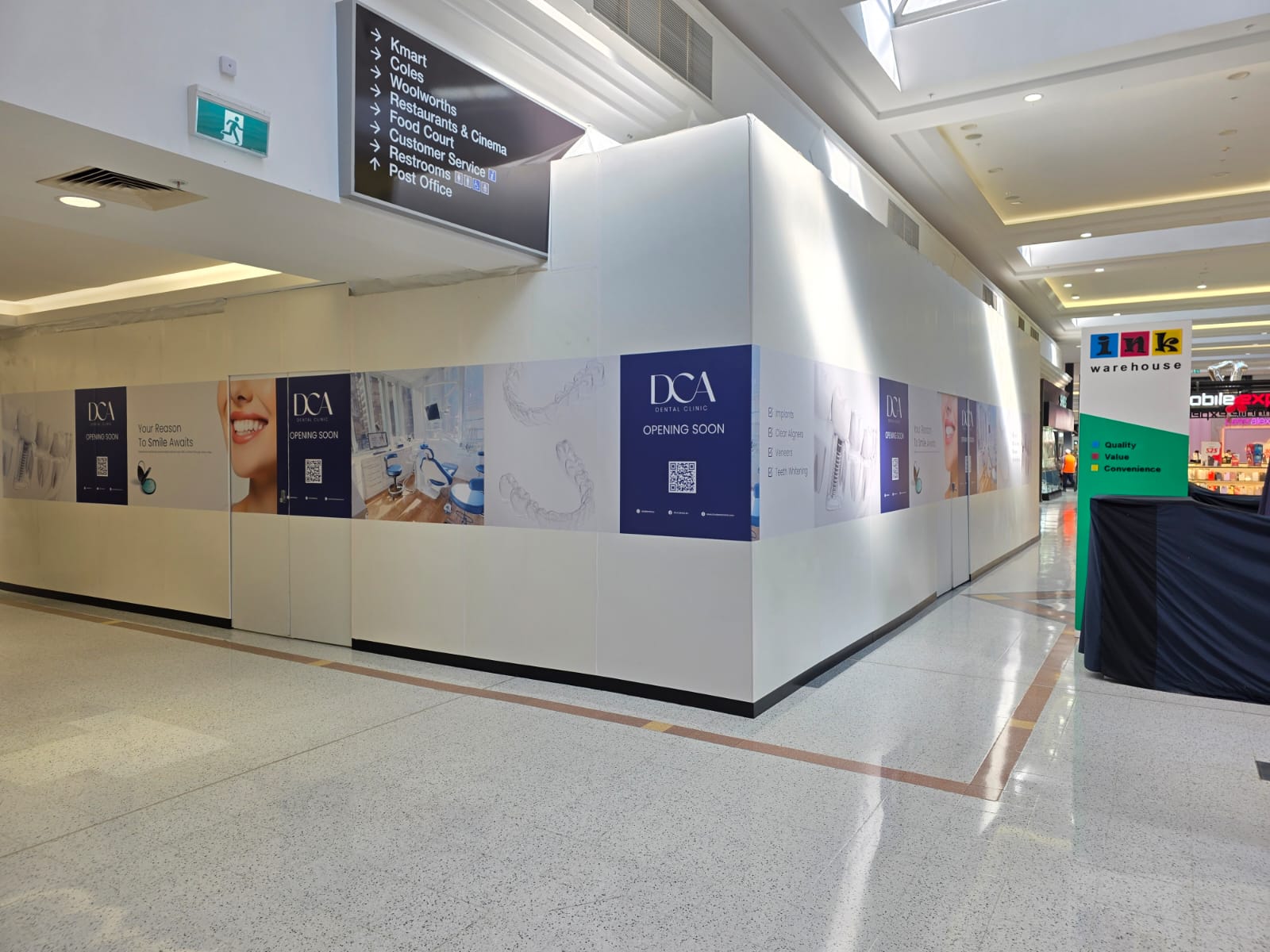
Hoarding projects keep Perth sites safe and organised. Hoardings WA delivers secure, compliant setups that help businesses work without disruption.

Retail hoardings keep stores safe during works and boost visibility. Hoardings WA provides secure, compliant solutions suited to any retail project.
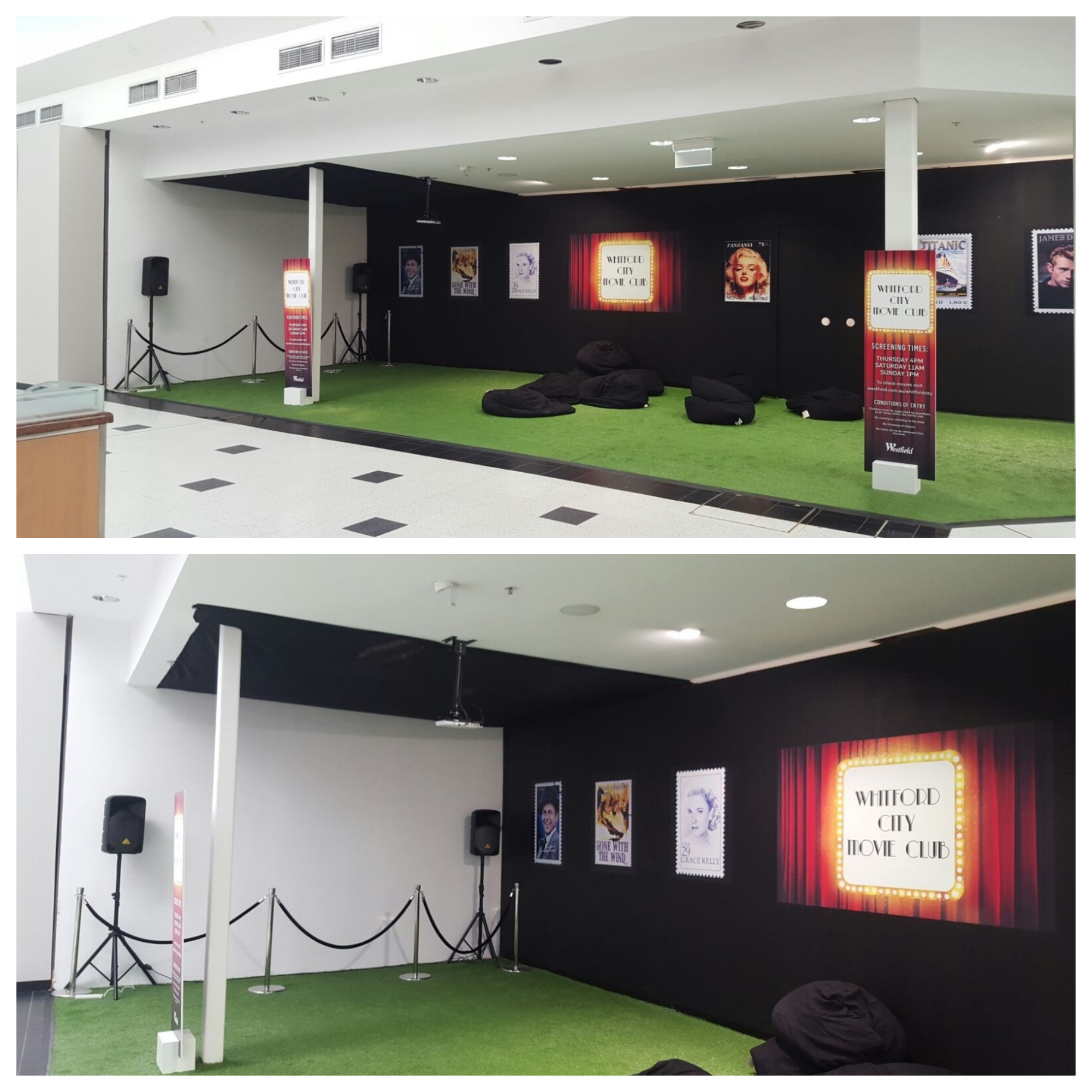
Hoarding maintenance keeps sites safe and compliant. Hoardings WA breaks down what’s included, from checks and repairs to keeping barriers secure.




© 2026 Hoardings WA. Terms and conditions
Recent Comments