
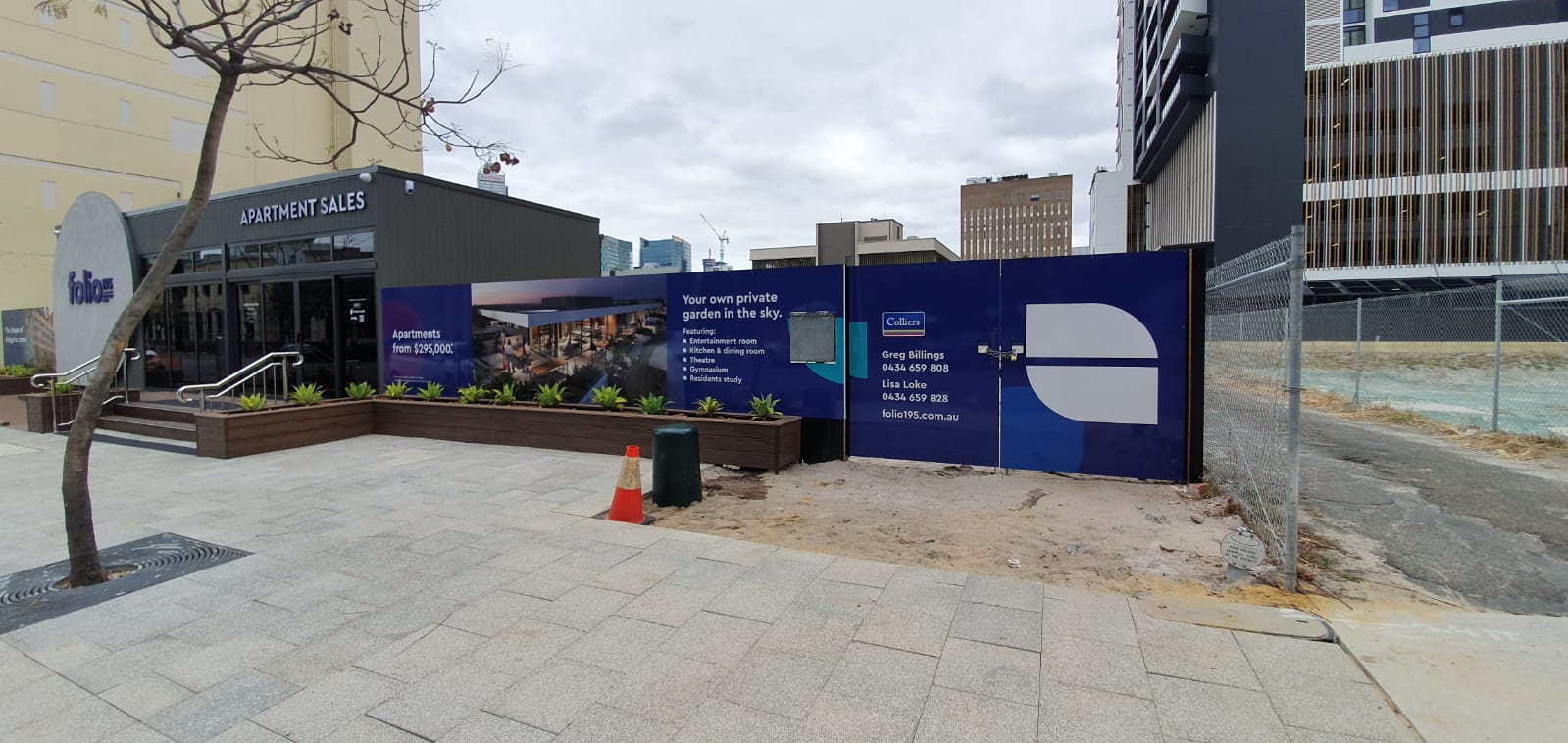
Safety precautions provided by hoarding systems are one of the most underestimated controls on a construction site. In Perth, where public access often runs right alongside live works, hoarding systems act as the first physical barrier between construction risk and everyday foot traffic. When installed correctly, they reduce injuries, limit liability, and keep projects compliant with WA safety expectations.
Hoardings WA installs construction hoarding across retail centres, street-front projects, and commercial builds where safety failures are simply not tolerated.

How Hoarding Systems Reduce Public Risk at Site Boundaries
Hoarding systems create a fixed separation between people and active construction zones. This separation prevents accidental entry, limits exposure to hazards, and controls how close the public can get to machinery, tools, and materials.
On Perth sites with constant pedestrian movement, hoardings reduce unpredictable behaviour like leaning, peering through gaps, or stepping into restricted areas. That predictability is what keeps safety plans intact.
Containing Falling Object Hazards with Construction Hoarding
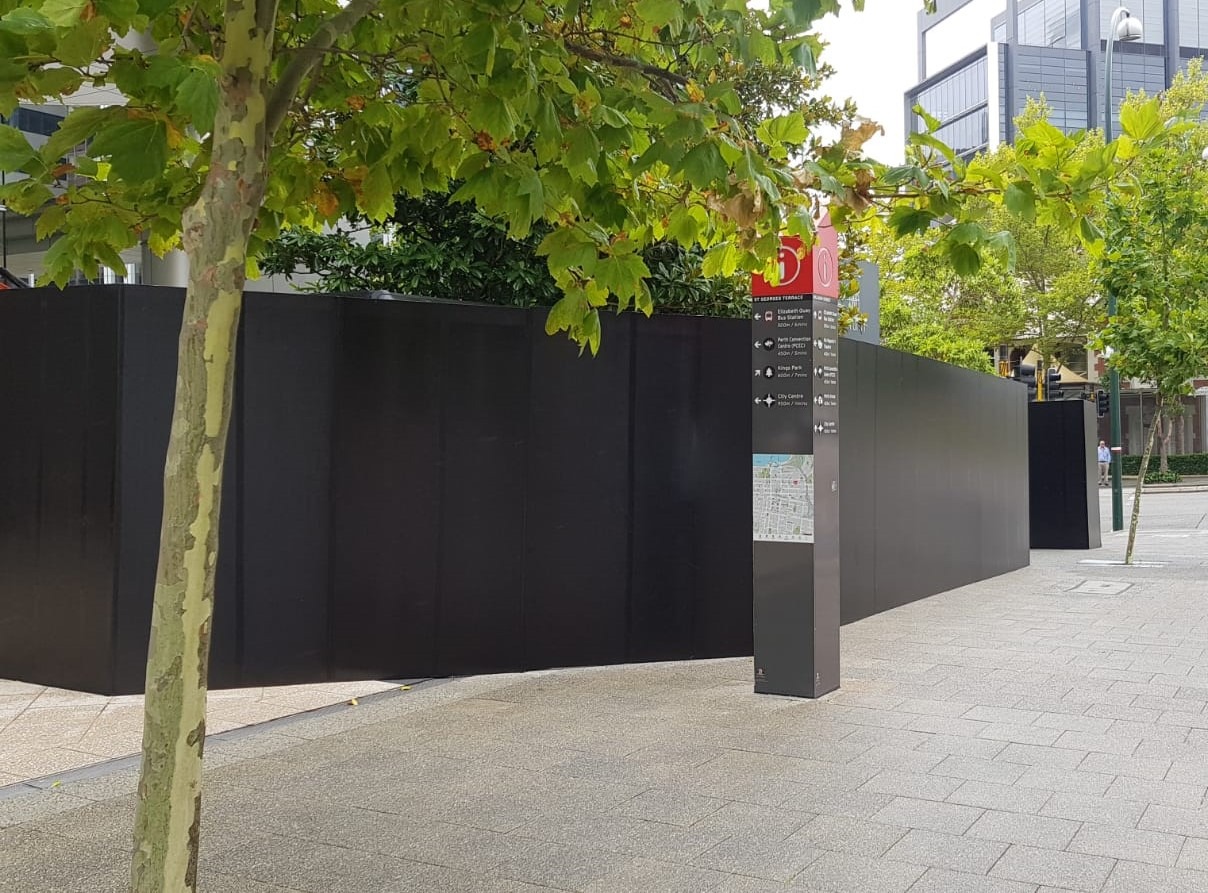
One of the biggest risks on any construction site is falling objects. Construction hoarding provides a physical shield that stops debris from reaching public walkways, shopfronts, and access paths.
In busy Perth environments, especially where works occur above head height, solid hoarding systems are expected. They protect not just pedestrians, but also workers moving between zones at ground level.
Temporary Fencing and Its Safety Limitations
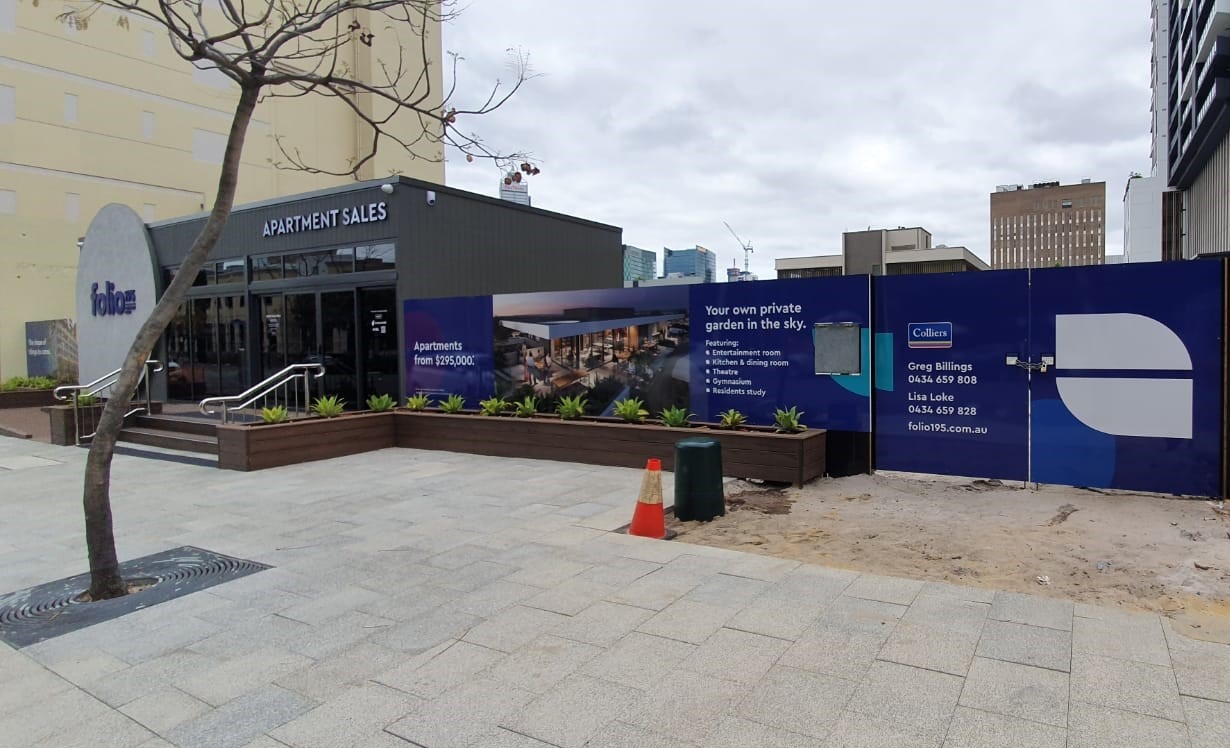
Temporary fencing offers basic boundary definition but limited safety control. Mesh panels do not stop dust, debris, or small falling items, and they invite interaction from passers-by.
On sites where the public is close, temporary fencing is usually restricted to early stages only. As risk increases, Perth builders are expected to transition to solid construction hoarding to maintain safety standards.
Shopfront Hoarding Safety in Active Retail Environments
Shopfront hoarding protects customers and staff during retail defits and fit-outs. Retail environments demand a higher level of control because people linger, browse, and queue near works.
Shopfront hoarding systems are fully enclosed, sealed at joins, and built to resist impact. This prevents tools, materials, or dust from entering public areas while allowing neighbouring stores to trade safely.
Retail Hoarding and Crowd Control Safety
Retail hoarding does more than block hazards. It manages crowd movement. Clear hoarding lines guide foot traffic, prevent congestion, and reduce the chance of people stopping suddenly near work zones.
In Perth shopping centres and street-front retail strips, well-planned hoarding layouts are part of the overall safety strategy, not a visual afterthought.
Dust and Airborne Hazard Control at Ground Level
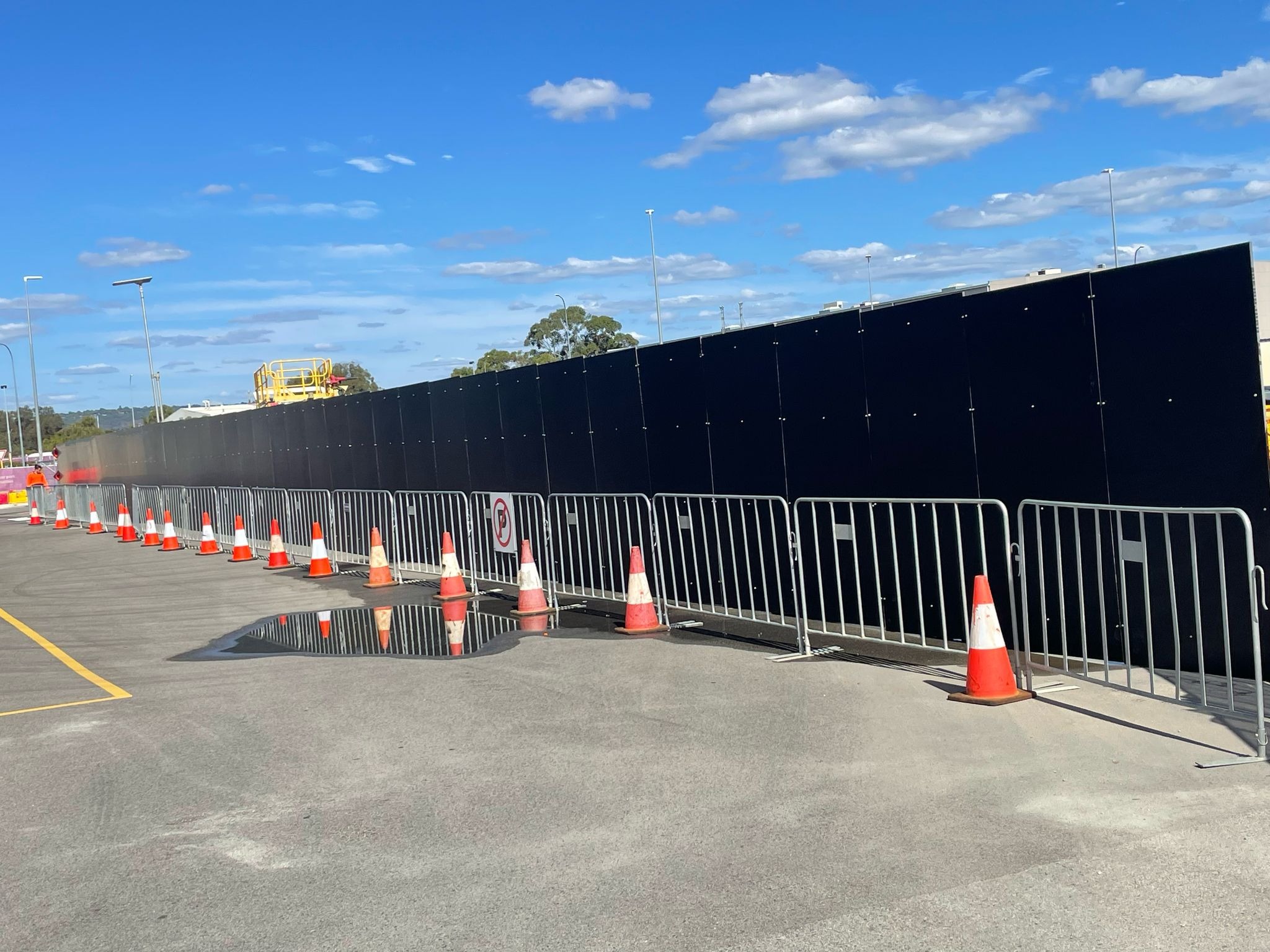
Dust is a safety issue, not just a cleanliness problem. Hoarding systems help create containment zones that limit how dust and fine particles move through public areas.
Solid hoarding panels with sealed edges reduce airflow at ground level, which is critical in Perth’s windy conditions. This protects nearby businesses, food outlets, and office tenants from exposure complaints.
Structural Stability and Wind Safety
Perth’s weather puts pressure on poorly installed hoardings. Wind gusts around open streets, corners, and taller buildings can cause movement or failure if systems are not properly engineered.
A stable hoarding system protects the public by staying exactly where it is meant to stay. Regular inspections and secure anchoring are essential parts of ongoing site safety.
Safety Responsibilities During the Life of the Project
Hoarding safety does not end after installation. Panels are touched, knocked, and sometimes damaged as works progress. Ongoing checks ensure that hoarding systems continue to provide the safety precautions they were installed for.
On Perth sites, damaged hoarding is often flagged quickly by centre management, councils, or safety officers. Prompt repairs prevent escalation and protect the builder’s safety record.
Local Perspective from Perth Sites
Perth construction frequently happens in tight, public-facing environments. Narrow footpaths, active retail strips, and mixed-use developments leave little margin for error.
Builders who prioritise hoarding safety early tend to avoid incidents, complaints, and compliance issues. Those who treat hoarding as a temporary inconvenience usually pay for it later through rework or delays.
FAQ
What safety precautions do hoarding systems provide
They prevent unauthorised access, protect against falling objects, control dust, and separate the public from construction hazards.
Is construction hoarding required for public-facing sites in Perth
In most cases, yes. Councils and WorkSafe WA expect solid barriers where public risk exists.
Can temporary fencing meet safety requirements
Only for low-risk or early works. It does not provide sufficient protection in busy environments.
Why is shopfront hoarding considered high priority
Because customers and staff remain close to works throughout the day, increasing exposure to risk.
Who is responsible for hoarding safety on site
The builder or principal contractor is responsible for installation, maintenance, and ongoing safety compliance.