Construction Barriers Are No Longer Just About Blocking Roads
Most people outside construction barely notice barriers. They drive past them every day without thinking twice. Builders, traffic controllers, and site managers see them differently. To them, barriers are the difference between a controlled site and complete chaos.
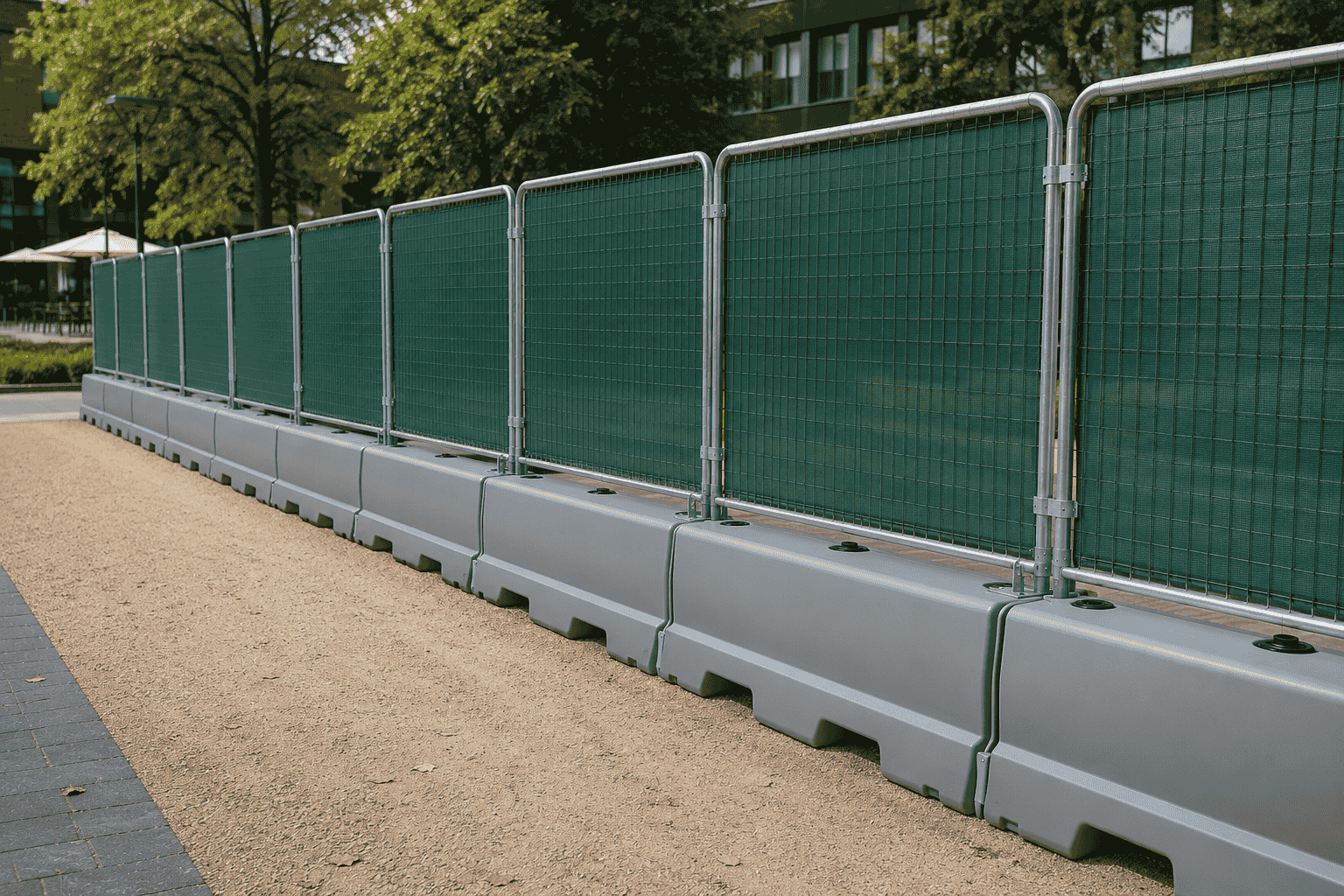
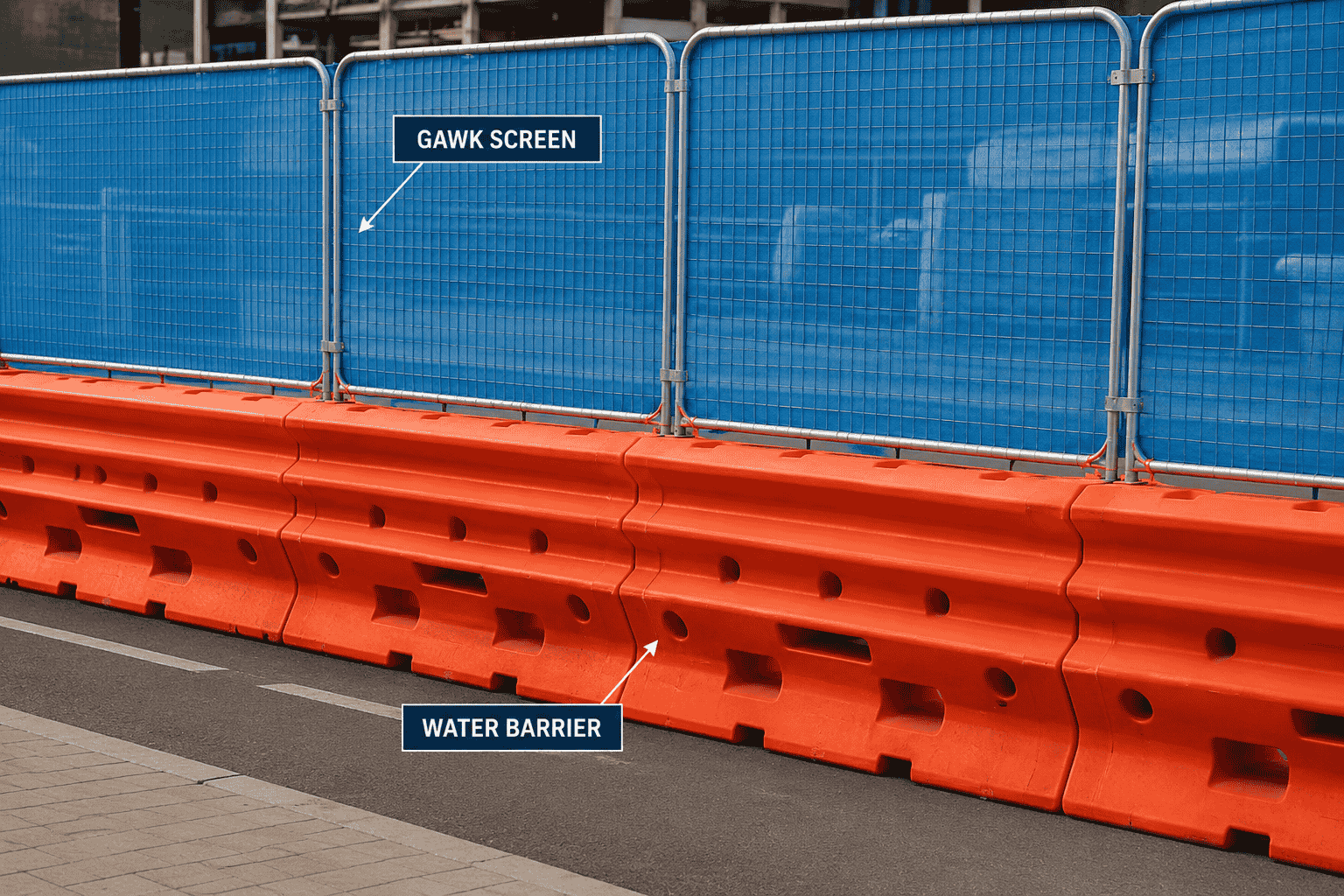
That’s why the rise of the water barrier with GAWK screen across Perth construction projects is not random. It solves multiple problems at once without turning a work zone into a concrete fortress.
Why Jersey Concrete Barriers Still Matter
Traditional setups still have their place. Jersey concrete barriers remain one of the toughest physical protection systems available. They are heavy, reliable, and built for serious impact resistance. On major road upgrades or infrastructure projects, they make sense.
But they also come with limitations. Transport costs increase. Installation takes longer. Adjustments are harder once the site changes shape. Construction sites rarely stay static for long, which is why contractors often look for systems that can adapt faster.
The Shift Toward Water Road Barriers MASH 1 and MASH 2
That flexibility issue is exactly where water road barriers MASH 1 and MASH 2 systems started gaining attention. They are easier to move, faster to deploy, and far more adaptable during staged traffic management changes.
Once filled, they provide stability without the logistical headache of constantly repositioning concrete units. For Perth projects running under tight timelines, that speed matters.
What the GAWK Screen Actually Changes
Then contractors started adding GAWK screens.
That changed the conversation completely.
A water barrier with GAWK screen does more than separate vehicles from workers. It creates visual control. It reduces glare. It limits dust movement. On some Perth sites, it even softens noise spill into nearby pedestrian zones.
Suddenly the barrier becomes part traffic management system, part environmental control measure, and part visual screening solution.
Why Public Perception Matters on Active Sites
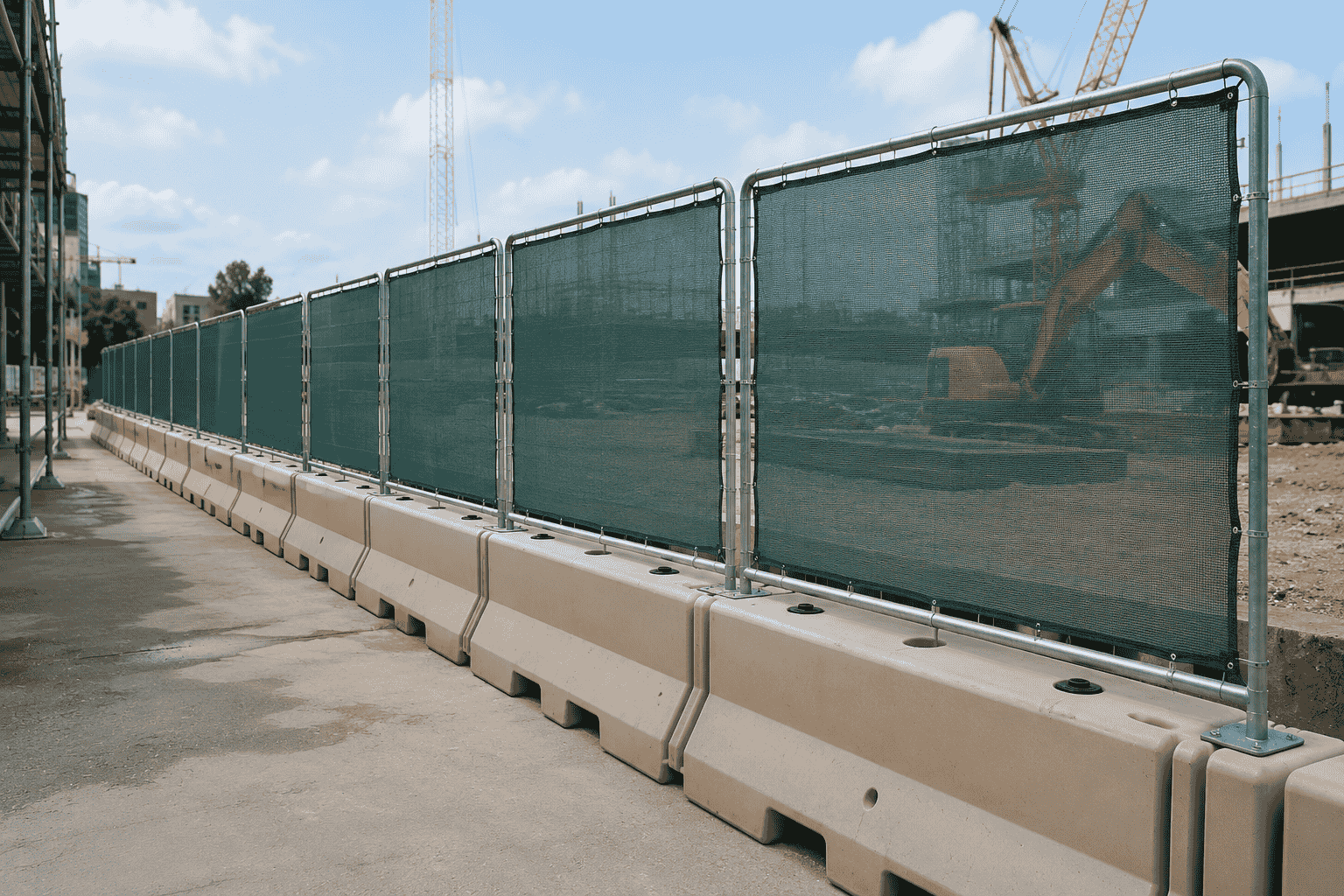
Take a retail-facing roadworks project in Perth. Temporary fencing alone looks exposed and unfinished. Drivers can see machinery movements. Pedestrians slow down to look into the site. Dust drifts into walkways. The whole area feels messy.
Add a screened barrier system and the site immediately feels more controlled. Cleaner. Safer. More deliberate.
Public perception changes fast when visibility changes.
Construction Hoarding Is Becoming Part of a Larger Site Strategy
This is one reason construction hoarding companies have started integrating barrier systems into broader perimeter strategies instead of treating them separately.
The old approach was fragmented. Temporary fencing handled one issue. Concrete barriers handled another. Hoarding panels solved something else. Now the smarter projects combine these systems together from the beginning.
It is less about individual products now and more about layered site control.
How Perth Projects Are Combining Multiple Safety Systems
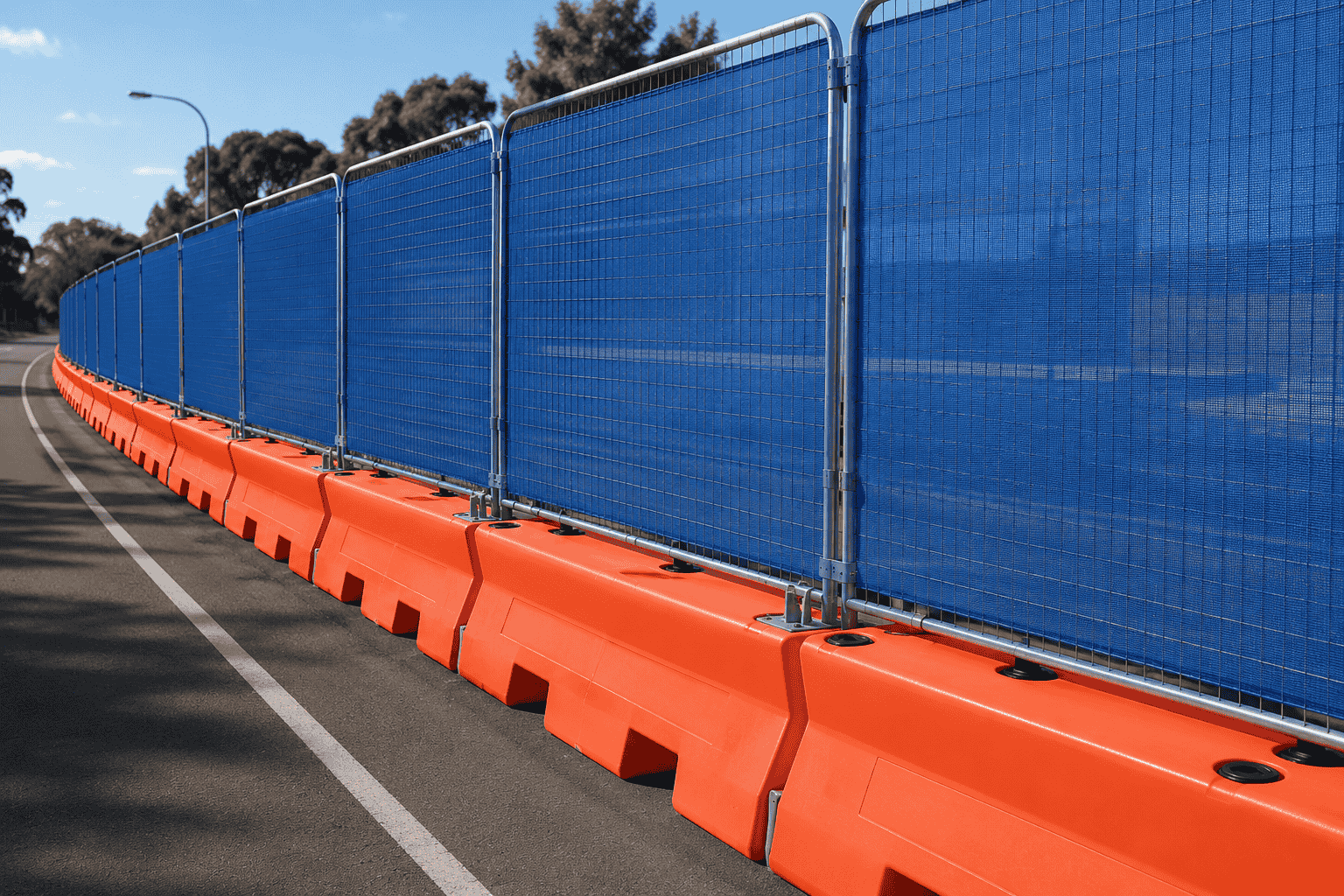
You can see this shift happening across Perth infrastructure and commercial works. A site may start with temporary fencing during mobilisation. Once vehicle movement increases, water-filled barriers are introduced for traffic separation.
Then construction hoarding gets added around public-facing work zones. In high-exposure areas, screened barriers tie the whole setup together visually.
It feels coordinated because it is coordinated.
Why Flexible Barrier Systems Save Time
The interesting part is how much this affects project efficiency behind the scenes. Contractors spend less time redesigning traffic management layouts mid-project. Adjustments happen faster. Access routes evolve without massive labour costs.
Even site maintenance becomes easier because crews can isolate sections without dismantling half the perimeter. That flexibility becomes valuable very quickly on projects running against tight timelines.
Why Many Builders Prefer Hoardings to Rent
There is also a practical reason many Perth contractors now prefer hoardings to rent instead of purchasing full systems outright.
Site requirements change constantly. Renting allows builders to scale barrier systems up or down depending on project stage, public exposure, or council requirements. It removes the storage problem too, which nobody talks about until hundreds of metres of barriers are sitting unused in a yard.
The Bigger Shift Happening Across Perth Construction
Not every site needs a water barrier with GAWK screen. Small internal projects or low-traffic works may not benefit much from them.
But on road-facing developments, infrastructure upgrades, or commercial zones with heavy pedestrian flow, they solve multiple operational problems simultaneously. That is usually the best sign a system works well in construction.
It stops being treated like an optional extra and starts becoming part of the standard planning process.
Perth builders are moving that way now. The focus is no longer just blocking access to a site. The expectation is broader. Control traffic. Reduce dust. Improve presentation. Maintain flexibility. Protect workers. Protect the public. Keep the site visually organised.
A simple barrier is no longer just a barrier anymore.