
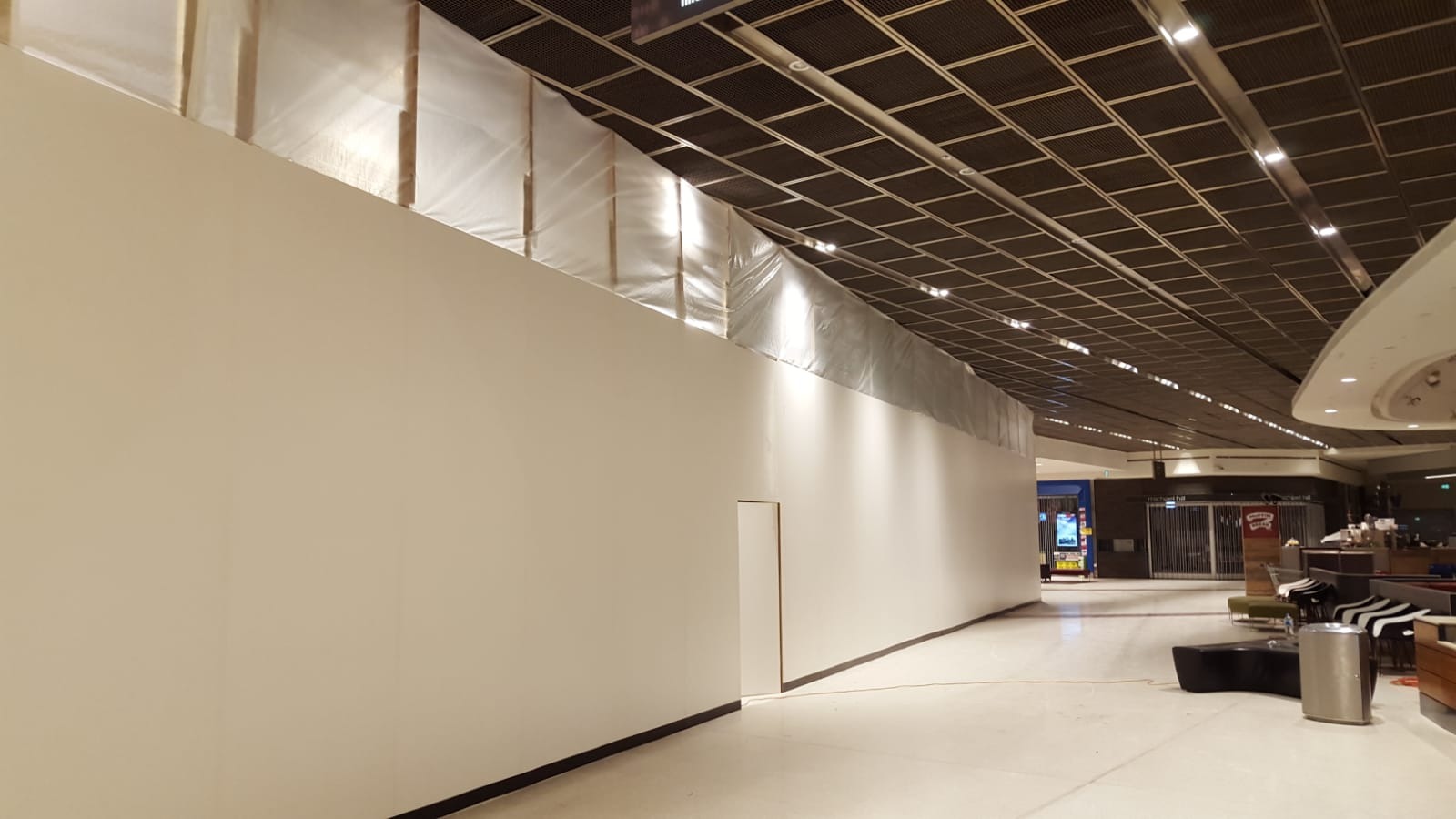
Hoarding removal is not a simple reverse installation. On Perth construction and retail sites, removing construction hoarding requires planning, sequencing, and safety controls that protect both workers and the public. Done poorly, dismantling can create just as much risk as the original build phase.
Hoardings WA manages hoarding removal across commercial sites, retail refurbishments, and event spaces where public exposure remains high even at project close-out.
Why Hoarding Removal Requires a Controlled Process
Hoardings are often the last safety barrier standing between active works and the public. Removing them too early or without coordination can expose unfinished surfaces, unsecured services, or residual hazards.
Before dismantling begins, the principal contractor should confirm that internal works are complete, overhead risks are eliminated, and final inspections are passed. Removing hoardings is a transition stage, not just a pack-down task.
Step One: Site Assessment Before Dismantling
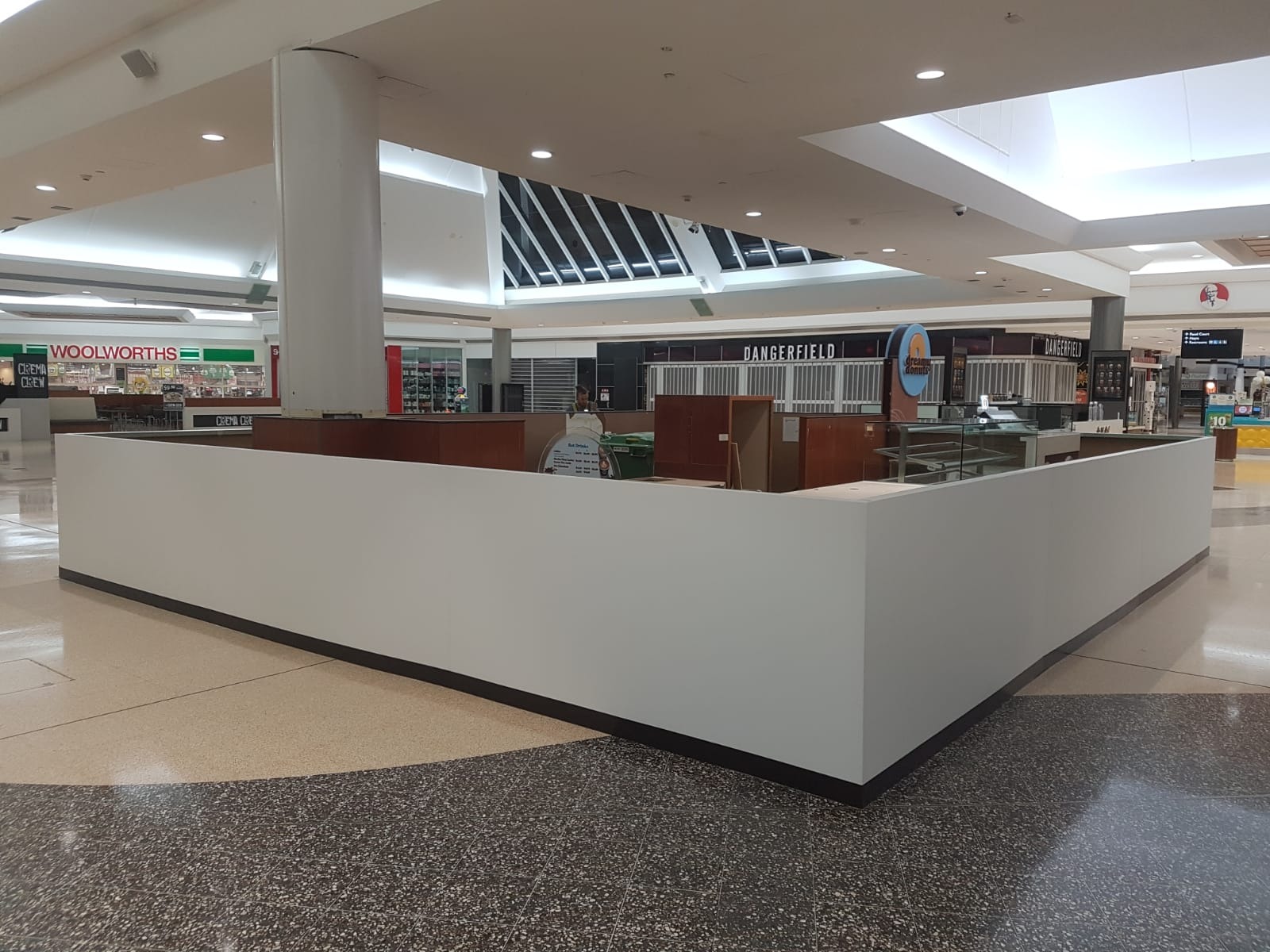
Every hoarding removal begins with a site review. This includes checking structural stability, identifying fixed anchoring points, and confirming whether the hoarding is a Class A hoarding or Class B hoardings setup.
Class A hoarding systems, often used in high-risk or overhead protection zones, require staged dismantling due to their structural components. Class B hoardings are typically simpler but still require safe sequencing to avoid panel collapse.
Temporary fencing used during early works should also be assessed if it remains on site, particularly if it has been modified or reinforced during the project.
Step Two: Securing the Work Zone During Removal
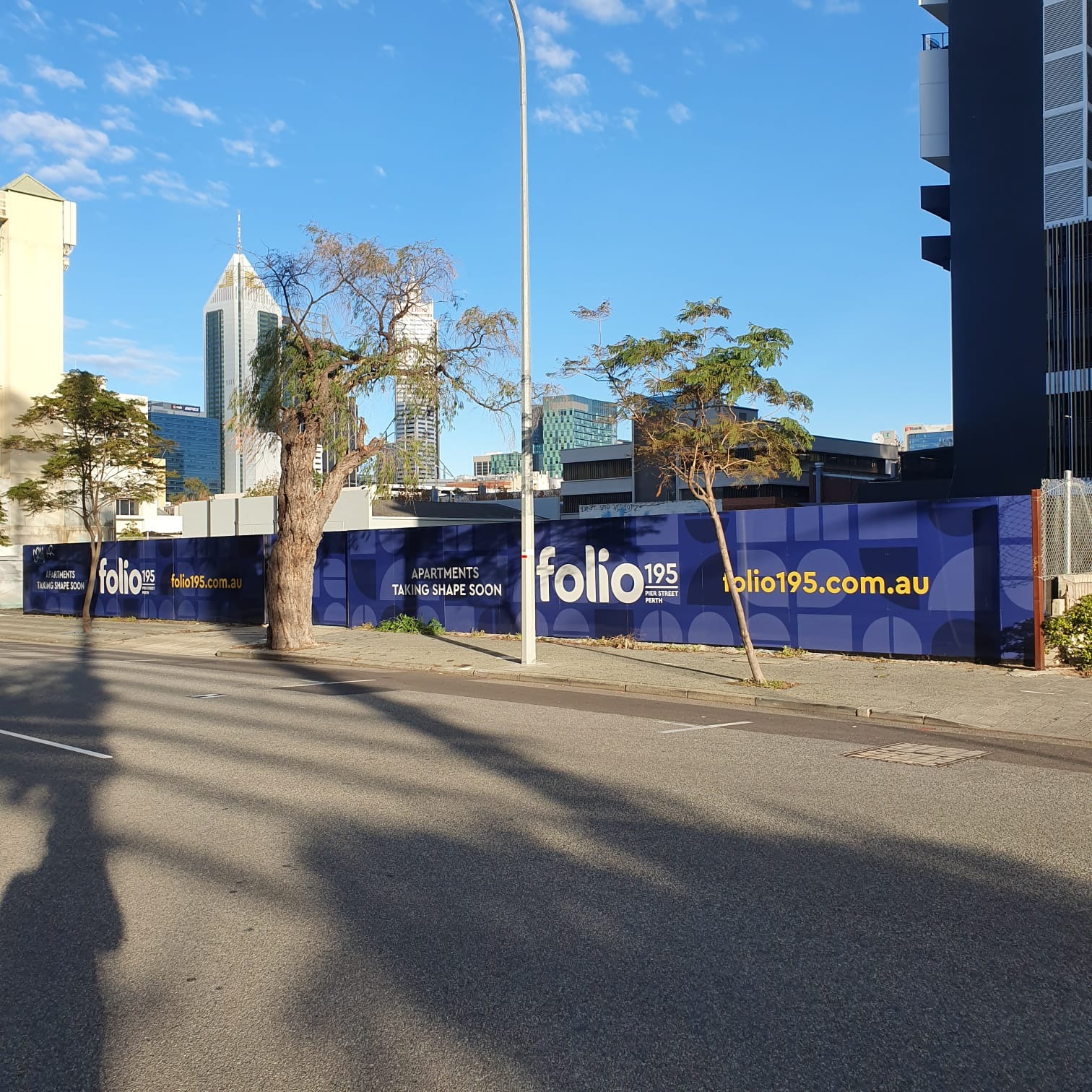
Hoarding removal must create a temporary exclusion zone while panels are dismantled. This prevents pedestrians or tenants from walking through partially removed barriers.
On retail hoardings and shopfront projects, centre management often requires after-hours removal to avoid public disruption. For event walls or digital display walls, removal is typically coordinated with scheduled bump-out times.
Maintaining control of pedestrian flow during removal is critical, especially in Perth CBD or shopping centre environments.
Step Three: Panel-by-Panel Disassembly
Solid construction hoarding systems should be dismantled methodically. Panels are removed one at a time, starting from non-load-bearing sections and working toward structural anchor points.
Fasteners, bracing, and base plates must be detached safely. Rushing this stage increases the risk of panels shifting unexpectedly. On longer-term hoardings to rent, inspection of reusable components is also part of the process.
For event walls and digital display walls, electrical components and mounted fixtures must be disconnected before structural panels are removed.
Step Four: Final Safety Check and Handover
After removal, the site boundary must remain safe. Any exposed edges, service openings, or unfinished sections should be secured immediately.
If temporary fencing is required for short-term boundary control post-removal, it should be installed straight away to prevent unauthorised access before full site completion.
A final walkthrough confirms that no debris, fixings, or sharp materials remain in pedestrian areas.
Special Considerations for Retail and Event Environments
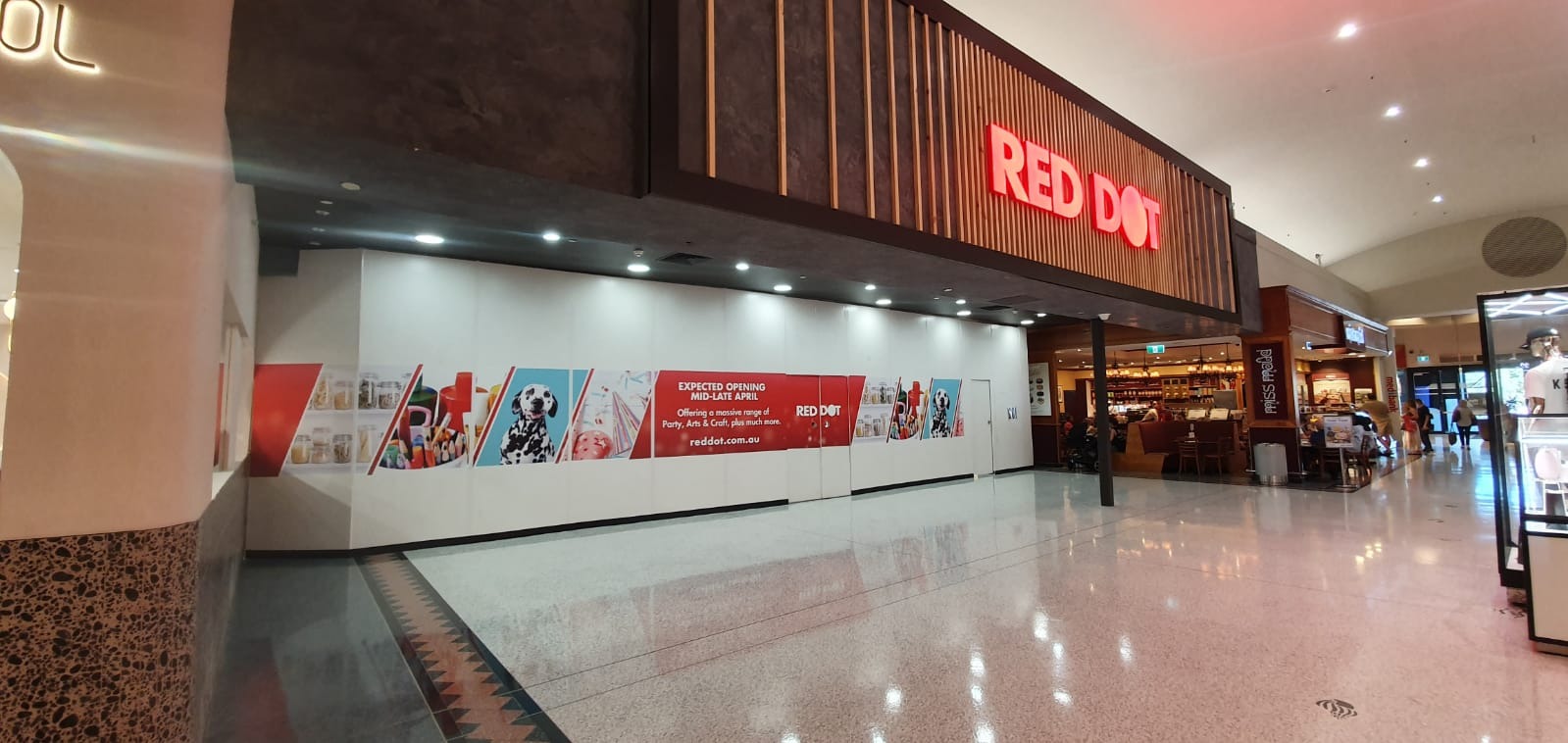
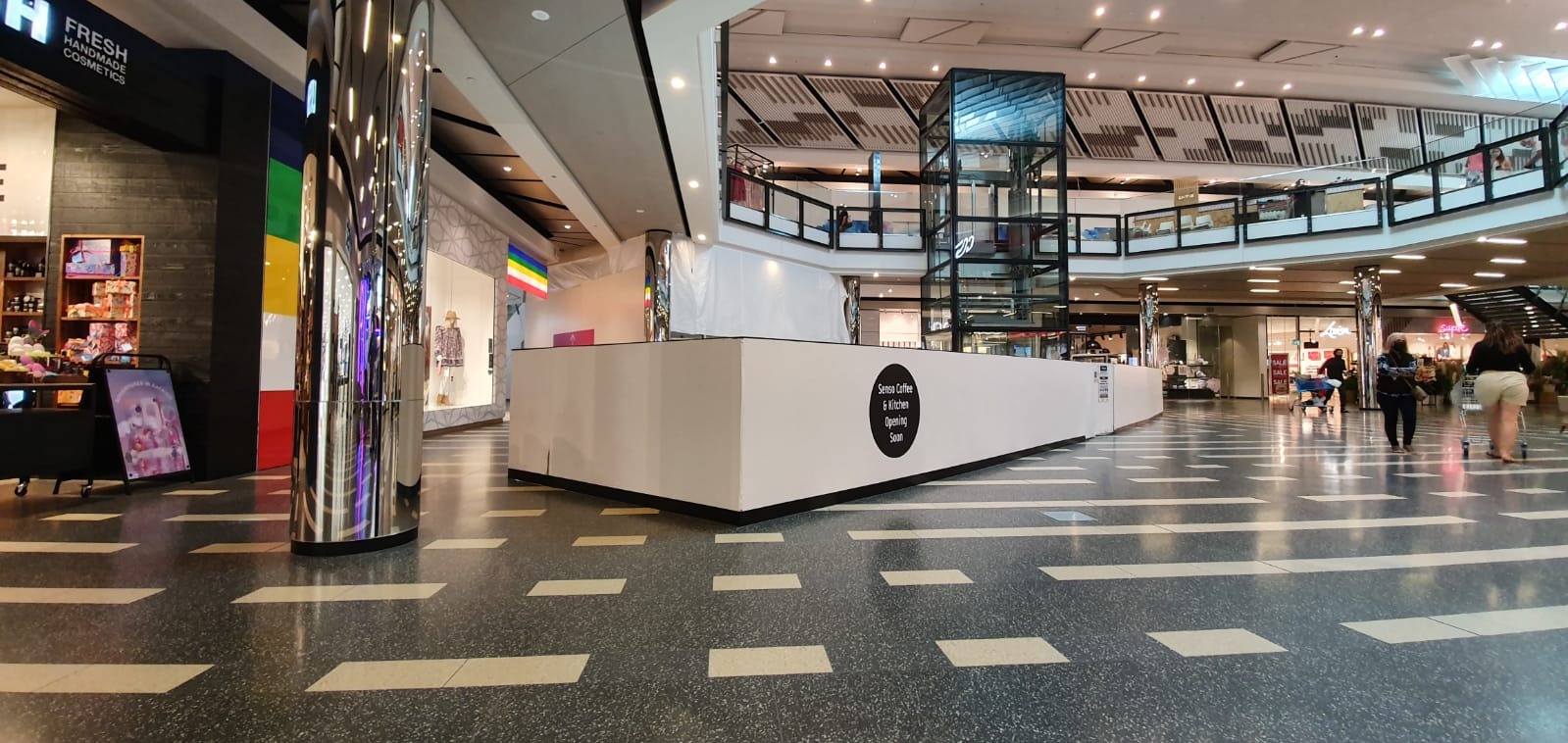
Retail hoardings often conceal active fit-outs in live centres. Removing them too early can expose unfinished interiors. Coordination with centre management ensures reopening aligns with safety expectations.
Event walls and digital display walls require additional care during dismantling to protect reusable branding materials and electrical components. Controlled removal reduces replacement costs and avoids damage to surrounding flooring or structures.
Renting Hoardings and Coordinating Timely Removal
Projects using hoardings to rent should schedule removal in advance. Delays can result in additional rental charges and site congestion.
Professional providers plan labour, transport, and compliance checks to ensure hoarding removal aligns with practical completion timelines.
Why Proper Hoarding Removal Protects Your Reputation
The final stage of a project leaves a lasting impression. A messy or unsafe hoarding removal can undermine months of professional work.
Perth builders who treat dismantling with the same discipline as installation avoid incidents, protect their safety record, and hand over clean, compliant sites ready for occupation.
FAQ
When should hoarding removal take place
Hoarding removal should occur only after construction risks are eliminated and the site is safe for public exposure.
Is hoarding removal dangerous
It can be if panels are dismantled without proper sequencing or exclusion zones.
Do Class A hoardings require special removal procedures
Yes. Due to their structural and protective features, they often require staged dismantling.
Can temporary fencing replace hoarding after removal
It can provide short-term boundary control if further works remain.
Is surface repair part of hoarding removal
Yes. Anchor points and fixings usually require patching and reinstatement before project handover.