
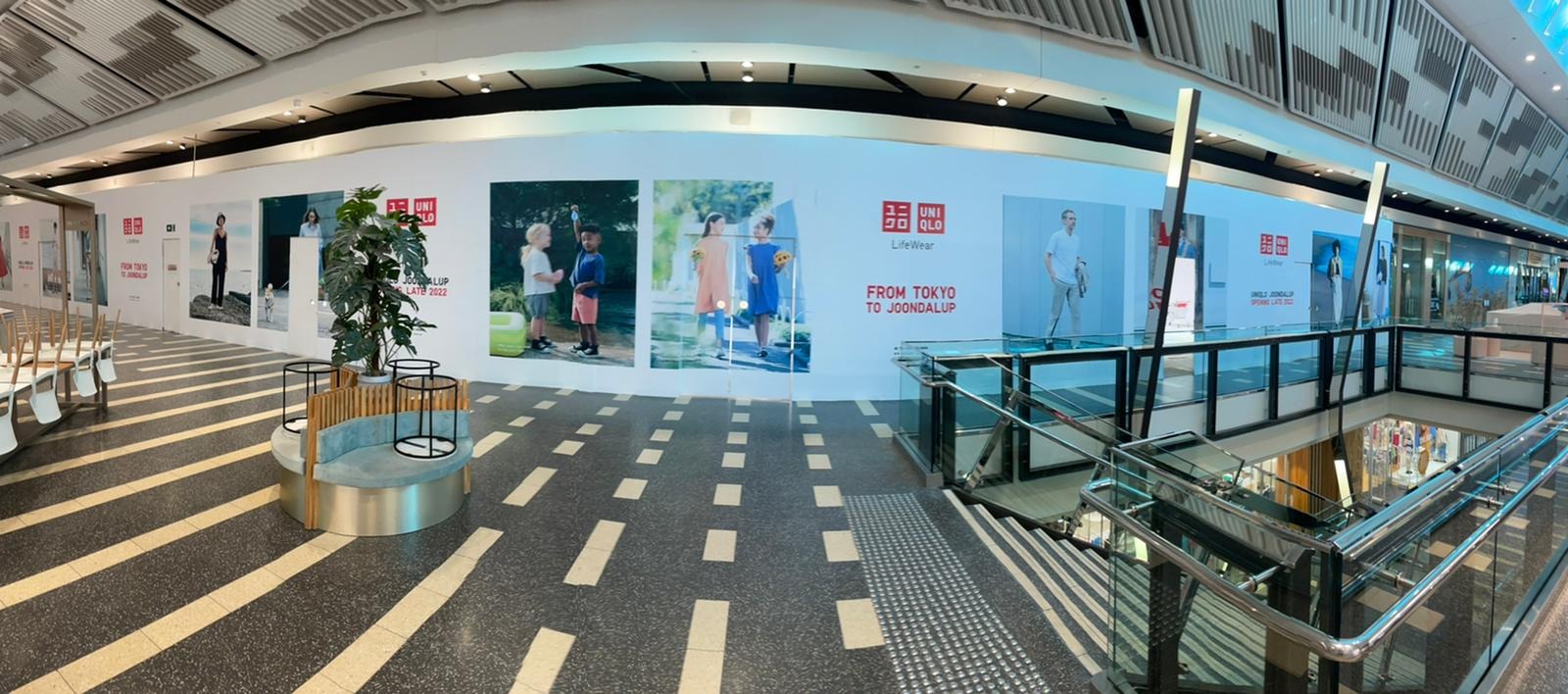
How hoardings help manage dust and noise in shopping centres is a question most Perth builders and shop owners face the moment a retail project begins. Construction inside an active centre creates immediate pressure from tenants, customers, and centre management. Without proper containment, dust spreads fast, noise complaints escalate, and projects risk delays.
Hoardings WA installs shopfront hoardings across Perth retail environments where controlling dust and noise is critical to keeping both the project and surrounding businesses running smoothly.
Why Dust and Noise Are Major Risks in Retail Construction
Retail construction happens in live environments. Customers walk past open tenancies, cafés operate next door, and staff work within metres of active construction. Dust and noise are not just inconveniences, they affect health, customer experience, and business continuity.
Shopping centres in Perth often enforce strict conditions around dust suppression and noise control before approving construction works. Builders who fail to manage these properly are usually forced to stop and fix the issue mid-project.

How Construction Hoarding Contains Dust at the Source
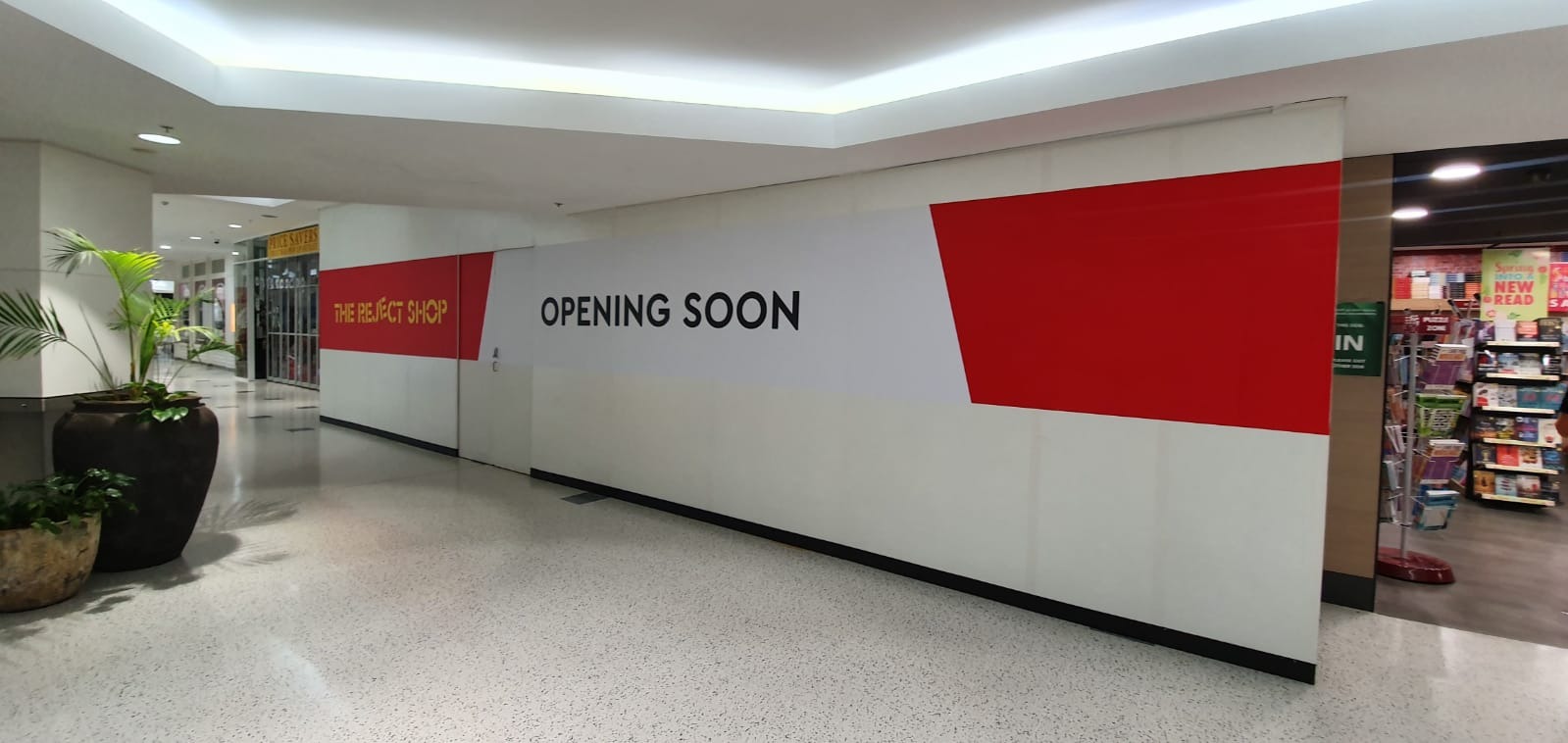
Construction hoarding acts as the first line of defence against dust escape. Solid panels fully enclose the shopfront, preventing airborne particles from spreading into walkways and neighbouring stores.
Sealed joins between panels reduce airflow at ground level, which is especially important in Perth where indoor air movement can carry dust further than expected. A properly installed construction hoarding system creates a contained work zone that limits exposure outside the tenancy.
Shopfront Hoardings and Customer Protection
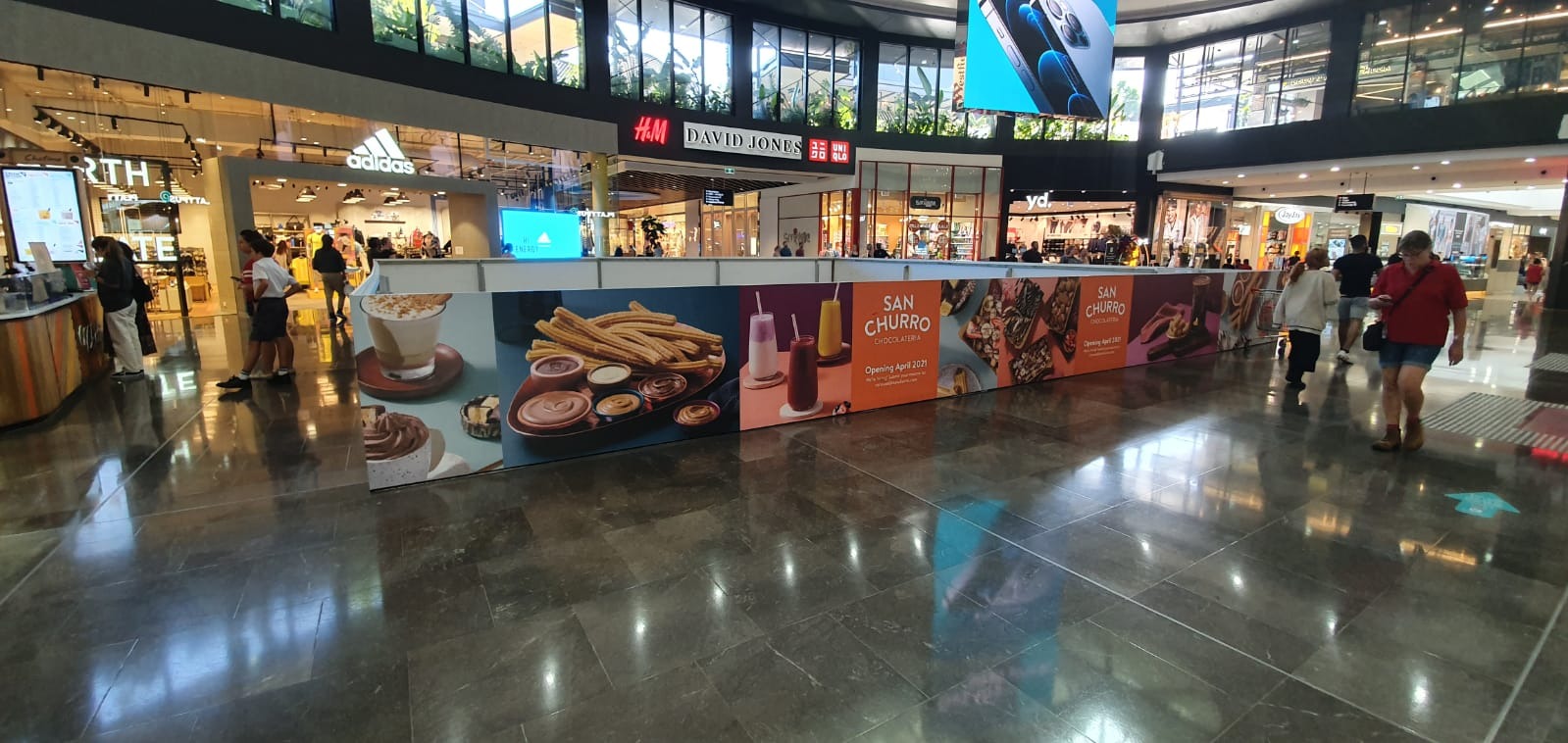
Shopfront hoardings are designed specifically for retail environments where the public remains close to the work zone. These systems not only block dust but also create a clean visual barrier that reassures customers.
In busy Perth centres, shopfront hoardings help maintain normal foot traffic patterns. Customers feel comfortable walking past a sealed, professional-looking barrier compared to exposed or partially enclosed works.

Temporary Fencing and Its Limitations for Dust and Noise Control
Temporary fencing is sometimes used during early stages of a project, but it offers almost no dust containment. Mesh panels allow fine particles to pass through easily and do little to reduce noise.
For shopping centre environments, temporary fencing is usually replaced quickly with solid hoarding systems once interior works begin. Builders relying on fencing alone often face immediate complaints.
Using Zipwall Systems for Internal Dust Control
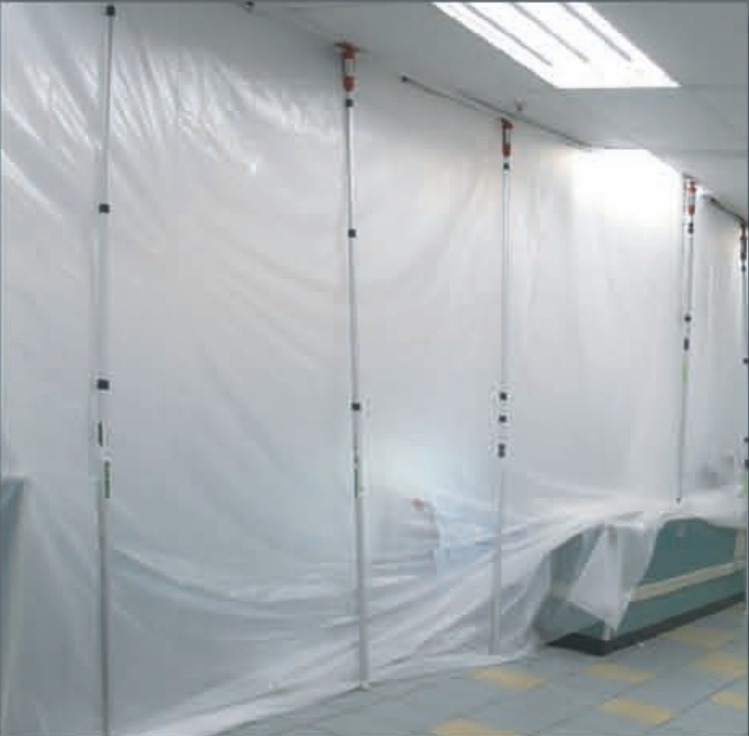
Zipwall systems are used inside the tenancy to create smaller containment zones within the larger hoarded area. These systems use sealed plastic sheeting supported by adjustable poles to isolate specific work zones.
Zipwall barriers are especially useful during staged renovations where parts of the shop may still be accessible. Combined with external hoarding, they create layered dust control that keeps both the site and surrounding areas clean.
Managing Noise with Solid Hoarding Systems
While hoardings are not soundproof, solid construction hoarding significantly reduces noise transmission compared to open barriers. The dense panel structure absorbs and deflects sound, lowering the impact on nearby stores and walkways.
Noise control becomes more effective when hoardings are properly sealed and installed without gaps. In Perth retail environments, this can be the difference between smooth project progress and repeated complaints from neighbouring tenants.
Entry Portals and Controlled Openings
Entry portals are necessary for access, but they can become weak points for dust and noise escape if not designed properly. A well-built entry portal integrates tightly with the hoarding system and includes secure closures.
Keeping portals closed when not in use helps maintain the integrity of the containment system. On busy sites, disciplined use of entry points plays a major role in controlling both dust and sound.
Renting Hoardings for Flexible Dust and Noise Control
Many Perth builders choose hoardings to rent because retail projects often shift in scope or timing. Rental systems allow adjustments to panel layouts, entry points, and containment strategies as the project evolves.
This flexibility helps maintain consistent dust and noise control from start to finish without needing to redesign the entire setup mid-project.
Perth Retail Conditions Make Containment Essential
Perth shopping centres operate in controlled environments where cleanliness and customer comfort are non-negotiable. Even small amounts of dust or excessive noise can trigger complaints quickly.
Builders who invest in proper hoarding systems from the start avoid disruptions, maintain good relationships with centre management, and keep projects on schedule.

FAQ
How do hoardings help manage dust in shopping centres
They create a sealed barrier that prevents dust from escaping the construction area into public spaces.
Can temporary fencing control dust and noise
No. Temporary fencing does not provide effective containment and is usually replaced by solid hoardings.
What is a zipwall used for
A zipwall is used inside a tenancy to isolate smaller work areas and control dust during staged construction.
Do hoardings reduce construction noise
Yes. Solid hoardings help reduce noise levels by blocking and absorbing sound, though they are not fully soundproof.
Why are entry portals important for containment
Entry portals allow access while maintaining the hoarding barrier, but they must be properly sealed and managed to prevent dust and noise leakage.