
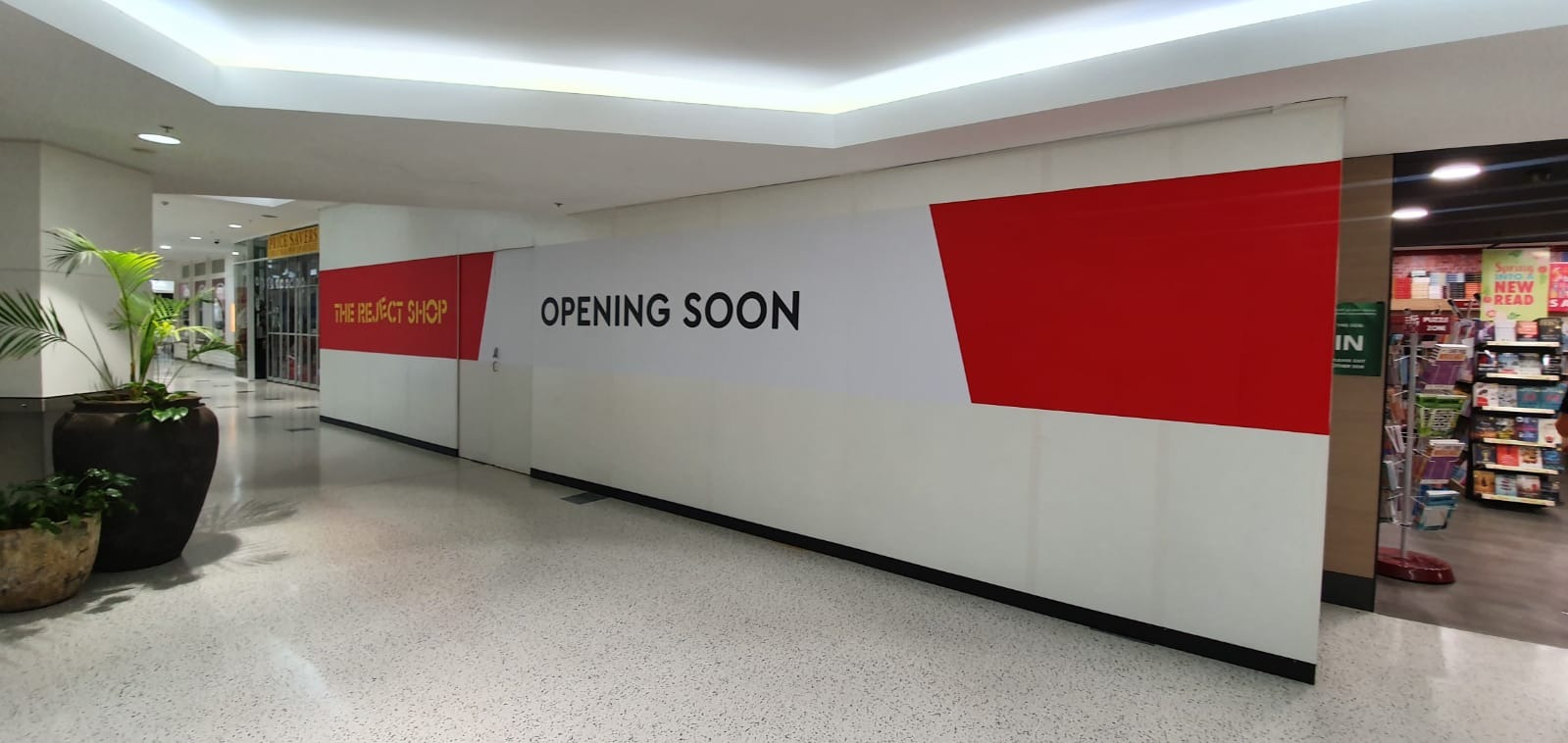
Compliance checklists for shopping centre projects are what separate smooth retail builds from delayed, high-risk ones. In Perth, retail construction runs under tight scrutiny from centre management, contractors, and safety regulators. Missing a single requirement can stall a fit-out, trigger rework, or delay store openings.
Hoardings WA supports builders and shop owners across Perth by ensuring construction hoardings and retail hoardings meet centre expectations from day one. This guide breaks down what actually needs to be checked before, during, and after a retail project.
Pre-Start Compliance: What Must Be Approved Before Work Begins
Before any tools hit the floor, shopping centre projects must pass initial compliance checks. This stage focuses on approvals, documentation, and setup readiness.
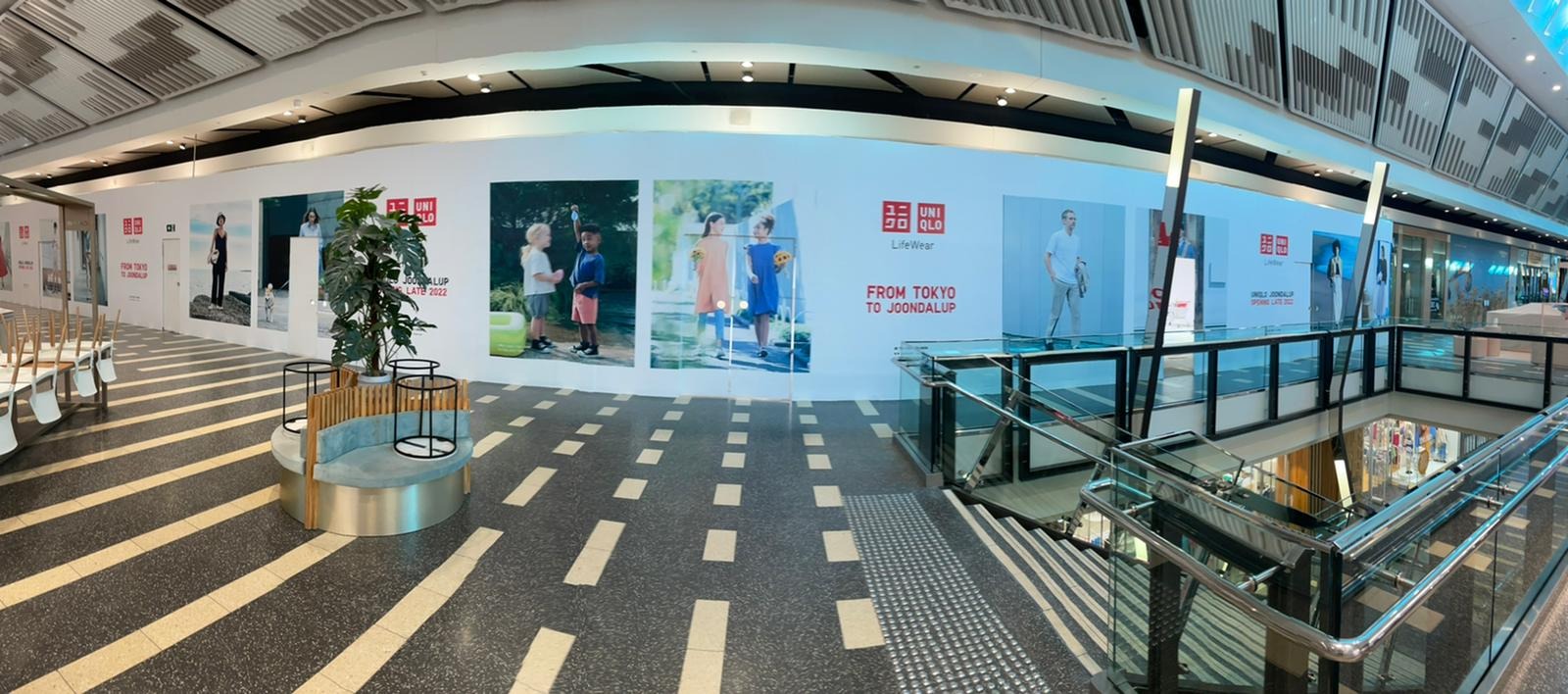
Builders are typically required to submit hoarding designs, access plans, and safety documentation to centre management. Construction hoardings must be approved in terms of height, materials, and layout. Indoor hoardings must also align with fire exits, sprinkler systems, and pedestrian flow.
Temporary fencing may be used during early preparation, but most centres require solid retail hoardings before major works begin.
Hoarding System Compliance Requirements
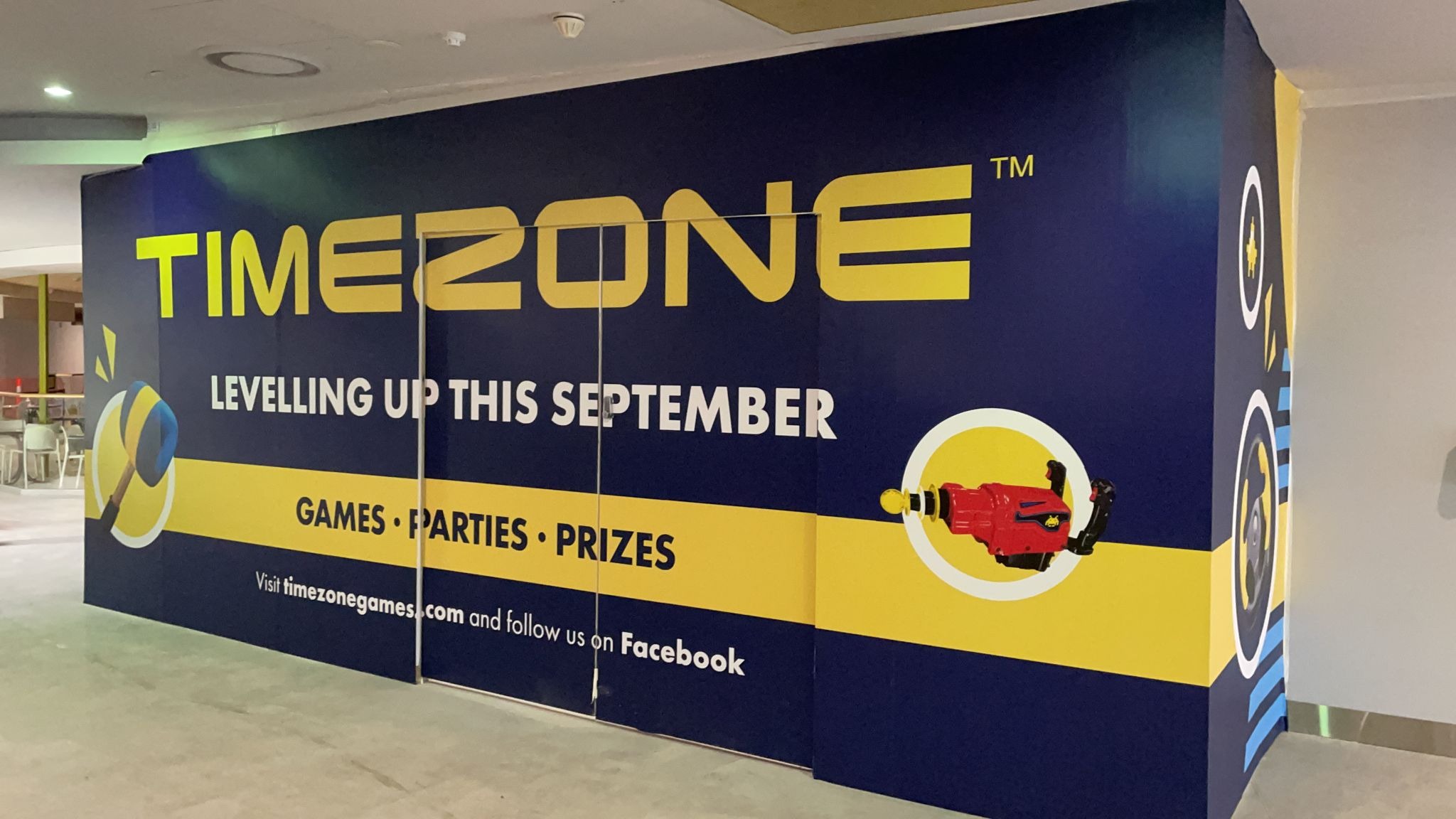
Hoarding systems are a central part of retail compliance. They are not just barriers, they are safety structures that must meet strict standards.
Retail hoardings should be fully enclosed, stable, and free from gaps. Panels must be securely fixed and capable of withstanding impact from public interaction. Indoor hoardings must not obstruct emergency exits or interfere with building services.
For projects using hoardings to rent, it is important to ensure the system meets current safety standards and has been properly maintained before installation.

Dust and Environmental Control Checklist
Dust control is one of the most closely monitored aspects of shopping centre construction. Builders must demonstrate how dust will be contained within the tenancy.
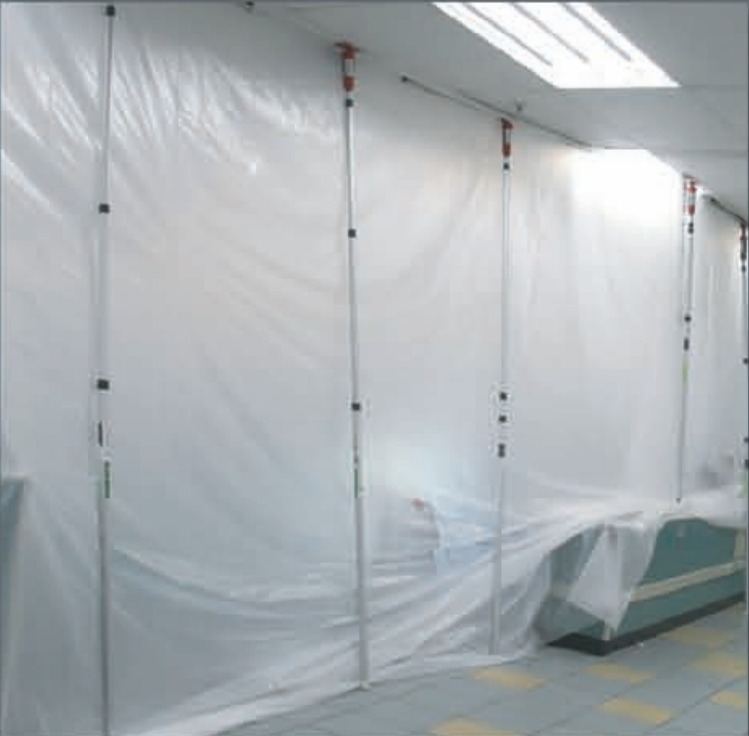
Construction hoardings form the external barrier, while zipwall systems are often used internally to isolate specific work zones. Together, they create layered protection that prevents dust from spreading into public areas.
Centres may also require regular cleaning schedules and inspections to maintain acceptable air quality throughout the project.
Noise Management and Work Hour Restrictions
Shopping centres in Perth often impose strict limits on when noisy work can take place. Compliance checklists usually include approved work hours and noise control measures.
Solid construction hoardings help reduce noise levels, but scheduling is just as important. High-impact activities are often restricted to after-hours periods to minimise disruption to customers and nearby tenants.
Failure to follow these restrictions can lead to immediate stop-work directives.
Access and Entry Control Requirements
Controlled access is essential in retail construction environments. Entry points must be clearly defined and secure at all times.
Hoarding systems typically include access doors or portals for workers. These must remain closed when not in use and should prevent public entry into the construction zone.
Temporary fencing does not provide adequate access control for most retail projects, which is why solid hoarding systems are preferred.
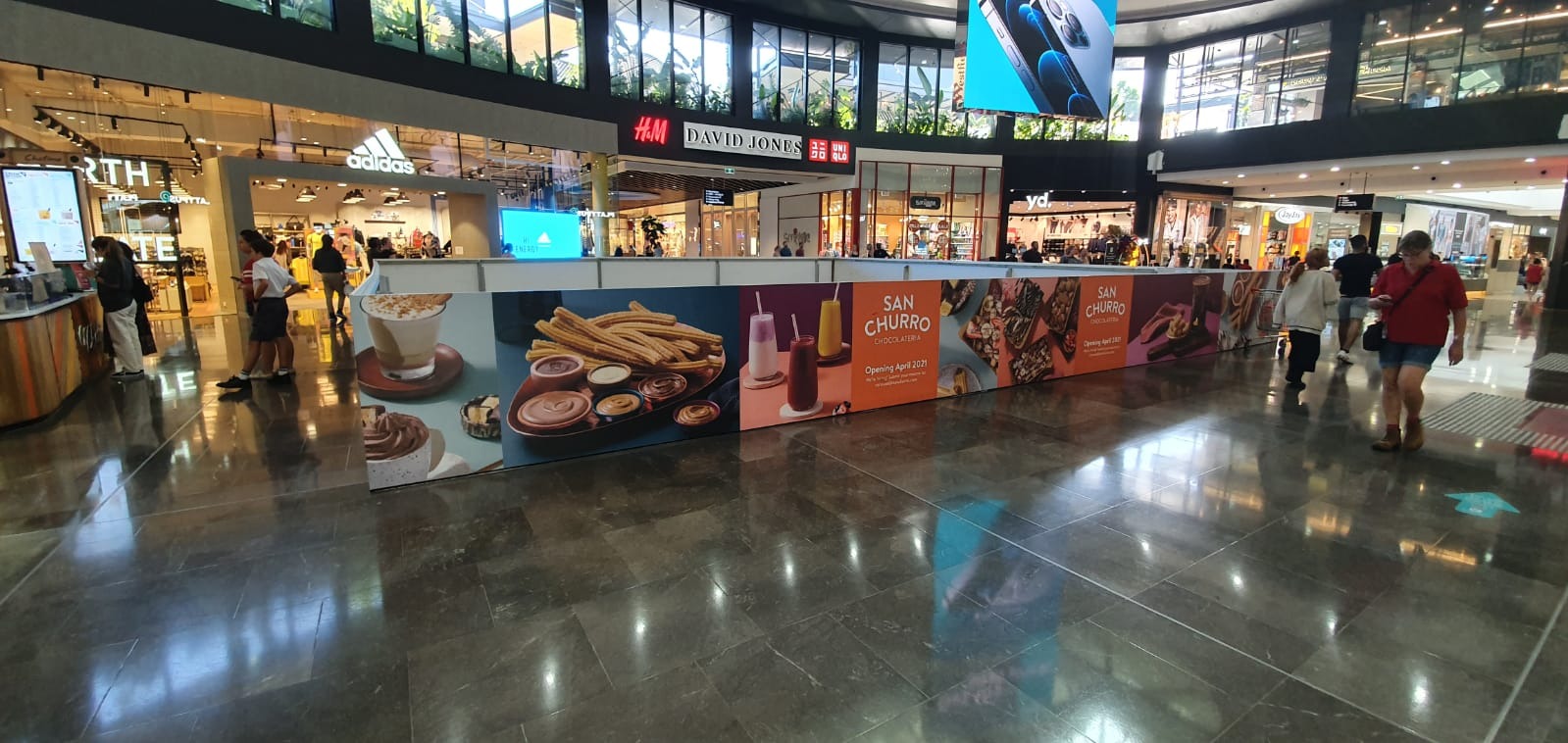
Safety Inspections During the Project
Compliance does not stop after installation. Shopping centre projects require ongoing inspections to ensure safety standards are maintained.
Retail hoardings should be checked regularly for damage, movement, or gaps. Indoor hoardings and zipwall systems must remain intact and properly sealed. Any issues identified during inspections should be addressed immediately to avoid escalation.
Builders are responsible for maintaining a safe and compliant environment throughout the entire project lifecycle.
End-of-Project Compliance and Hoarding Removal
Before a project is handed over, final compliance checks are required. This includes confirming that all hoardings are removed safely and that the site is restored to an acceptable condition.
Hoardings to rent should be dismantled according to agreed timelines, and any fixings or anchor points must be repaired. The area must be clean, hazard-free, and ready for public use.
A proper close-out ensures the project meets both safety and presentation standards expected by Perth shopping centres.
Why Compliance Checklists Matter in Perth Retail Projects
Retail construction in Perth operates in high-visibility environments where mistakes are noticed quickly. Compliance checklists provide a structured approach that reduces risk, improves coordination, and keeps projects on schedule.
Builders who follow a clear checklist avoid delays, maintain good relationships with centre management, and deliver projects that meet both safety and operational expectations.

FAQ
Why are compliance checklists important for shopping centre projects
They ensure all safety, operational, and regulatory requirements are met before, during, and after construction.
Are construction hoardings required in all retail projects
In most cases, yes. They are essential for separating the public from construction activities.
What is the role of zipwall systems in compliance
Zipwall systems help control dust within the tenancy and are often required for internal containment.
Can temporary fencing be used inside shopping centres
It may be used during early stages, but solid retail hoardings are usually required for full compliance.
Are hoardings to rent suitable for retail construction
Yes. Rental systems provide flexibility and ensure compliance with current safety standards.