
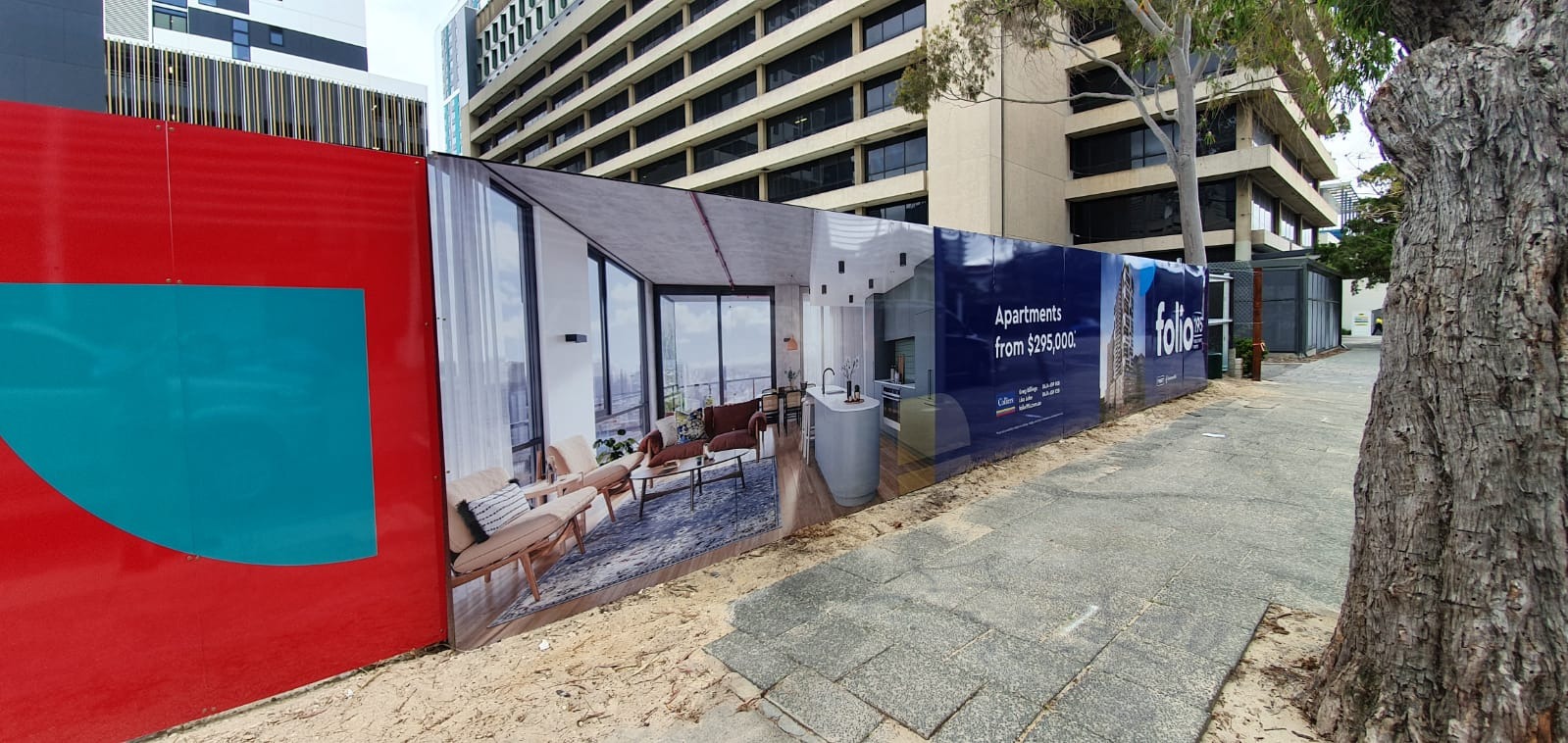
Most people hear the word “hoarding” and picture a wall around a construction site. Fair enough. That’s usually the first thing anyone notices. But on active Perth projects, especially retail builds and commercial refurbishments, there is often a second layer happening behind the scenes.
That’s where external hoardings and internal hoardings start doing very different jobs.
One controls what happens outside the site. The other controls what happens inside it.
The builders who understand that difference early usually avoid the headaches later.
External Hoardings Are About Public Control
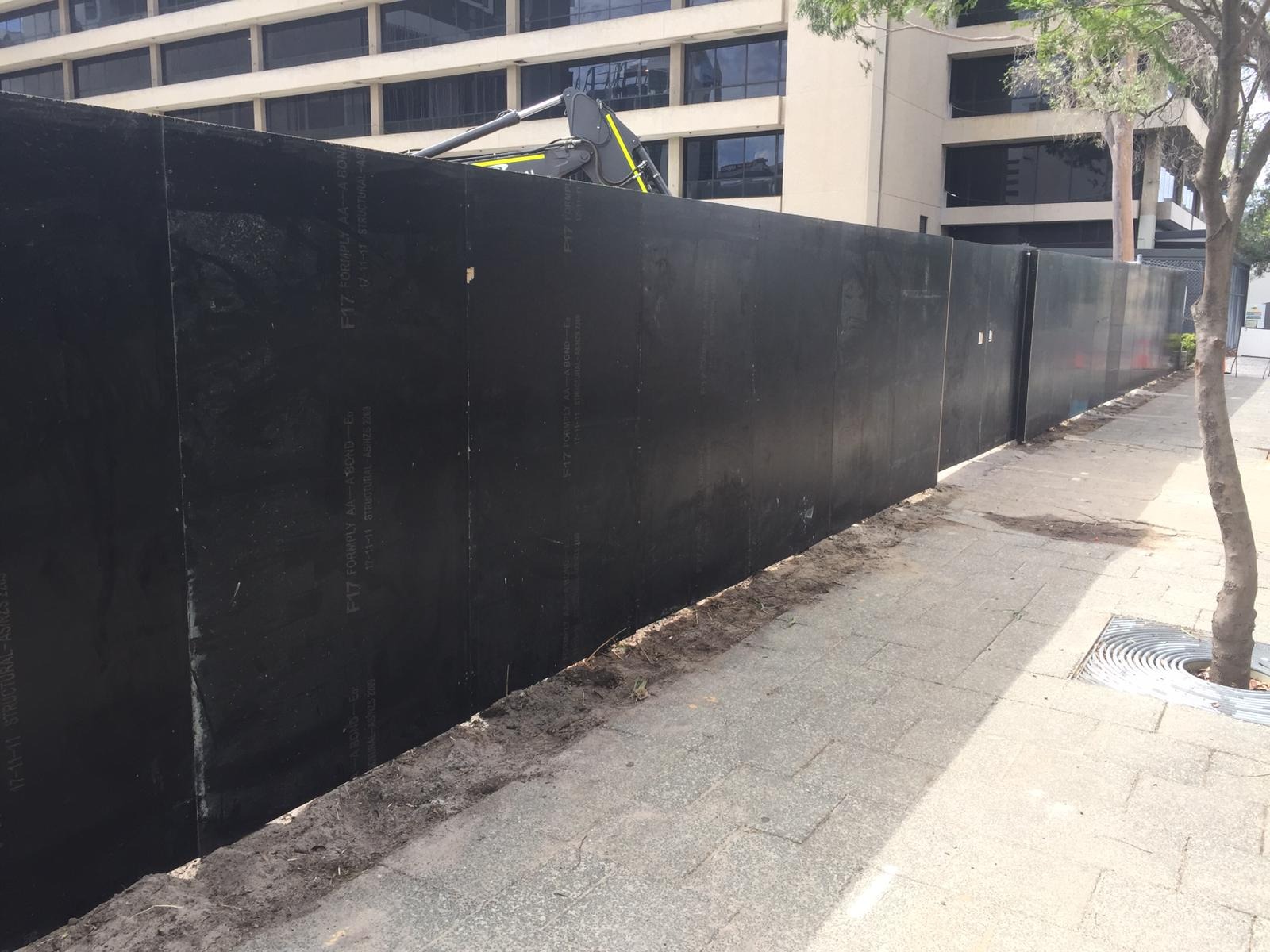
External hoardings sit at the edge of the site facing the public. Their role is straightforward on paper: create separation between construction activity and everyone outside it.
In reality, they do much more than that.
A properly installed construction hoarding system controls pedestrian movement, blocks visibility into hazardous work zones, limits dust spread, and protects nearby businesses from the visual mess construction can create. In Perth retail strips or CBD projects, this matters more than most people realise.
Poor external hoarding creates uncertainty. People slow down, look into the site, and walk unpredictably near active work areas. Good hoarding removes that hesitation. The public knows exactly where they should and should not be.
That predictability improves safety immediately.
Temporary Fencing Usually Starts the Job, But Rarely Finishes It
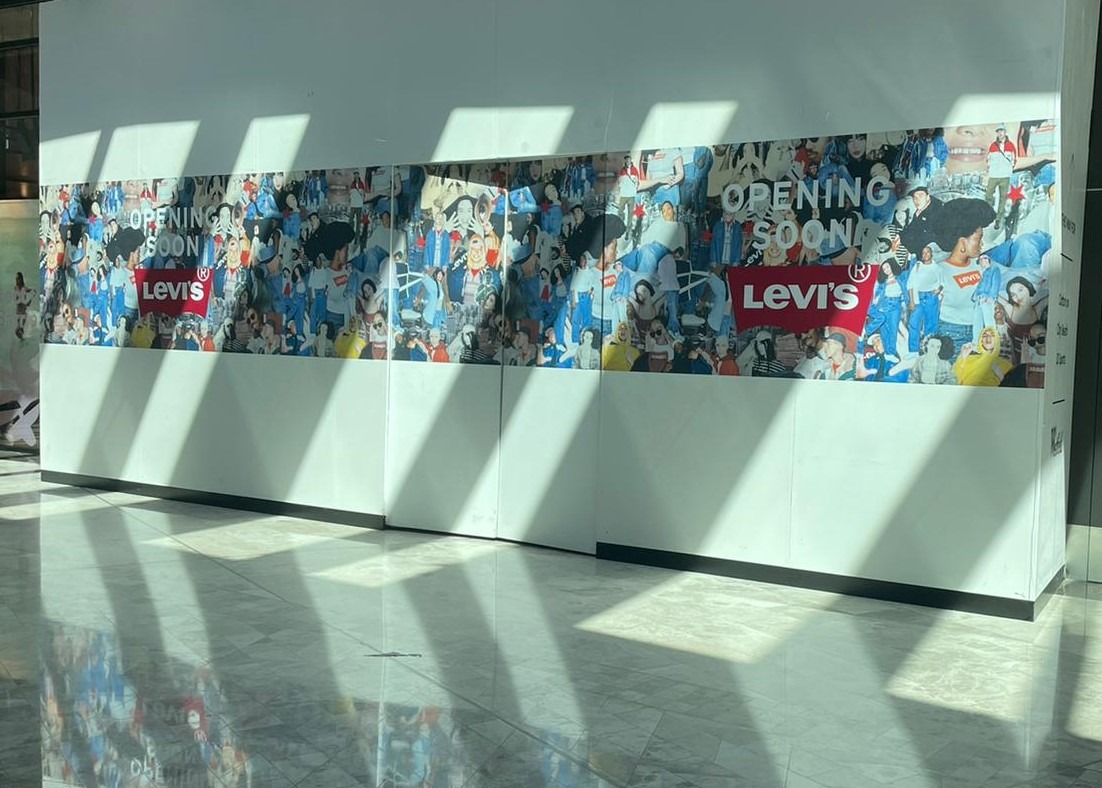
Most sites begin with temporary fencing because it is fast and easy to deploy. During early mobilisation or demolition prep, that makes sense.
But temporary fencing is not built for long-term public interaction. It does not stop dust. It offers limited visual control. It looks temporary because it is temporary.
As projects move into serious construction phases, especially around retail or commercial properties, external hoardings almost always replace fencing systems. The site needs stronger separation, cleaner presentation, and tighter control over how the public interacts with the area.
This transition happens constantly across Perth construction projects.
Internal Hoardings Solve Problems Most People Never See
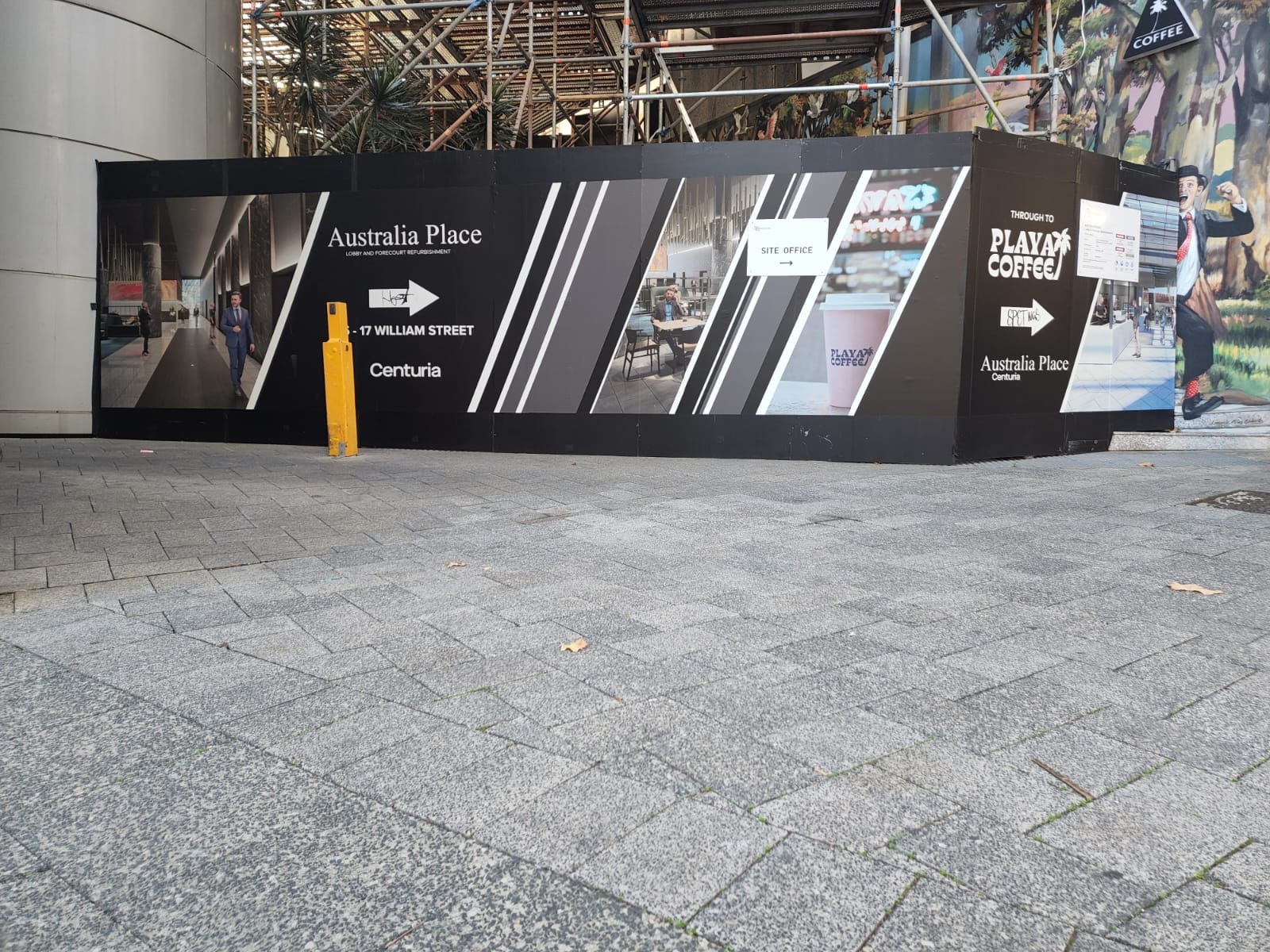
Internal hoardings are different. They are built inside the site or tenancy itself, often away from public view.
These systems control construction activity within occupied environments. Think shopping centres where one store is under renovation while neighbouring stores continue trading. Or commercial offices where one section is being refurbished without shutting down the entire floor.
That is where internal hoardings become essential.
They isolate dust. They reduce noise spill. They separate workers from occupied spaces. Most importantly, they allow operations around the construction zone to continue functioning.
Without internal hoarding, staged construction becomes extremely difficult.
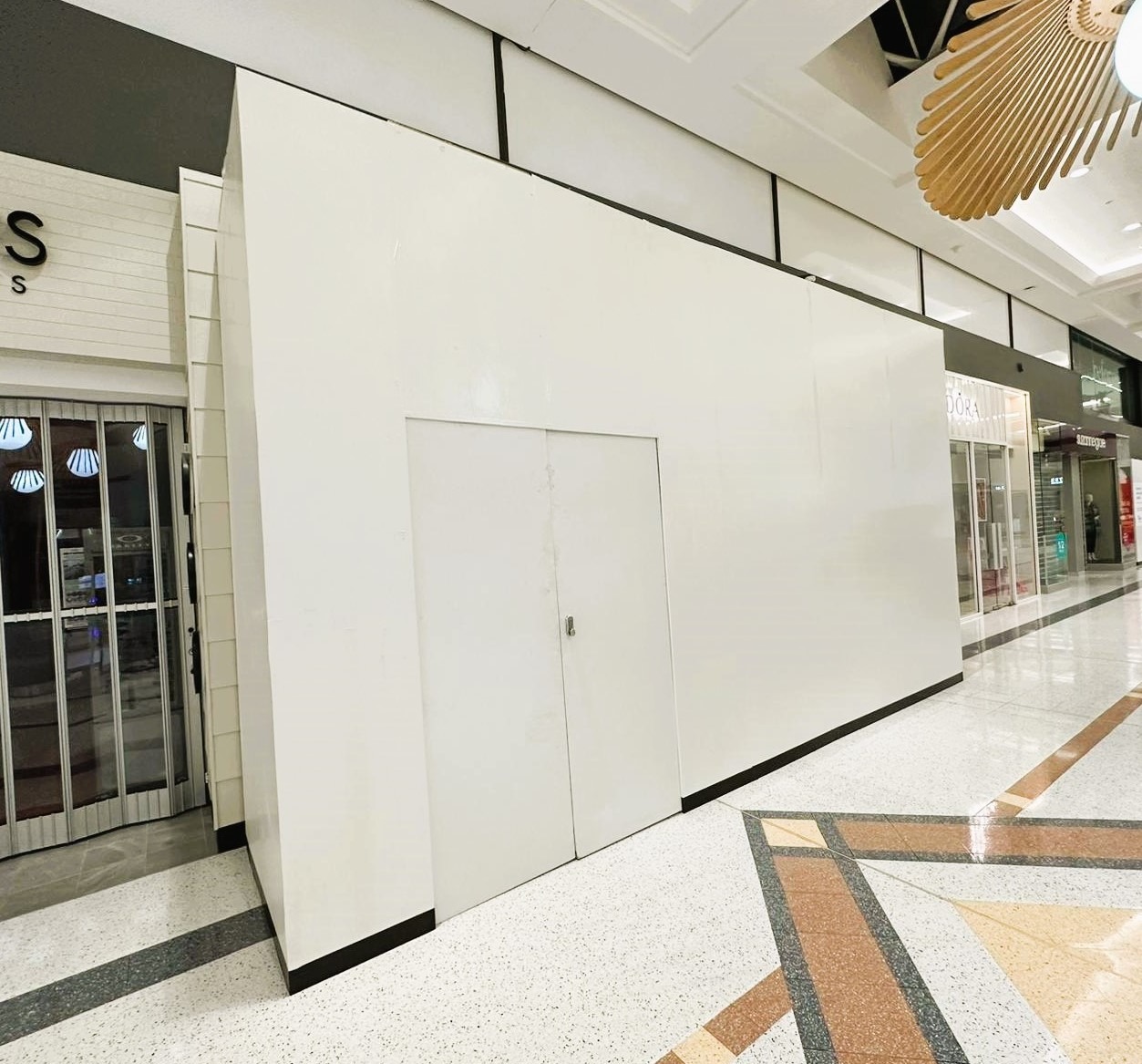
Retail Projects Depend Heavily on Internal Hoarding Systems
Retail construction in Perth relies on internal hoardings more than almost any other sector.
A shopping centre cannot afford to expose customers to open demolition work halfway through the day. Tenants next door will complain immediately if dust or noise escapes into shared walkways. Centre management notices these issues fast.
Internal hoardings create controlled work zones that keep disruption contained. Combined with external construction hoarding, they form a layered safety and operational strategy.
The public sees the outside barrier. The contractors feel the benefit of the internal one.
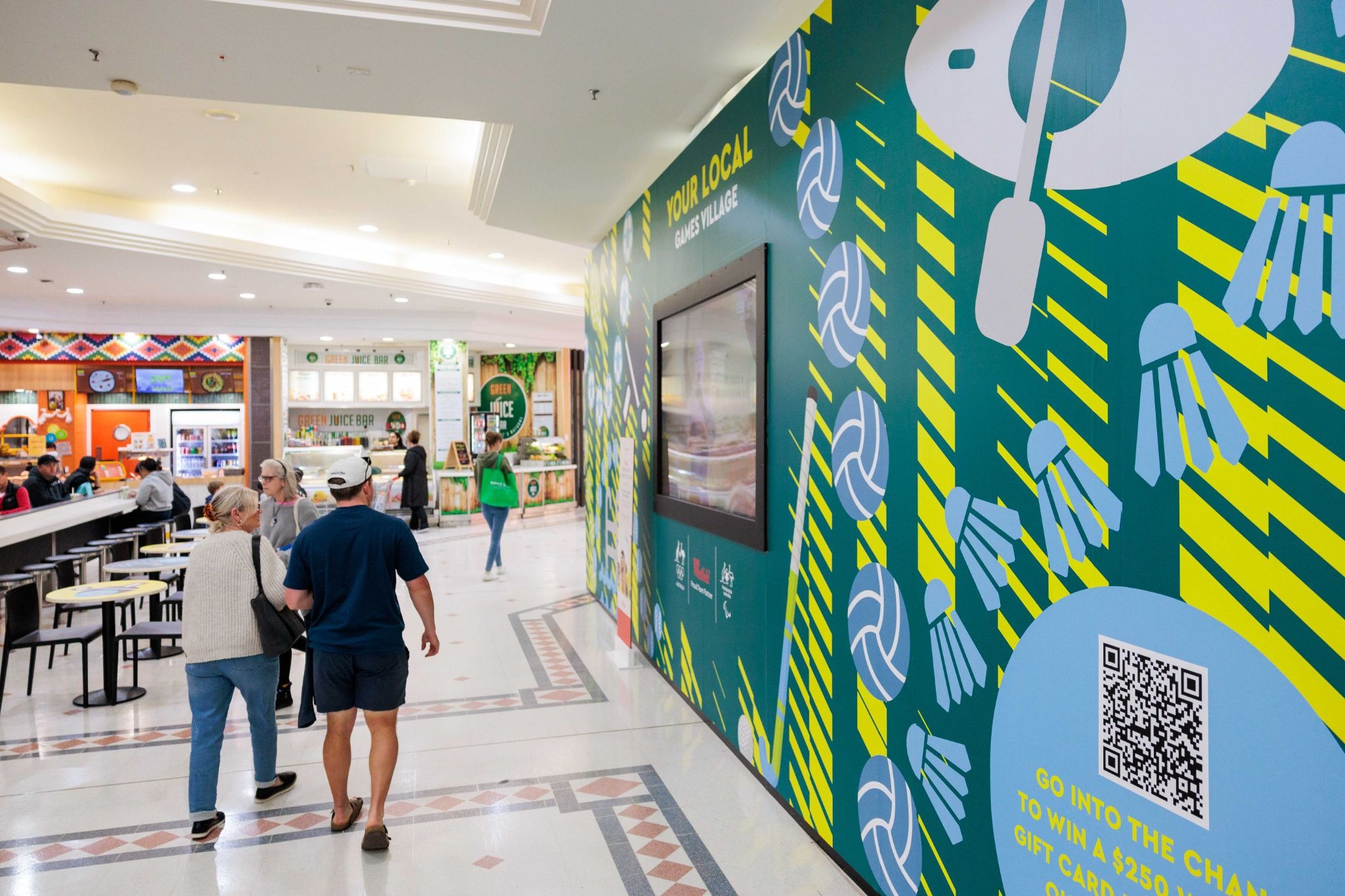
Event Walls Are Changing the Way Temporary Spaces Are Managed
There is another category now sitting somewhere between hoarding and presentation design: event walls.
These systems are increasingly used across Perth events, activations, and temporary commercial installations where appearance matters just as much as safety. Event walls can direct crowds, conceal setup areas, or create branded environments while still functioning like lightweight hoarding systems.
They are less industrial than traditional construction hoarding but built around the same idea: control movement, define space, and separate activity zones.
That crossover between presentation and site management is becoming much more common.

Why Many Perth Builders Prefer Hoardings to Rent
Construction changes constantly. Timelines shift. Site layouts evolve. Access routes move halfway through a project.
That unpredictability is one reason many contractors now prefer hoardings to rent rather than owning systems outright. Renting allows builders to scale installations up or down without carrying storage and maintenance burdens after the project ends.
For projects using both external hoardings and internal hoardings, flexibility becomes even more valuable because site requirements can change week by week.
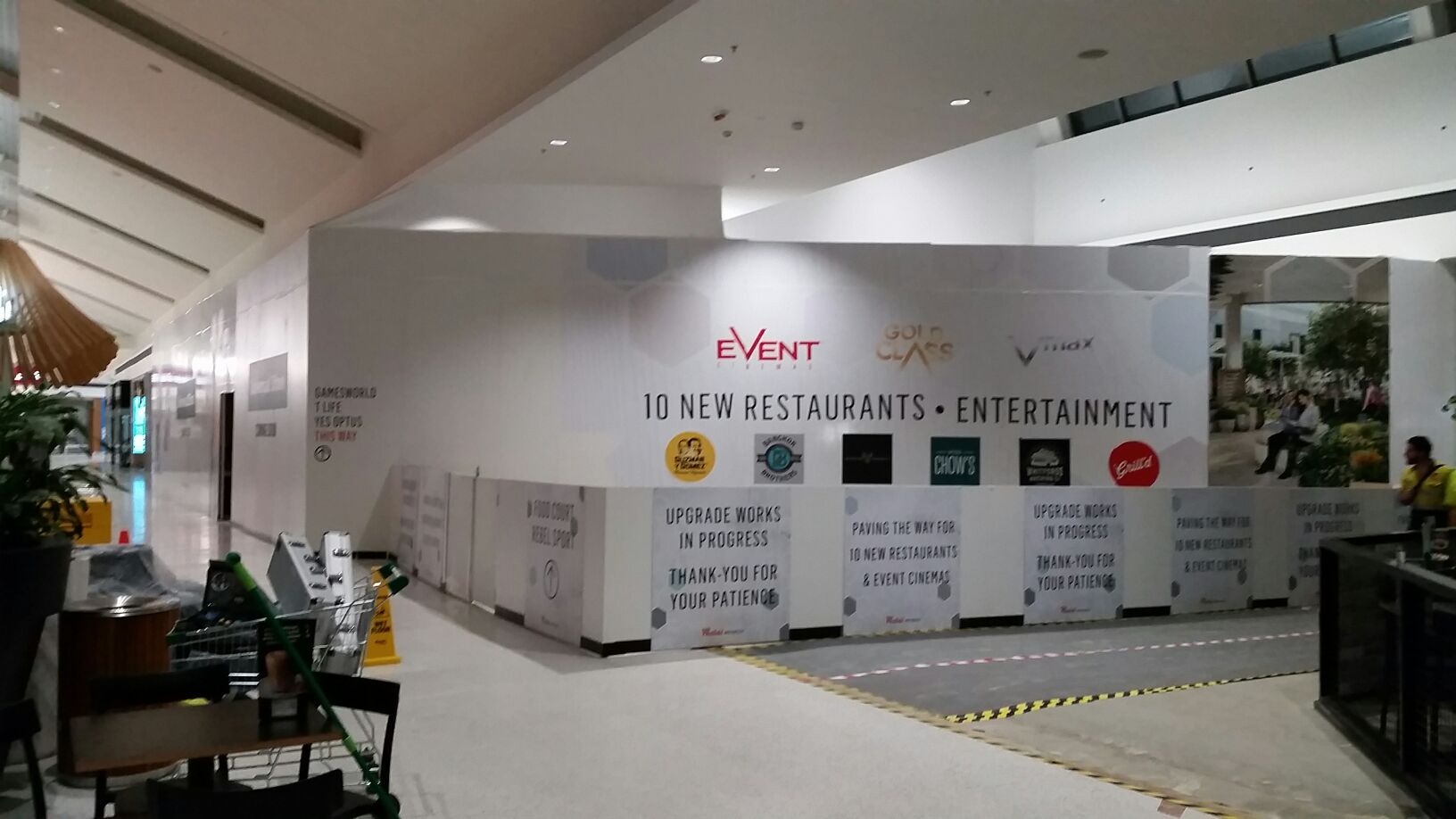
Hoarding Services in Perth Are Becoming More Strategic
Hoarding services in Perth used to be viewed as simple supply-and-install work. Put up some panels, secure the perimeter, move on.
That mindset has changed.
Now builders expect hoarding providers to understand pedestrian flow, retail operations, traffic exposure, staging requirements, and public presentation. The barrier itself is only part of the service. The planning behind it matters just as much.
Good hoarding systems reduce disruption. Bad ones create it.
That difference becomes obvious very quickly on active sites.
External and Internal Hoardings Work Best Together
The strongest construction setups rarely rely on one barrier system alone.
External hoardings protect the site boundary and public interface. Internal hoardings manage operational control within the construction zone itself. Temporary fencing may support early stages. Event walls may assist with presentation-heavy spaces.
Each system solves a different problem.
The real value comes from knowing when to use each one.