
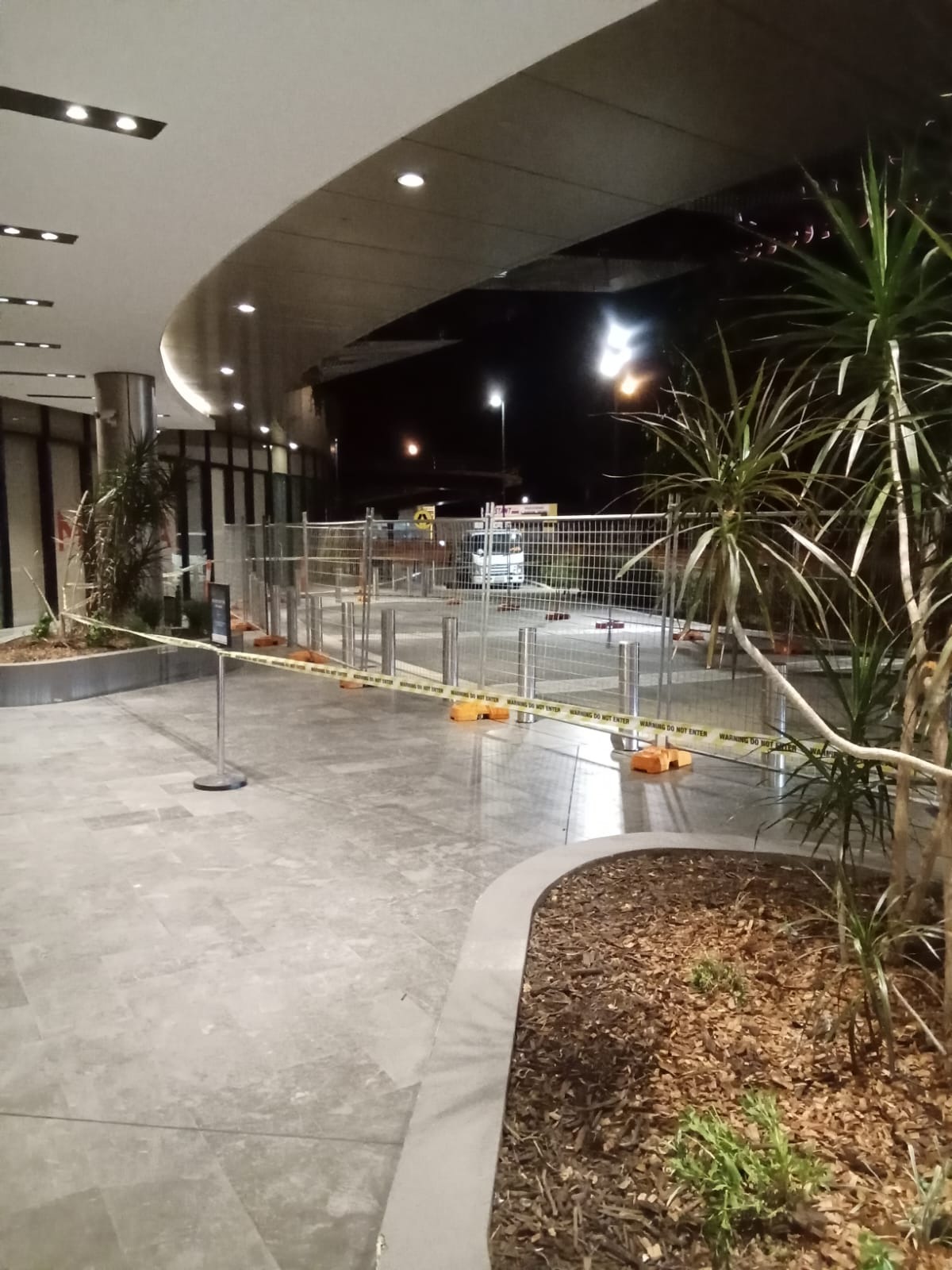
Temporary fencing for security is usually the first thing installed on a construction site and the last thing anyone thinks about until something goes wrong.
A missing panel. Trespassers overnight. Materials disappearing. Pedestrians walking into active work zones because the boundary looked unclear. Most site security problems start at the perimeter, which is why fencing decisions matter far more than many builders expect.
Across Perth construction projects, temporary fencing remains one of the fastest and most practical ways to establish immediate site control. But there is a catch most contractors eventually learn the hard way.
Temporary fencing is excellent at defining a boundary. It is not always enough to fully secure one.
Why Temporary Fencing Becomes the Default Starting Point
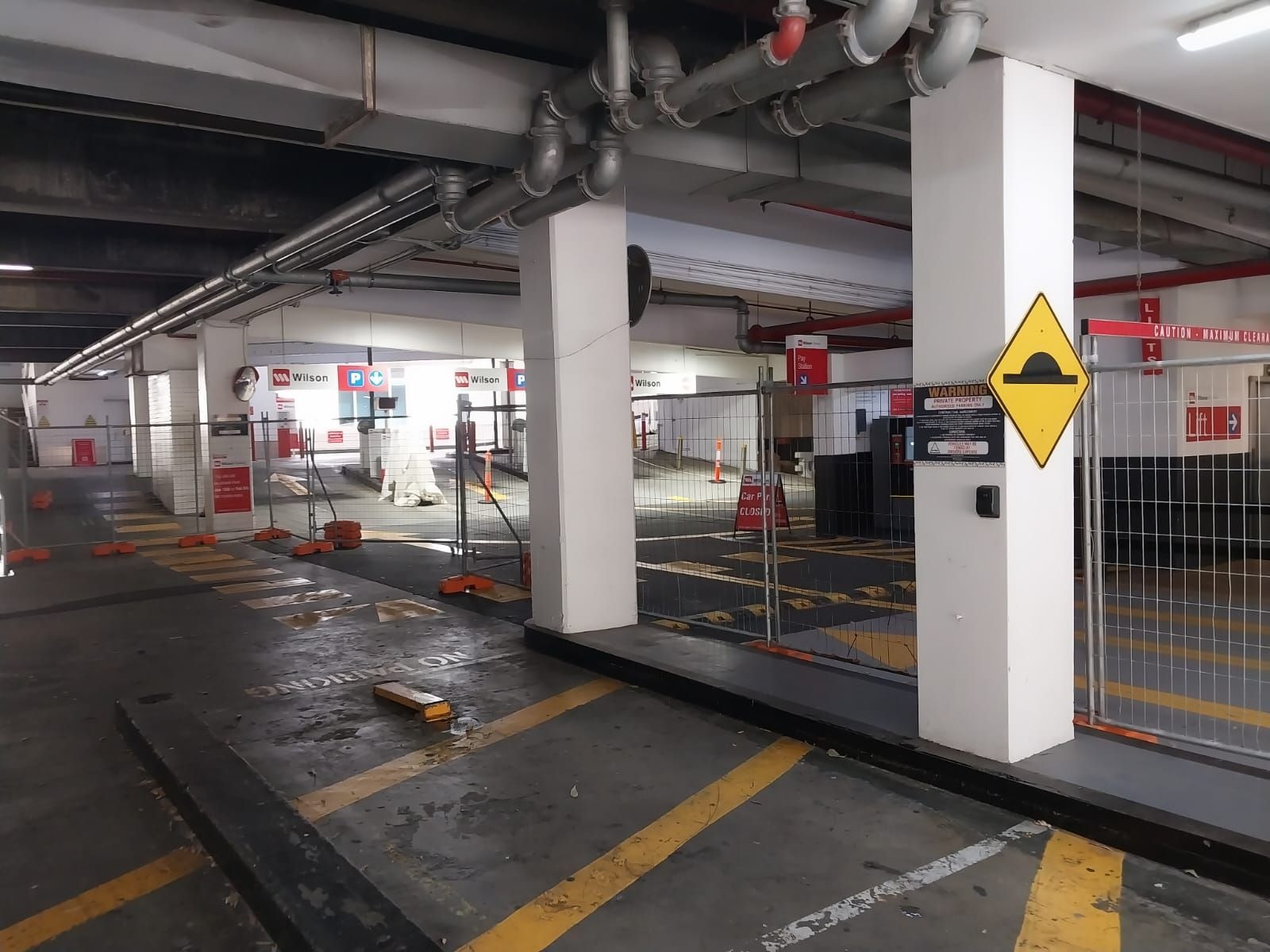
There is a reason temporary fencing appears on almost every Perth construction site during mobilisation.
It is fast to install. Easy to relocate. Flexible around changing site layouts. For demolition prep, material staging, or short-duration works, fencing creates instant separation between the public and the work zone without slowing the project down.
For builders trying to get a site operational quickly, that speed matters.
On lower-risk projects, temporary fencing may remain in place for the entire construction period. Smaller developments, service works, and isolated industrial projects often do not require anything more complex.
But projects exposed to heavy pedestrian traffic or public interaction usually evolve beyond fencing alone.
Security Problems Start When Public Exposure Increases
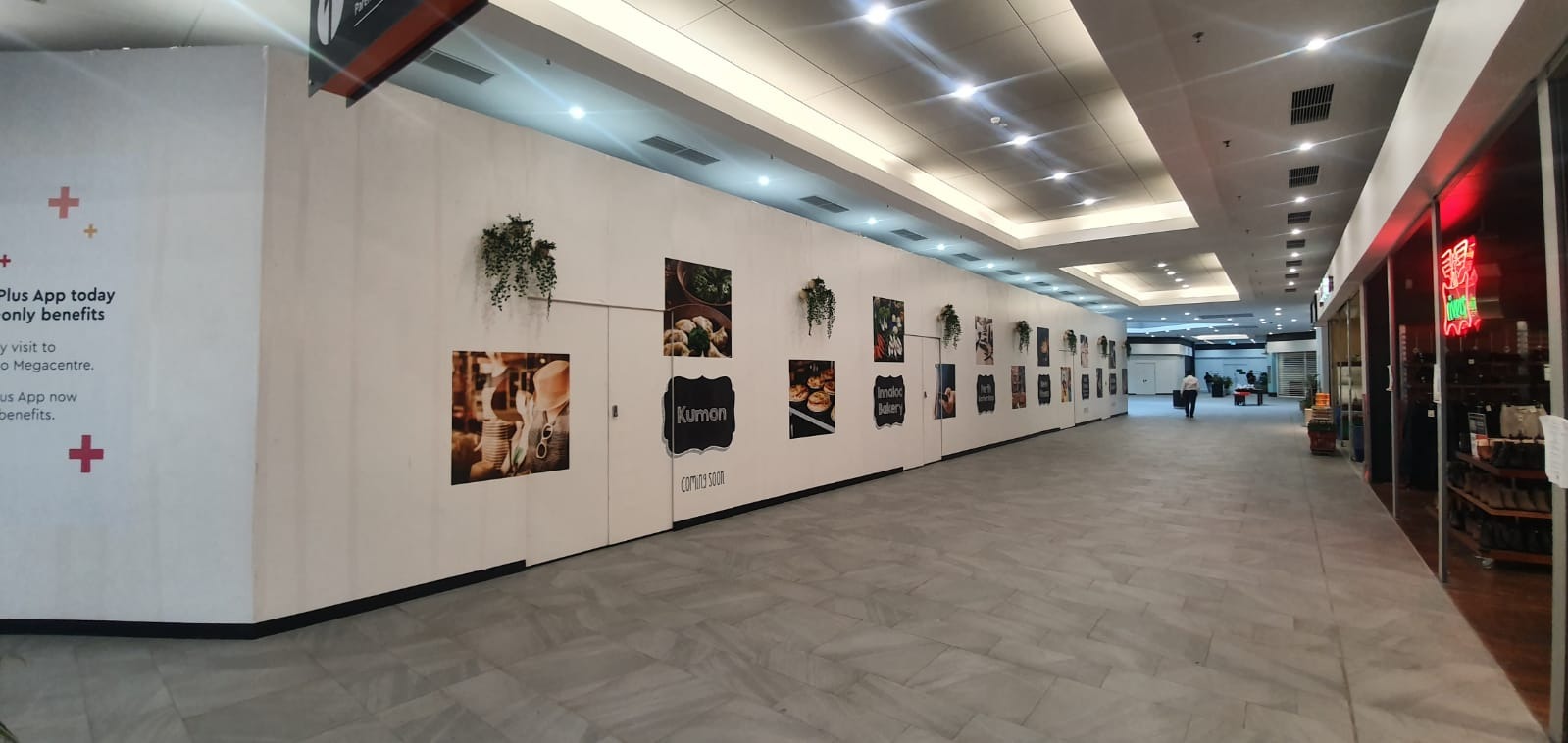
The moment a project moves into a busy retail strip, shopping centre, or CBD environment, the limitations of temporary fencing become obvious.
Mesh fencing allows full visibility into the site. Equipment remains exposed. Deliveries are visible from the street. Public curiosity increases because people can see everything happening inside the boundary.
Visibility creates attention. Attention creates risk.
This is one reason Perth builders working in high-traffic environments often transition from temporary fencing into construction hoardings once major works begin.
Solid hoarding systems create a psychological barrier as much as a physical one. They reduce visibility, discourage trespassing, and make the site feel controlled instead of exposed.
Construction Hoardings Change the Security Dynamic Completely
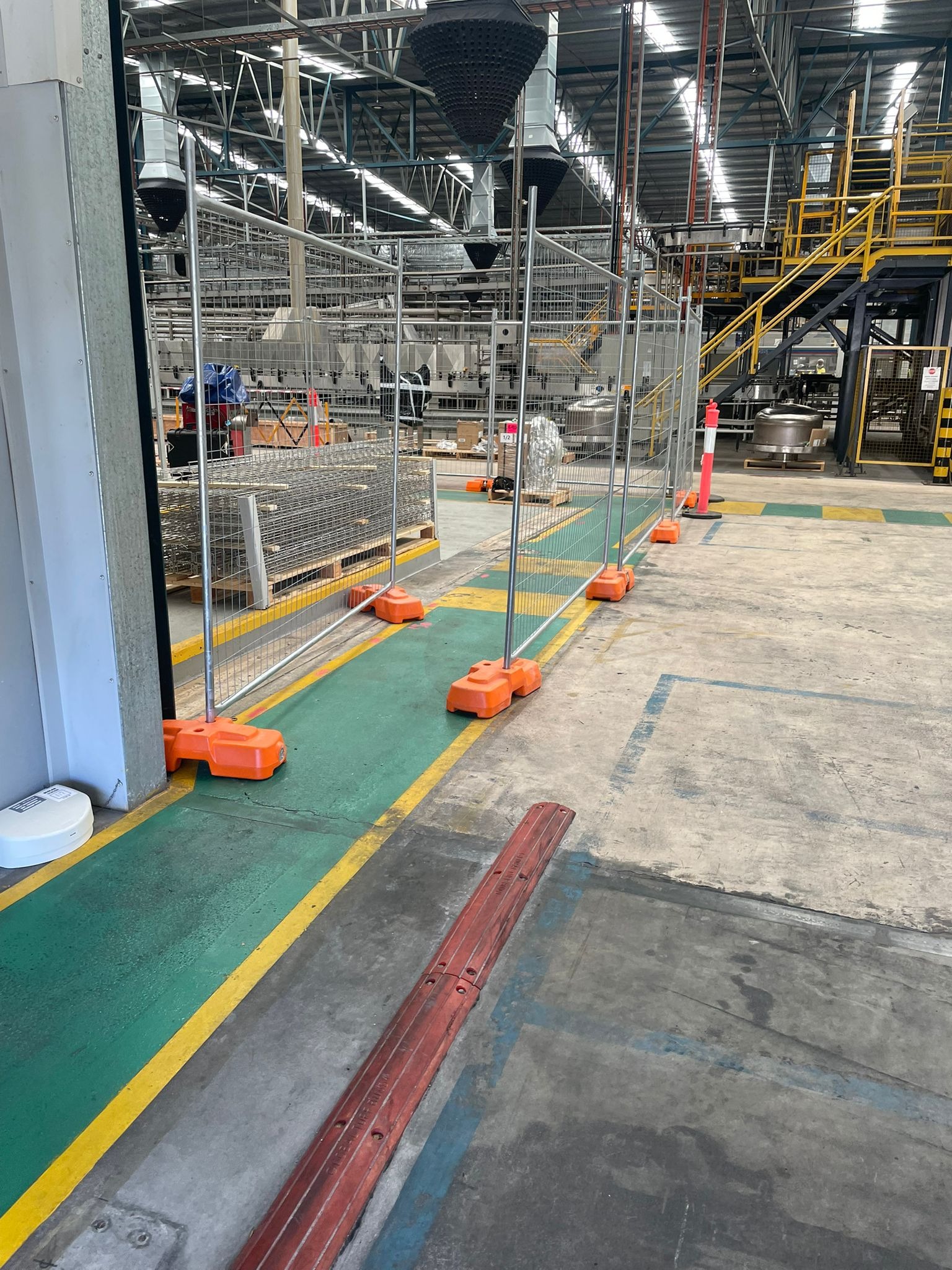
Construction hoardings operate differently from temporary fencing because they remove interaction points.
Pedestrians cannot easily look through them. Opportunistic theft becomes harder because materials and equipment are concealed. Noise, dust, and movement remain visually contained.
The site immediately appears more secure.
This shift matters particularly on long-term projects where tools, finishes, or high-value materials remain onsite overnight. Builders investing in stronger perimeter control often reduce security incidents simply because the site becomes less inviting to outsiders.
That alone can justify the upgrade.

The Difference Between Class A Hoardings and Class B Hoardings
Not all hoarding systems are designed for the same level of exposure.
Class A hoardings are generally used where construction activity occurs directly beside public access areas or where overhead protection is required. These systems are more robust and engineered for higher-risk environments.
Class B hoardings provide separation at ground level but are usually suited to lower-risk situations where pedestrian interaction is more controlled.
For Perth builders, selecting the wrong system often creates compliance issues later. Over-specifying increases costs unnecessarily. Under-specifying creates safety risks and potential delays.
The smartest projects match the hoarding system to the actual site exposure instead of treating every perimeter the same.
Retail Hoardings Require a Different Security Mindset
Retail hoardings are their own category entirely.
Shopping centres and commercial retail spaces operate under completely different expectations compared to open construction sites. Security still matters, but presentation matters almost as much.
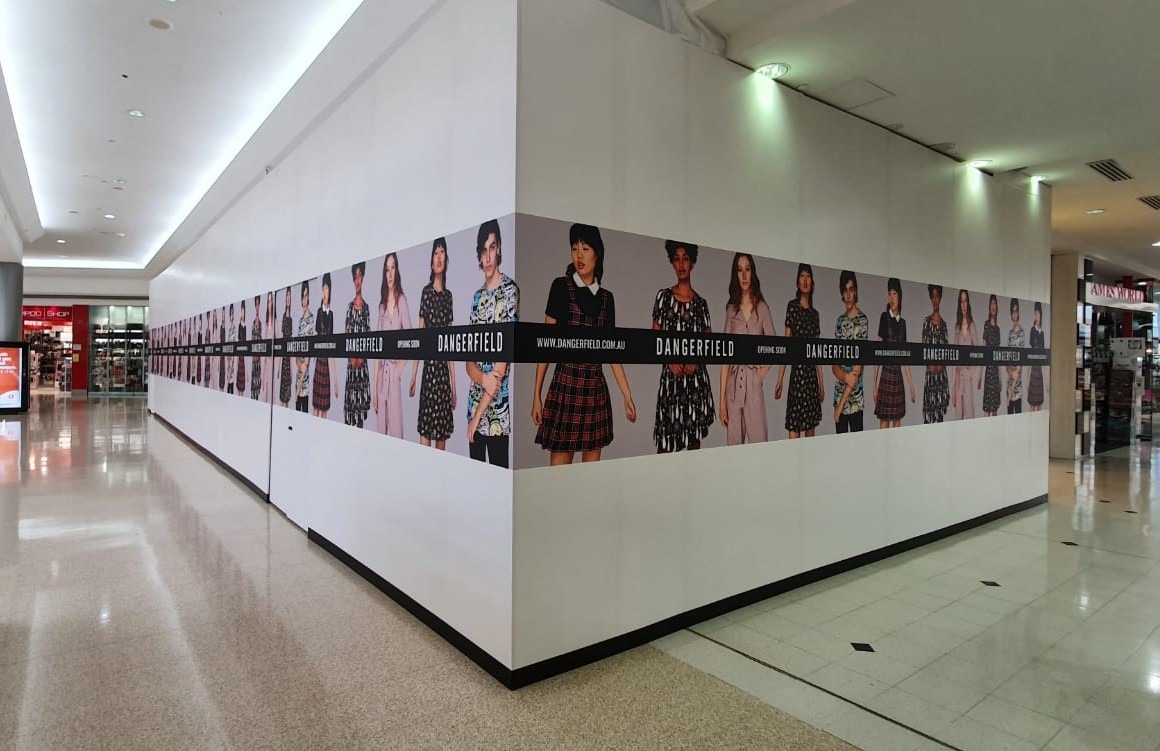
A retail hoarding system has to protect the public while still looking clean and professional. It cannot make customers feel unsafe walking nearby. At the same time, it must isolate dust, noise, tools, and worker access behind the barrier.
That balancing act is why retail hoardings tend to be more refined in appearance while still maintaining strict site separation.
Why Many Contractors Prefer Hoardings to Rent
Buying perimeter systems outright sounds practical until storage, transport, and maintenance start becoming operational problems.
That is one reason many Perth contractors now prefer hoardings to rent instead. Projects change constantly. A site requiring temporary fencing during early works may need Class A hoardings several weeks later. Then part of the perimeter changes again during fit-out stages.
Rental systems give builders flexibility without locking them into one setup for every project.
It also means the systems are maintained, compliant, and ready for deployment when timelines tighten unexpectedly.
Security Is Really About Site Control
The interesting thing about temporary fencing for security is that the fencing itself is only part of the equation.
Real site security comes from control.
Control over visibility. Control over pedestrian movement. Control over access points. Control over how the public interacts with the site boundary.
Sometimes, temporary fencing is enough. Sometimes it is not even close.
The best Perth construction sites understand that difference early and build their perimeter strategy around the actual risks instead of the cheapest short-term solution.