

Knowing how to assemble hoardings and temporary fencing properly is essential for keeping Perth construction sites safe, organised, and compliant. These systems are more than simple barriers. They control access, protect pedestrians, secure valuable materials, and create a clear separation between active work zones and the public.
A poorly installed perimeter can create unnecessary risks. Panels can shift, access points can become unsafe, and the site may fail basic safety expectations. A properly planned setup gives builders better control from the first day of work.
Start With Site Planning Before Installation
The biggest mistake teams make is treating installation as a physical task only. The process actually starts with understanding the site.
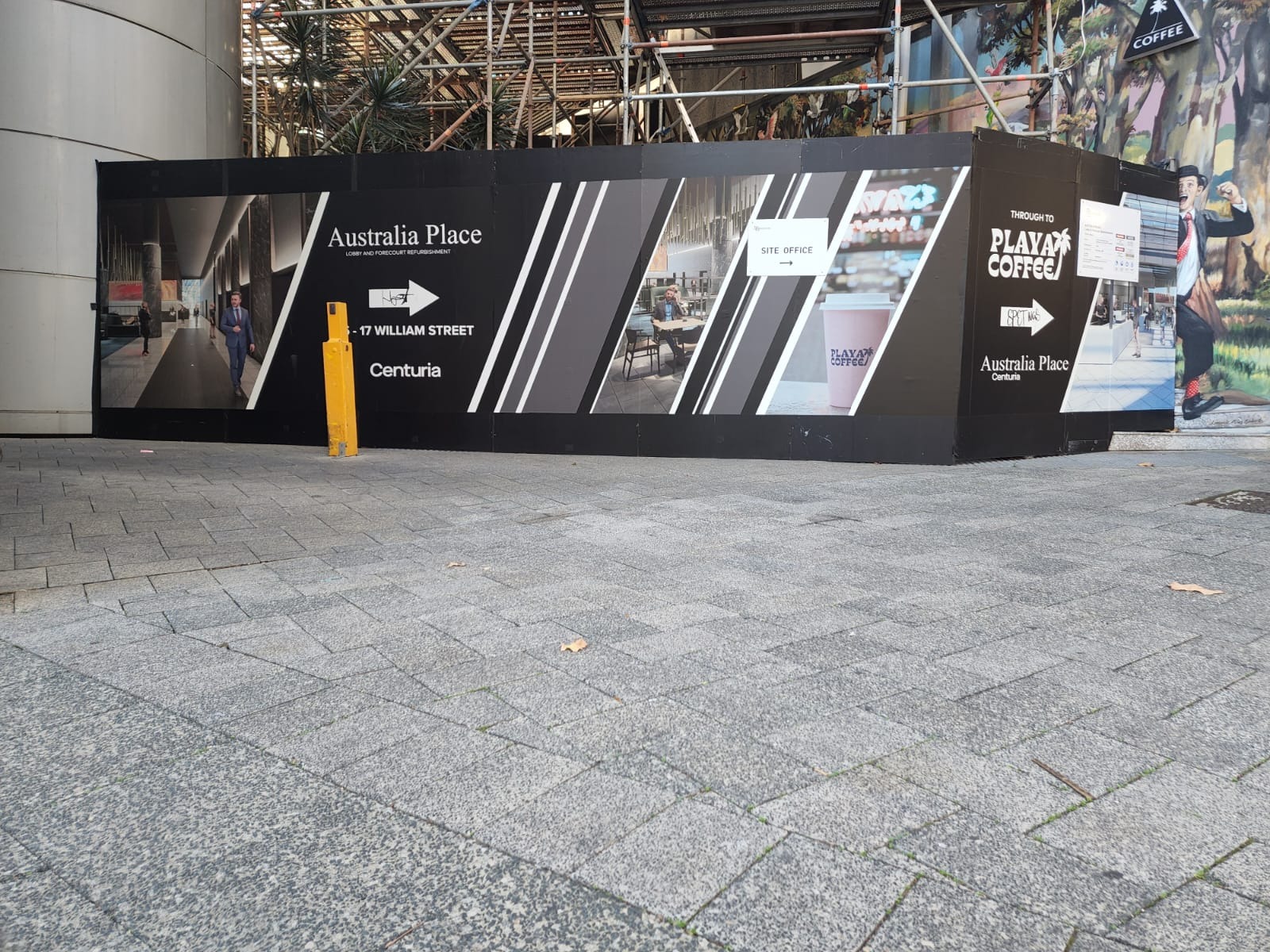
Before assembling any fencing or hoarding system, contractors need to identify pedestrian routes, vehicle movements, entry points, emergency access areas, and surrounding businesses. These factors determine where barriers should be positioned and what type of system is suitable.
A small renovation may only require temporary fencing, while a high-exposure commercial project may need construction hoardings with stronger protection.
Preparing the Ground and Layout
A stable perimeter begins with a stable foundation.
The installation area should be cleared of loose materials, uneven surfaces, and obstructions that could affect panel stability. The planned layout should follow the site boundary while allowing enough space for deliveries, machinery, and worker movement.
Temporary fencing is often installed first during early mobilisation because it can be adjusted quickly as the site changes. Once construction activity increases, builders may upgrade sections to more secure hoarding systems.
Assembling Temporary Fencing Correctly
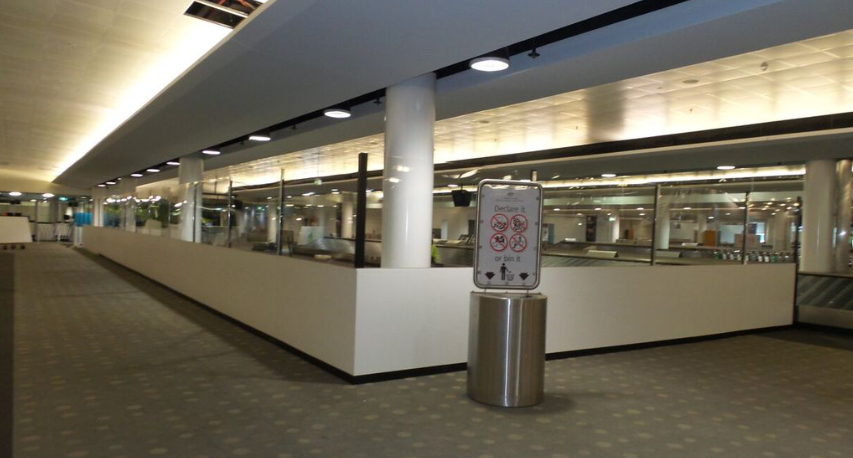
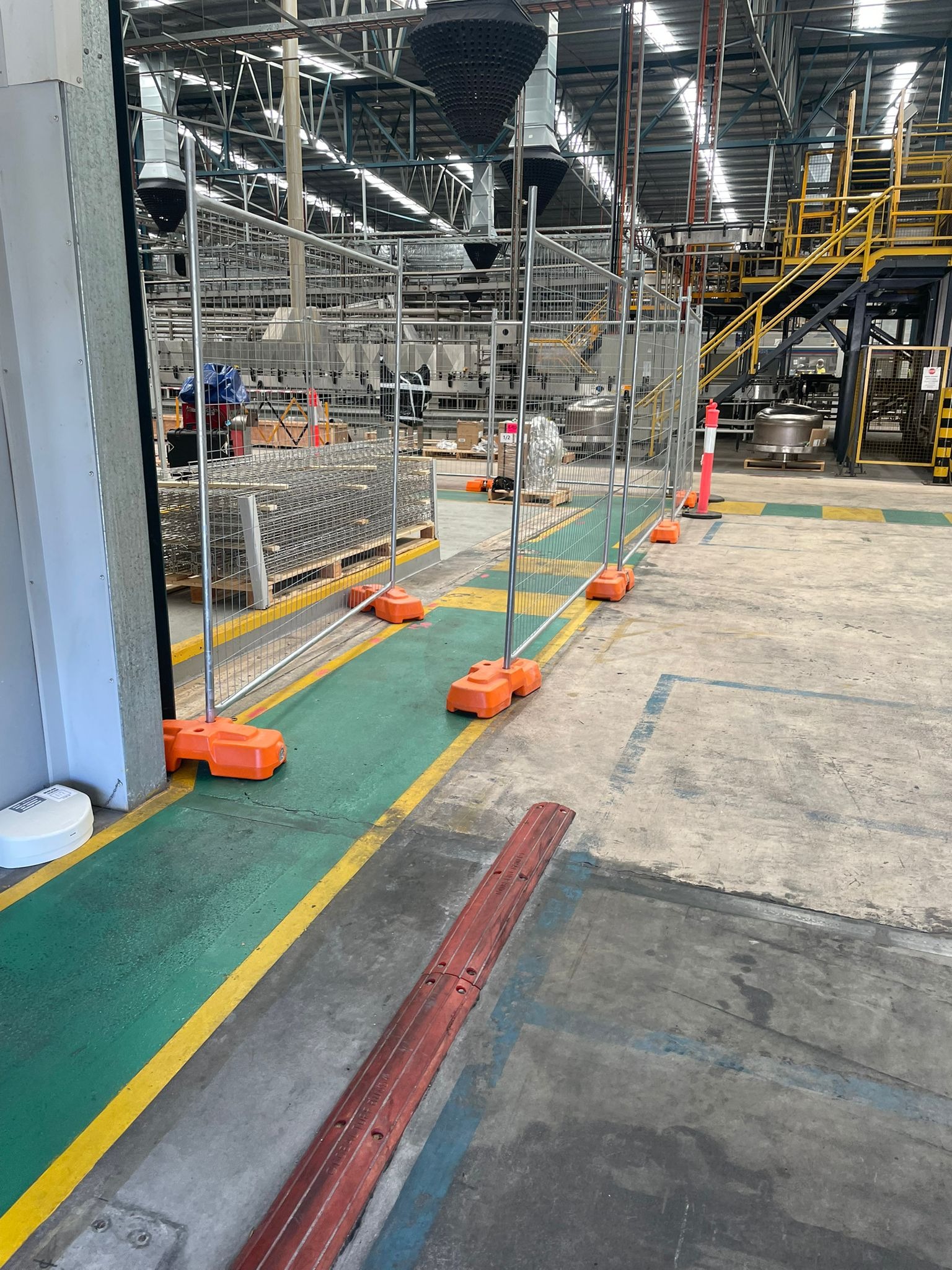
Temporary fencing usually consists of modular panels, feet, clamps, and support accessories. The panels are connected to create a continuous barrier around the work zone.
The important part is maintaining stability.
Panels should be aligned properly, secured tightly, and checked for movement. Gaps between panels reduce security and allow unauthorised access. On windy Perth sites, additional support may be required to prevent movement.
Temporary fencing works well for short-term control, but it is not designed to replace full construction hoardings where public exposure is high.

Installing Construction Hoardings for Stronger Protection
Construction hoardings require a more controlled installation process because they provide a stronger physical separation.
Hoarding panels are fixed into a supporting structure to create a solid barrier. Each panel must be aligned correctly to prevent gaps, instability, or weak points.
For projects near public footpaths or busy commercial areas, the installation must consider pedestrian safety. The final system should prevent public access while allowing workers to operate efficiently behind the barrier.
Understanding Class A and Class B Hoarding Systems
The type of hoarding required depends on the project risk.
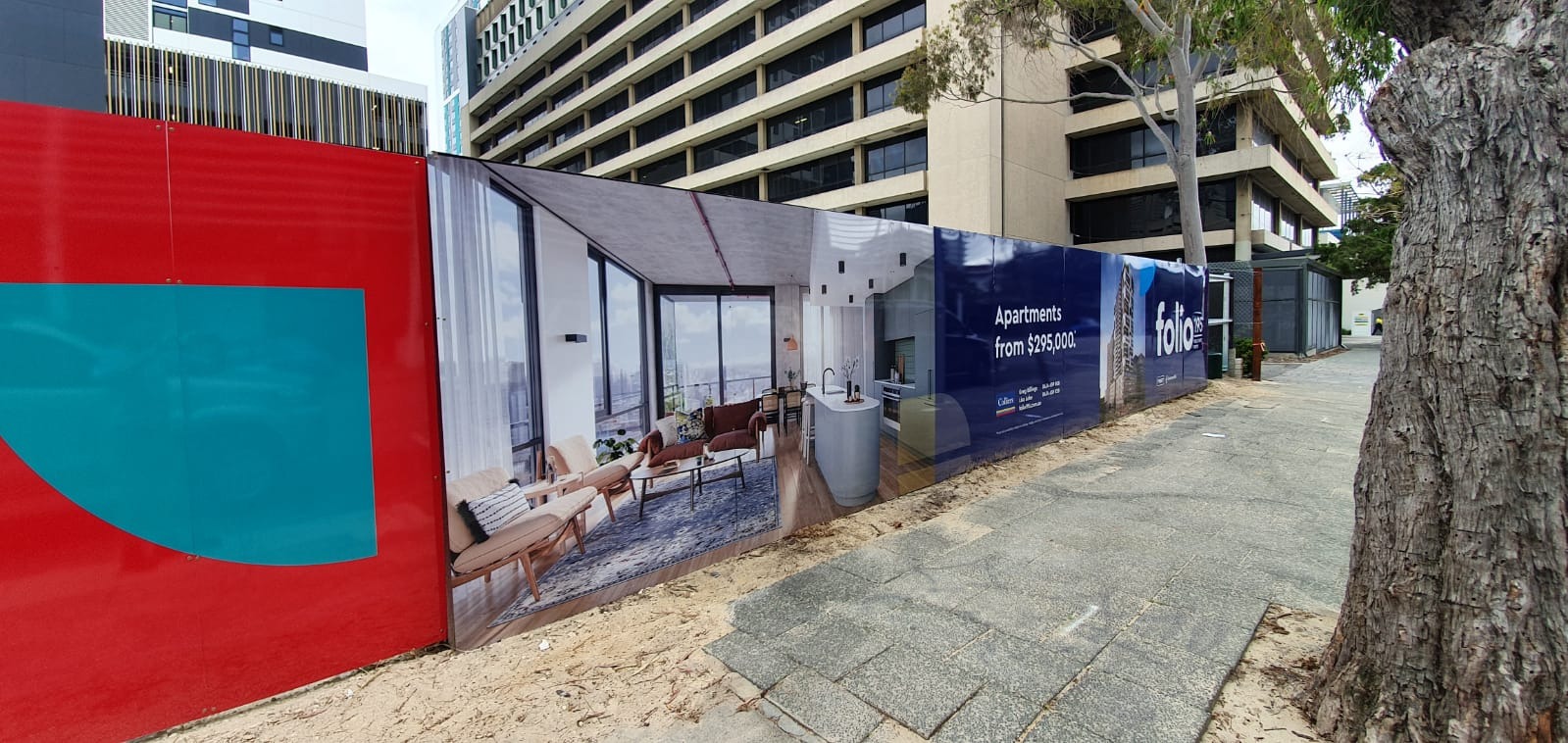
Class A hoardings are generally used in higher-risk areas where public access is close to construction activity. They are designed for stronger protection requirements, especially where overhead hazards or increased exposure exist.
Class B hoardings are commonly used for ground-level separation where the risk profile is lower. They still provide a secure boundary but may not require the same level of protection as Class A systems.
Choosing the wrong type can create problems during inspections, so the hoarding system should match the actual site conditions.
Creating Safe Access Points
Every hoarding and fencing setup needs controlled entry points.
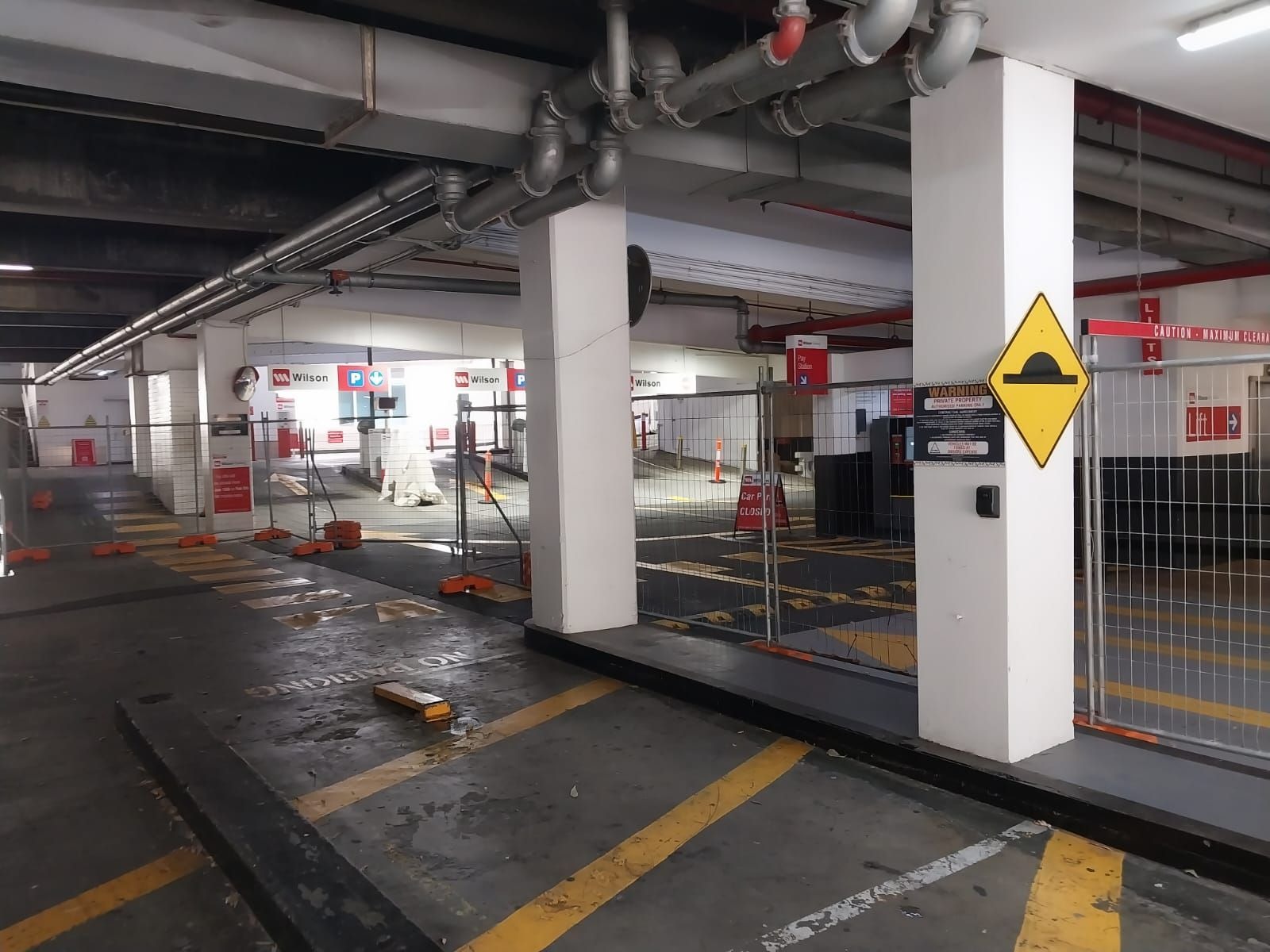
Access gates should be positioned where workers can enter easily without interfering with pedestrians or vehicle movement. They should also remain secure when the site is unattended.
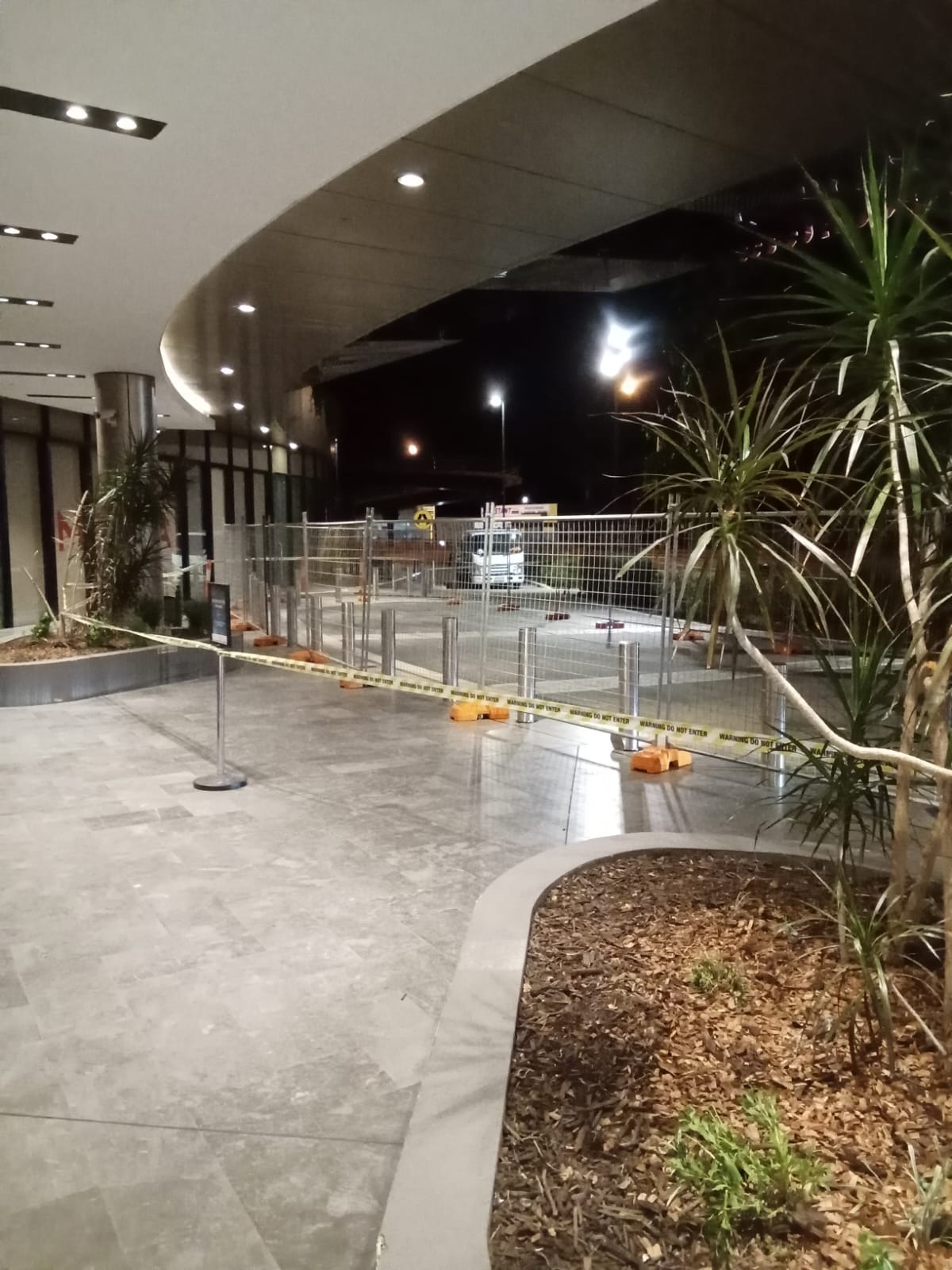
For retail projects, entry points are especially important because construction often happens beside operating businesses. Retail hoardings need to protect customers while allowing trades to move materials in and out efficiently.
When to Use Hoardings Instead of Temporary Fencing
Temporary fencing is useful, but it has limits.
If a project involves demolition, heavy machinery, long construction periods, or public-facing works, solid construction hoardings usually provide better control. They reduce visibility, contain dust better, and create a more professional appearance.
This is common in Perth shopping centres, commercial developments, and retail upgrades where public interaction is constant.
Renting Hoarding Systems for Flexible Projects
Many contractors choose hoardings to rent because project requirements change throughout the build.
A site might begin with temporary fencing, move into construction hoardings, and later require retail hoardings during the final fit-out phase. Renting allows builders to adjust without purchasing and storing different systems.
It also helps ensure the installed barriers are maintained and suitable for the current stage of construction.
Why Proper Assembly Matters
The perimeter is the first thing people interact with when they approach a construction site. It influences safety, security, and the overall professionalism of the project.
Correctly assembled hoardings and temporary fencing reduce risks before they become problems. They keep workers protected, help maintain compliance, and allow construction to progress without unnecessary interruptions.
A strong boundary is not just something around the site. It is part of the site management plan itself.
FAQ
What is the difference between temporary fencing and construction hoardings?
Temporary fencing provides quick boundary control, while construction hoardings offer stronger protection, privacy, and better separation from public areas.
Are Class A hoardings stronger than Class B hoardings?
Class A hoardings are generally used for higher-risk environments requiring greater public protection, while Class B systems suit lower-risk separation needs.
Can retail hoardings be used while shops remain open?
Yes. Retail hoardings are designed to separate construction areas from customers while allowing nearby businesses to continue operating.
How long does it take to assemble hoardings and fencing?
The installation time depends on site size, system type, access requirements, and project conditions.
Are hoardings to rent suitable for long construction projects?
Yes. Rental hoarding systems provide flexibility for projects where layouts and protection requirements change over time.