
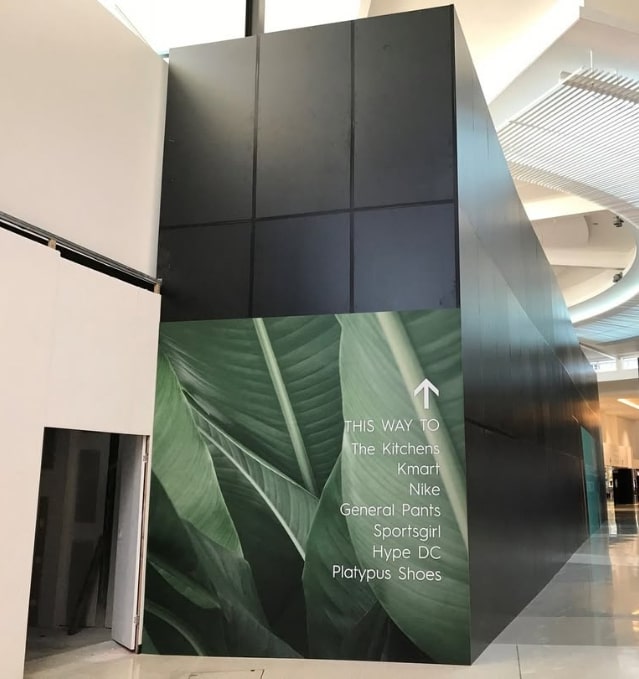
Whether you’re managing a fast-paced construction site, hosting a public event, or protecting a vacant property, one thing is non-negotiable—site security and safety. These elements are often taken for granted until something goes wrong. This is why Temporary Fence Hire has evolved into a cornerstone of modern site management—blending practical function with legal necessity.
Why Temporary Fence Hire Is More Than a Quick Fix
At its most basic, temporary fencing is a portable and modular barrier system designed to define boundaries, restrict unauthorised access, and enhance safety on a temporary basis. But its impact is anything but temporary. From a compliance standpoint to everyday safety and theft prevention, temporary fencing is a proactive investment in operational success.
Think of it as the seatbelt of your site—unassuming yet essential. You may not think about it often, but when an accident happens, you’ll be glad it’s there.
Data from Safe Work Australia shows that construction is among the most hazardous industries, with 24 recorded worker fatalities in 2023. Many of these were preventable incidents involving public entry into restricted zones or insufficiently secured worksites. By using compliant temporary fencing solutions, site managers reduce both legal exposure and personal injury risks.

Where Temporary Fence Hire Makes a Difference
The applications of Temporary Fence Hire are varied and strategic. Let’s explore where it really shines:
Construction Sites
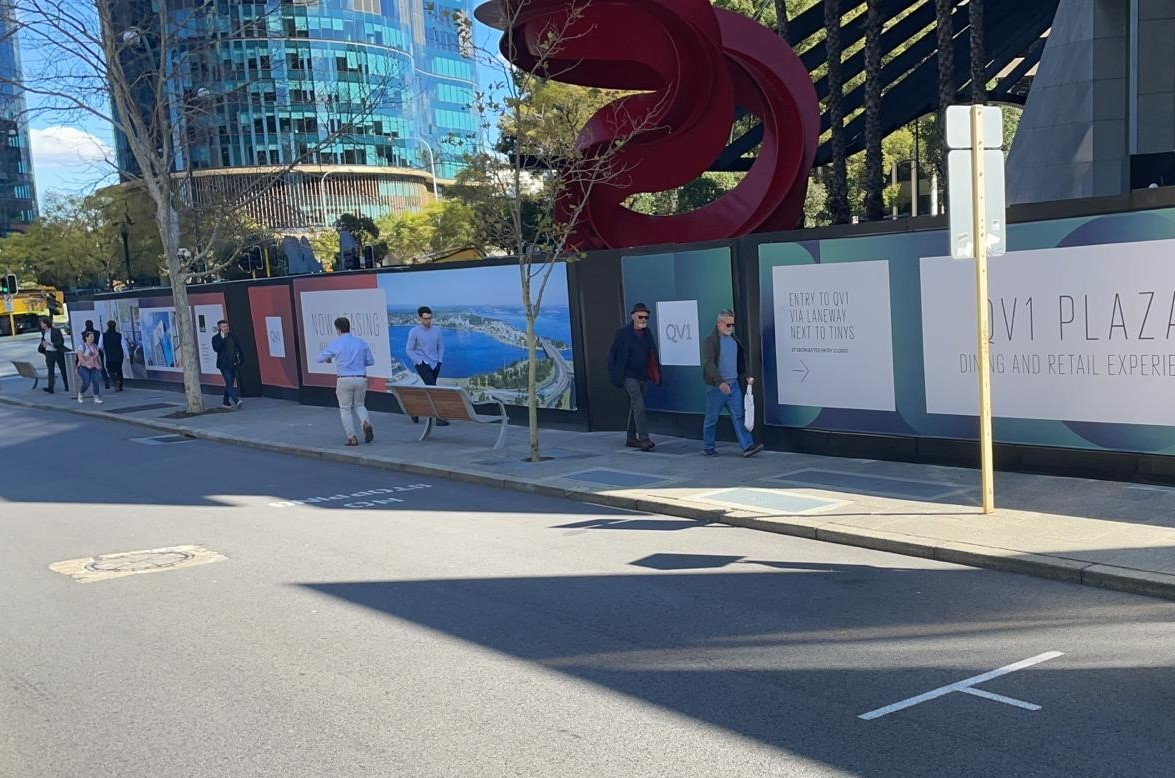
Temporary fencing is a legal requirement on construction sites across Australia to ensure public safety and site security. Under AS 4687.2:2022, temporary fencing must be a minimum of 1.8 metres in height, incorporate anti-climb features, and be structurally stable under wind loads and site conditions. Construction hoardings, classified as high-strength barriers under the standard, are commonly used for long-term or high-profile projects. They provide enhanced privacy, safety, and durability, particularly in high-traffic or urban environments where protection from both environmental exposure and public access is essential.
Take the Brisbane Metro project as an example—temporary fence hire and solid hoarding panels were integral in separating public walkways from high-risk zones, ensuring the safety of thousands of daily commuters.
Public Events and Festivals
Large-scale events require robust planning for crowd control, safety, and traffic flow. Temporary fencing offers a scalable solution. Whether it’s an outdoor concert, cultural festival, or sporting event, the right fencing system helps maintain order and protect both patrons and infrastructure. Event hoardings, often with branded mesh or shade cloth, are used not only to guide attendees but also to provide marketing visibility.
Residential and Commercial Property Protection
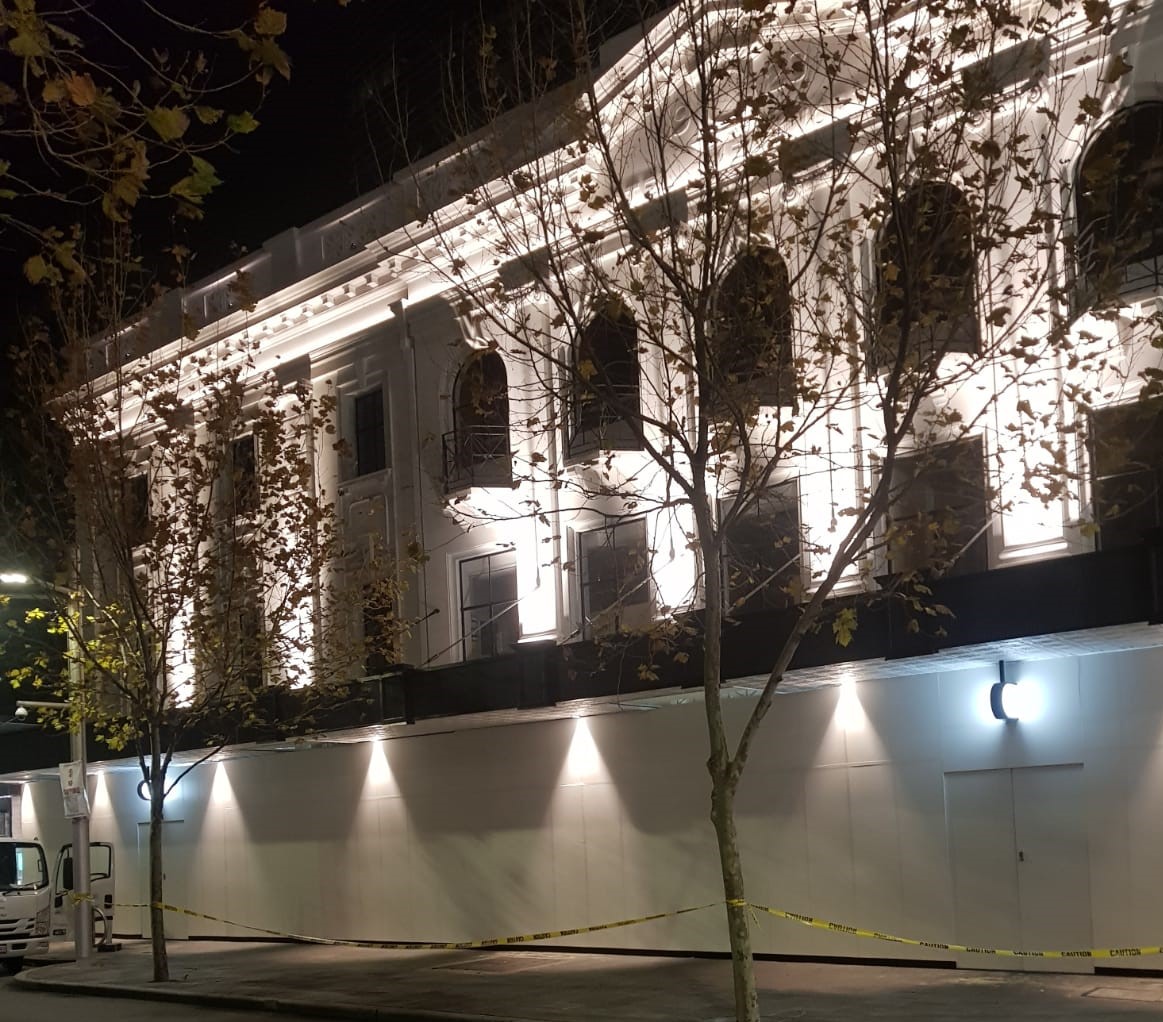
Vacant lots, renovation zones, and demolition sites are prime targets for theft and vandalism. Temporary fencing can act as a deterrent, limiting unauthorised access and giving property owners peace of mind. In high-traffic areas like Brisbane and the Gold Coast, it’s common practice to use fencing panels with added bracing to withstand strong winds and potential tampering.

Choosing the Right Temporary Fence Hire Provider
Not all fencing providers are created equal. Here’s what sets a reliable partner apart:
- Compliance with Australian Standards: Ensure they meet AS 4687-2007 requirements and supply fully engineered solutions for wind loading and structural integrity.
- Timely Installation: Construction delays are costly. Opt for providers who offer guaranteed delivery and installation timeframes.
- Support and Maintenance: Temporary fences can be damaged by wind, vehicles, or vandalism. Does the provider offer same-day repairs or panel replacement?
Think of your fencing supplier like your site’s silent partner—reliable, responsive, and committed to your success.
Complexities and Industry Trends
The field of Temporary Fence Hire isn’t without its challenges or debates. One ongoing issue is wind management. When privacy screens or branding cloths are added, fences face significantly higher wind resistance. This necessitates the use of stabilisers, fence bracing systems, or even ballast weights, all of which must be carefully engineered to ensure stability.
There’s also a rising demand for eco-conscious fencing solutions. Some companies now provide reusable or recycled materials, reducing landfill waste. Others are experimenting with smart fencing technologies—embedding motion sensors and GPS trackers into panels to alert site managers of security breaches in real time.
Meanwhile, construction hoardings are also seeing innovation. Modular hoarding systems now come with built-in lighting, acoustic panels to reduce noise pollution, and even digital message boards for public safety announcements.
A Measured Perspective on Temporary Fence Hire
While Temporary Fence Hire may not sound like the most glamorous part of project planning, it’s one of the most impactful. Beyond its immediate role in physical safety and site control, it also plays a critical role in legal compliance, brand perception, and operational efficiency.
It’s easy to overlook temporary fencing in the early stages of a project, but doing so can lead to delays, fines, and unnecessary risks. By choosing the right provider and understanding the specific needs of your site—whether you need simple mesh fencing, construction hoardings, or branded event barriers—you set the foundation for a smoother, safer operation.
Looking Ahead: What to Expect
The future of Temporary Fence Hire is likely to evolve alongside trends in urban planning, sustainability, and digital integration. We’re already seeing projects use fencing not just for security but as platforms for advertising, data collection, and community messaging.
For developers, builders, and event organisers, the takeaway is simple: treat fencing as an asset, not an afterthought. By making informed decisions today, you’re protecting your people, your property, and your project’s future.
Next time you’re planning a site or event, remember—good fences don’t just make good neighbours. They make great projects.